
Best Macro Lenses for Photographers: Our top Picks Across all Major Mounts

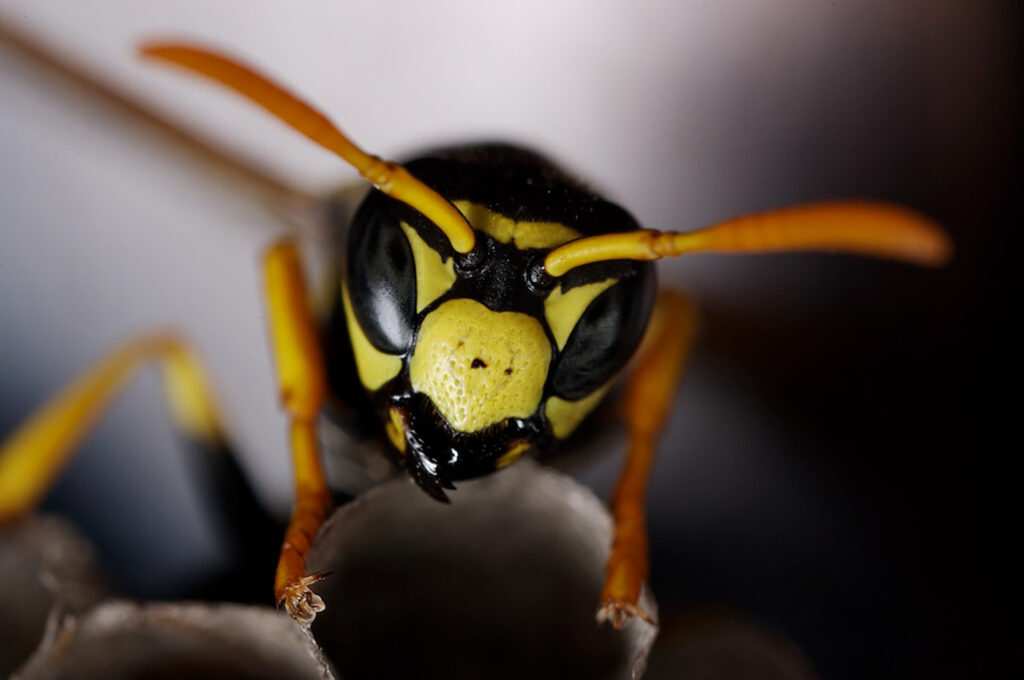
Table of Contents
 Our Picks
By David Schloss, Editor-in-Chief and the Imaging Resource Staff
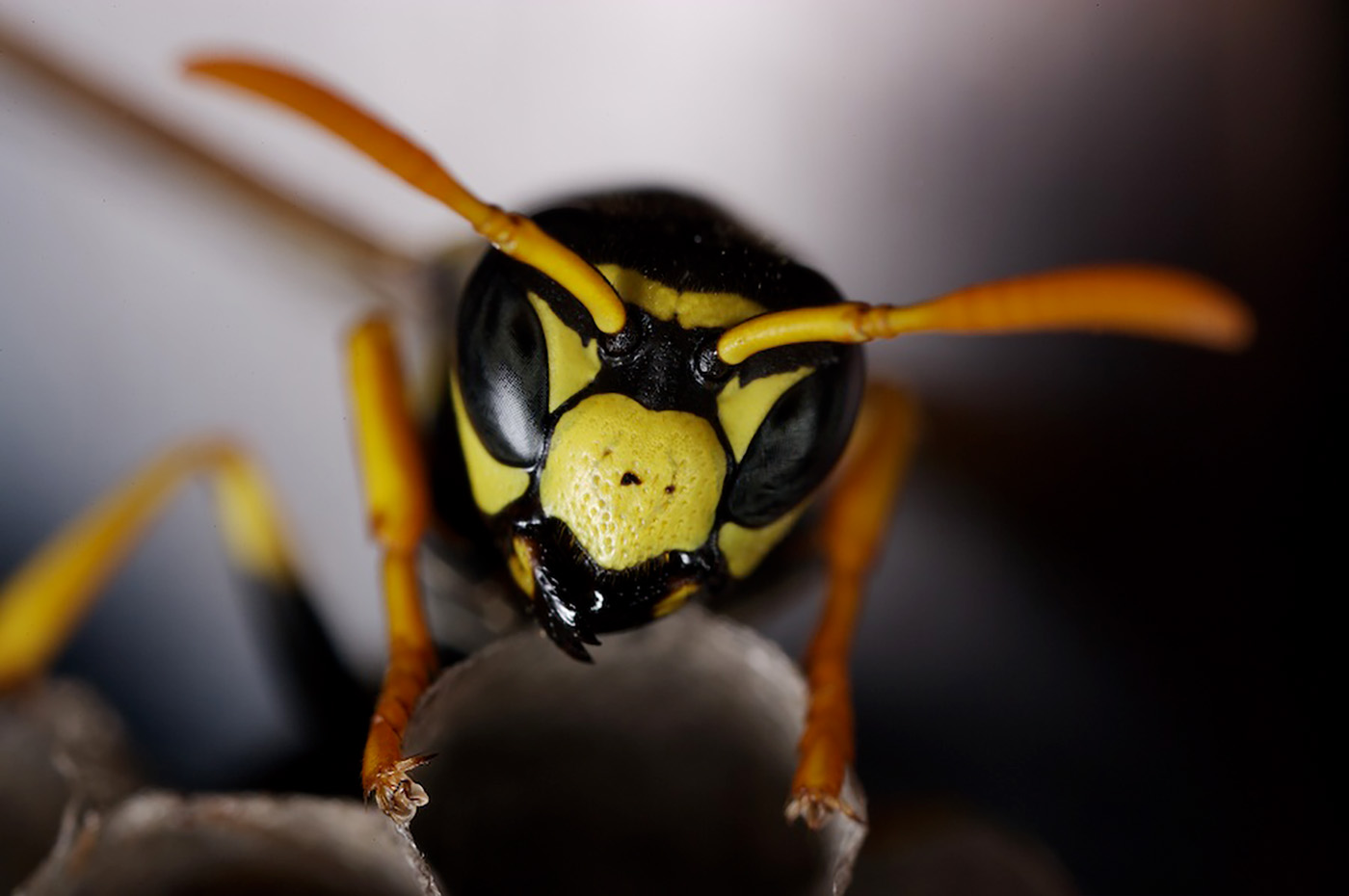
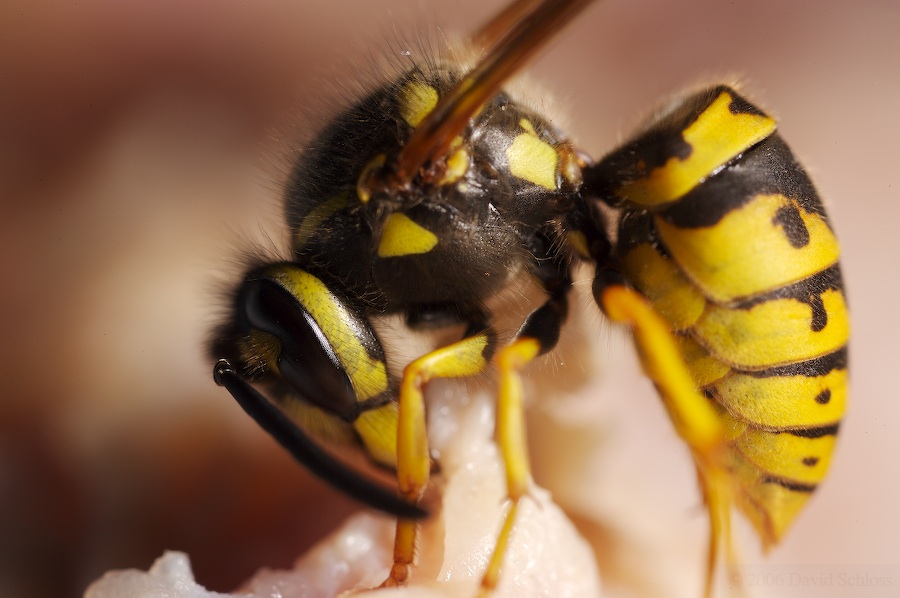
A macro lens provides a new way to look at the world. When you’re so close to a tiny subject, you start to see details that are invisible to the naked eye. Insects look like they’re from Star Wars, flowers have intricate parts, and the colors are more prominent. Even everyday things like a key or a spiderweb take on a new look.
Macro lenses are specialized so that they magnify the world without adding distortion. Most telephoto lenses have a focal length of 80mm or longer, which allows them to do double duty as a portrait lens.
This guide helps you pick the right macro lens for your system without wasting time sorting through dozens of similar-looking options. We chose lenses that consistently deliver sharp detail, smooth focus handling, and reliable performance across Canon RF, Nikon Z, Sony E, Fujifilm X, Micro Four Thirds, and L-Mount. And because macro photography can be demanding, we highlight the strengths and trade-offs you should expect before buying.
Why Trust Us
At Imaging Resource, we’ve been testing macro lenses since the earliest digital systems. While we haven’t tried every lens in this roundup, we’ve tested the majority of them. For lenses that we haven’t had hands-on time with, we consulted with our network of photographers for their recommendations. These are tried-and-true lenses that are used daily to make some of the best macro images out there.
We never accept payment to include products in our buyer’s guides. While affiliate links help support Imaging Resource, our recommendations always come from real-world experience and editorial judgment — not commissions.
Our Picks
This guide highlights the strongest macro lenses across each major mount. Macro photography depends heavily on magnification, working distance, stabilization, and optical clarity. The lenses selected here consistently deliver reliable performance in real-world close-up shooting, from product photography to insects and fine-detail textures.
Canon’s RF 100mm f/2.8L Macro IS USM leads the pack with its extended 1.4x magnification and close-range stabilization, making it one of the most flexible macro options for full-frame shooters. Nikon’s Z MC 105mm f/2.8 VR S remains the benchmark in the Z system thanks to its long working distance, vibration reduction, and consistently sharp S-line optics. Sony’s FE 100mm f/2.8 Macro GM OSS brings 1.4x magnification and optical stabilization to E-mount, offering close-up capability that goes beyond traditional one-to-one.
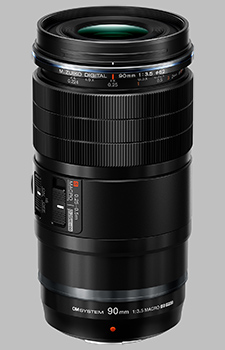
For Fujifilm users, the XF 80mm f/2.8 R LM OIS WR Macro provides true one-to-one reproduction, optical stabilization, and weather sealing, making it the strongest APS-C macro in the system. Micro Four Thirds shooters get the highest-magnification autofocus option available with the OM System 90mm f/3.5 Macro IS PRO, which delivers 2x life reproduction and has in-lens stabilization. And for L-mount, Sigma’s 105mm f/2.8 DG DN Macro Art combines strong optical consistency with a comfortable working distance, making it the most balanced all-around macro choice for Panasonic, Leica, and Sigma bodies.
Our Picks at a Glance
Canon RF

The Canon RF 100mm f/2.8L Macro IS USM is a full-frame macro lens offering 1.4-times magnification. Hybrid Image Stabilization helps control motion at close distances. Weather sealing and L-series optics make it suitable for outdoor and studio macro work.
- 1.4× magnification provides more reach than standard 1× macros
- Hybrid IS helps stabilize close-range handheld work
- Weather-sealed build for outdoor macro shooting
- Consistent sharpness across the frame.
- Focus shift can appear at certain distances
- Larger and heavier than many competing 100mm macros
- Not the quietest AF at very close focus distances
- Magnification: 1.4 times
- Minimum Focus Distance: 0.26 meters
- Stabilization: Hybrid Image Stabilization
- Weight: 730 grams
I’ve shot with the Canon RF 100mm f/2.8. It’s the most capable all-around macro lens in Canon’s system because it goes past the traditional 1× limit, and is still a great portrait lens. Being able to shoot at 1.4× magnification gives you more room to work with smaller subjects without needing adapters or diopters, and the Hybrid IS actually very useful when shooting handheld at very close distances. It also transitions well outside strict macro shooting — the working distance and rendering make it a solid choice for product photography and controlled studio setups.

The Laowa 100mm f/2.8 provides two-times life-size magnification for extremely small subjects. Its apochromatic design reduces chromatic aberration at close range. Manual focus enables precise adjustments for controlled macro shooting.
- True 2× magnification without accessories
- Apochromatic optics reduce fringing at close focus
- Good working distance for a 2× lens
- Solid build with minimal focus breathing
- Manual-focus only
- No weather sealing
- No image stabilization
- Can be challenging handheld at 2×
- Magnification: 2x
- Minimum Focus Distance: 0.25 meters
- Stabilization: None
- Weight: 638 grams
This lens is one of a handful of third-party lenses for Canon, and it’s a great macro lens as long as you don’t need to rely on autofocus. Since so many macro photographers change focus by moving the camera, the lack of autofocus is less of a problem than, say, in a portrait lens. This great lens is available for several mounts, and while it’s one of the oldest lenses in this guide, it holds up incredibly well against newer glass.
Nikon Z

The Nikon Z MC 105mm f/2.8 VR S delivers consistent sharpness across the frame. Its 105‑millimeter focal length provides a useful working distance for insects and product photography. Vibration Reduction improves handheld stability during macro shooting.
- High optical quality
- Strong macro performance
- Useful working distance
- Reduced autofocus speed at close range
- Limited stabilization on some models
- Working distance challenges at higher magnifications
- Magnification: One times
- Minimum Focus Distance: 0.29 meters
- Stabilization: Vibration Reduction
- Weight: 630 grams
The Z MC 105mm f/2.8 VR S is Nikon’s most consistent macro performer, offering strong optics, a useful working distance, and stabilization that makes handheld macro more realistic. At 1× magnification, the lens maintains clarity from edge to edge, which is a big deal when you’re shooting small subjects with complex textures.
The S-line coatings help keep contrast stable even in patchy natural light.
When not shooting macro images, the lens is a good (but not amazing) short telephoto lens. Autofocus performance for non-macro shots is good, but again not on the level of Nikon’s portrait-specific lenses.
Beyond macro, it doubles well as a general-purpose short telephoto. The rendering is clean, the weight is manageable, and autofocus performance is predictable for both macro and non-macro shoots.

The Laowa 90mm f/2.8 is designed for mirrorless systems and provides two-times magnification. Its compact build is unusual for a lens capable of extreme macro work. Apochromatic optics help preserve clarity and color accuracy at close distances.
-
True 2× magnification in a compact design
-
APO optics control color fringing well
-
Lightweight for an extreme-macro lens
-
Specifically optimized for mirrorless flange distance
-
Manual-focus only
-
No stabilization
-
Very short working distance at 2×
-
Not weather sealed
- Magnification: 2x
- Minimum Focus Distance: 0.20 meters
- Stabilization: None
- Weight: 619 grams
The Laowa 90mm f/2.8 is compact for a lens that captures up to 2x life-size magnification, a range I refer to as “hyper macro.”
This lens was designed specifically for mirrorless cameras instead of being an SLR-era lens with a built-in adapter. I have not tested this lens personally, but have seen images from this lens, and they’re excellent, especially considering the lens is about a third as expensive as the Sony 100mm f/2.8 Macro GM.
As with most Laowa macro lenses, it’s a manual-focus lens that takes a bit more patience to get a perfect shot, but many photographers use manual focus instead of autofocus for this hyper-macro range.
This lens is also available for Sony’s E-Mount.
Sony E

The Sony FE 100mm f/2.8 Macro GM OSS offers 1.4-times magnification for close-up subjects. Optical SteadyShot stabilization supports handheld shooting. The floating-focus system maintains detail during close-range adjustments.
- 1.4× magnification extends macro capability beyond 1×
- OSS provides useful stability in low-light or handheld macro
- Excellent frame-wide sharpness and contrast
- Smooth focus transitions for close-up video work
- On the heavier side for Sony macro options
- Focus breathing is visible at some distances
- Magnification: 1.4 times
- Minimum Focus Distance: 0.25 meters
- Stabilization: Optical SteadyShot
- Weight: 715 grams
Sony’s 100mm GM macro is my Editor’s Choice pick for macro lenses, and it’s one of the best macro lenses ever built. Optical quality blows me away, and autofocus is driven by Sony’s linear motors, with a total of four motors to drive the AF. Optical Steady Shot adds several stops of image stabilization, which makes handheld macro shooting easier than with any other macro I’ve used. At 1.4x life, macro images are already amazing, but the 2x teleconverter allows you to shoot at nearly 4x life size.
It is also a great portrait lens, giving you two lenses for the price of one.

The Sigma 105mm f/2.8 DG DN Macro Art provides a longer working distance for insects and detailed textures. Its mirrorless‑optimized optics ensure consistent frame-wide sharpness. The aperture ring and customizable functions allow flexible control for macro techniques.
- True 2× magnification in a compact package
- APO design limits fringing at close distances
- Good balance on L-mount bodies
- Extremely high detail at maximum magnification
- Reduced autofocus speed at close range
- Limited stabilization on some models
- Working distance challenges at higher magnifications
- Autofocus Motor Type: HSM (Hyper Sonic Motor)
- Image Stabilization: No (Relies on IBIS)
- Lens Mount Compatibility: Sony E (Full-Frame)
- Weather Sealing: Dust and Splash Resistant Structure & Water-Repellent Coating
This lens was in my kit before the 100mm Sony came out, and it’s a great third-party macro lens.
The Sigma 105mm DG DN Art offers a solid working distance at 1× life, which makes it easier to photograph insects or small objects. Sigma optimized this version specifically for mirrorless bodies, and it has great image quality across the whole frame. The aperture ring adds control for careful exposure adjustments during macro sessions. I think all lenses, at least all high-end lenses, should have an aperture ring.
It’s also a lens that handles general telephoto tasks well, which allows it to shoot non-macro too. It has great rendering and almost no chromatic aberrations. For Sony shooters who want a predictable, well-built macro lens that doesn’t break the bank, this is the go-to choice.
Fujifilm X

- True 1× magnification with strong edge-to-edge sharpness
- Effective stabilization for handheld macro
- Fast, accurate linear-motor AF
- Weather-sealed for outdoor fieldwork
- Large and heavy for an APS-C lens
- AF slows near the minimum focus distance
- Higher price than most Fuji primes
- Magnification: 1x
- Minimum Focus Distance: 0.25 meters
- Stabilization: Optical Image Stabilization
- Weight: 750 grams
The XF 80mm f/2.8 is an image-stabilized 1× magnification lens with sharp contrast across the frame. The linear-motor AF system holds focus well even when subjects shift slightly, which is helpful for insects that don’t like to sit still. Most of Fujifilm’s lenses have weather sealing and sturdy construction, and this is no exception.
This lens is larger than many Fuji primes, but the performance justifies the bulk. The stabilization helps with handheld shots, and the image quality stays consistent even in tricky mixed lighting. It’s the lens that gives Fujifilm shooters the least amount of problems when they need reliable close-up detail.
I’ve only shot this lens for product reviews, but I have seen countless examples of the image quality from this nice piece of glass.

The Laowa 65mm f/2.8 is a lightweight macro lens that offers two-times magnification. Its apochromatic design minimizes fringing for cleaner close‑up detail. The compact size makes it useful for field macro photography.
- High optical quality
- Strong macro performance
- Useful working distance
- Reduced autofocus speed at close range
- Limited stabilization on some models
- Working distance challenges at higher magnifications
- Magnification: 2x
- Minimum Focus Distance: 0.17 meters
- Stabilization: None
- Weight: 335 grams
Laowa appears in this guide many times because they make a line of solid macro lenses. I’ve used several of them and have not been let down. This 65mm f/2.8 is a compact APS-C macro lens that still manages to deliver 2× lifesize magnification, which is rare at this lens size. The apochromatic design helps control chromatic aberration, keeping image detail, especially when you’re working extremely close. Its small size makes it easy to carry, which is one of the main advantages of APS-C.
It’s a manual focus lens, but for macro lenses, autofocus isn’t as important as with something like a sports lens. It gives Fuji shooters access to magnification levels beyond what the native lineup offers.
Micro Four Thirds

- Compact and lightweight for travel or field macro
- True 1× magnification
- Internal focusing prevents lens extension near subjects
- Weather-sealed construction
- No stabilization
- Shorter working distance than 90mm option
- AF slows at very close distances
- Magnification: One times
- Minimum Focus Distance: 0.19 meters
- Stabilization: None
- Weight: 185 grams
I don’t shoot Micro Four Thirds often, but when I’m shooting MFT and want a macro lens, this is a great one to pick. It’s not the newest or the fastest, but it has great image quality.
This is an older Olympus lens that has been brought along in the transition from Olympus to OM Systems, but even as an older lens, it’s a great performer.
L-Mount

The Sigma 105mm f/2.8 DG DN Macro Art offers strong optical performance and a long working distance. An aperture ring enhances manual exposure control. The lens maintains high contrast and detail at life‑size magnification.
- High optical quality
- Strong macro performance
- Useful working distance
- Reduced autofocus speed at close range
- Limited stabilization on some models
- Working distance challenges at higher magnifications
- Magnification: One times
- Minimum Focus Distance: 0.295 meters
- Stabilization: None
- Weight: 710 grams
This is the same lens featured in the Sony and Nikon section, only with a mount for Sigma’s L-Mount Alliance, a lens standard shared by several manufacturers. You can find more information on this lens above.

The Laowa 90mm f/2.8 provides two-times magnification while remaining compact for a lens with this capability. Apochromatic optics reduce fringing at close distances. At 619 grams, it offers extreme macro reach without excessive bulk.
- True 2× magnification in a compact design
- APO optics control color fringing well
- Lightweight for an extreme-macro lens
- Specifically optimized for mirrorless flange distance
- Manual-focus only
- No stabilization
- Very short working distance at 2×
- Not weather-sealed
- Magnification: 2x
- Minimum Focus Distance: 0.20 meters
- Stabilization: None
- Weight: 619 grams
This is the same lens featured in the Sony and Nikon section, only with a mount for Sigma’s L-Mount Alliance, a lens standard shared by several manufacturers. You can find more information on this lens above.