
Best Panasonic Cameras: The Complete Buyer’s Guide for Every Photographer

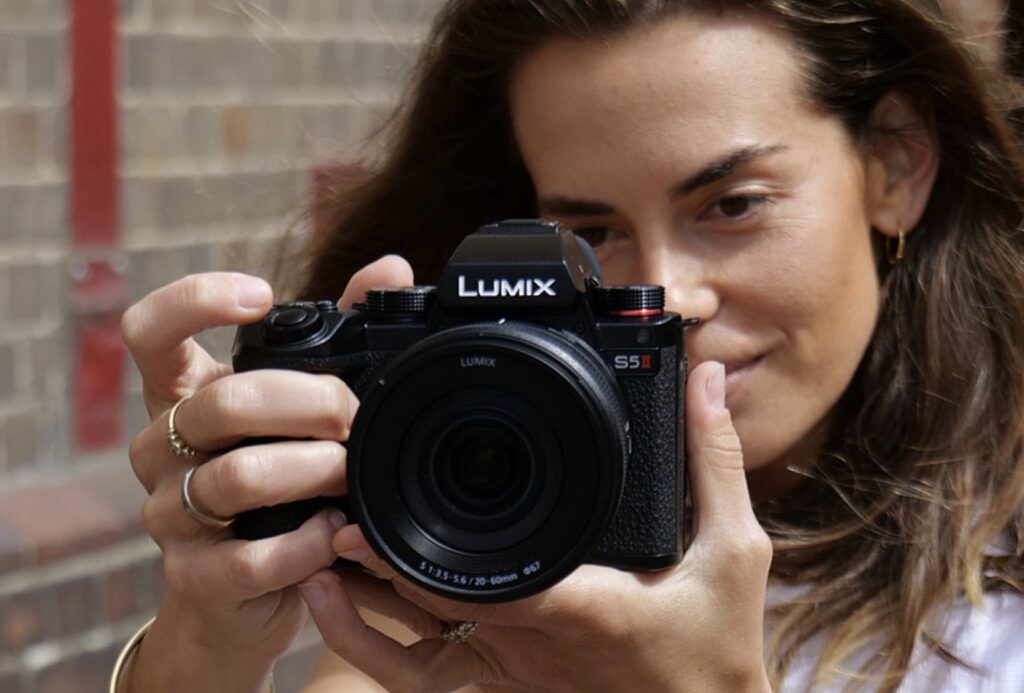
Table of Contents
 Our Picks at a Glance
Most of the companies in the mirrorless market come from a still photography background, only getting into video as an upgrade to their mirrorless offerings as video technology improved. Panasonic on the other hand, has been making broadcast cameras for more than fifty years. Countless television studios have been equipped with Panasonic broadcast camreas.
This has led Panasonic to a more video-focused approach than the other companies, even lacking some of the still photo features that were taken for granted in other brands. But that has changed, and Panasonic now makes camears that are as good for photographers as videographer, but still they’re mostly designed for video.
The original Panasonic mirrorless cameras were in the Micro Four Thirds format, and many of them still use this smaller sensor. With the launch of the L-Mount Alliance, a lens standard adopted by several companies and which Panasonic helped create, Panasonic is going all-in on full-frame cameras.
Panasonic’s cameras feature unlimited recording, advanced video codecs, and professional video features that make their cameras perfect for video-first creators. I’ve been using a Panasonic S1 II as my YouTube studio camera, so if you’ve ever watched one of our videos, it was probably shot on Panasonic.
Our Picks at a Glance
Key Takeaways
Panasonic’s mirrorless cameras are built around strong video capabilities and reliable handling. The Lumix G100 II is aimed at vloggers who want Micro Four Thirds portability with good audio and stabilization. The Lumix S5 II strikes a balance between professional video and full-frame still performance, adding phase-detect autofocus to the series for the first time. The Lumix S5 IIx expands those capabilities with more advanced codecs and streaming options for creators who need a compact production camera. The Lumix GH6 remains a favorite among video shooters for its internal ProRes recording and flexible Micro Four Thirds lens options, while the Lumix S1H continues to serve as the most robust hybrid video camera in Panasonic’s lineup. Together, they form a system that covers everything from travel vlogging to commercial film production.
Why Trust Us
I’ve been testing and reviewing cameras since the early days of digital photography, watching the entire evolution from film to digital. As a working photographer and videographer, I’ve shot with all of these cameras in real-world scenarios, and I’ve tested each one, except the Leica camera lineup. Fortunately for customers shopping for Leica, the brand is known for the utmost in quality design and images, and the recommendations come down to body style preferences and some features.
For all of the cameras in this list, and especially for the Leica cameras, we consulted with our partner creators for their feedback and their take on today’s mirrorless cameras.
Our team has hands-on experience with every major camera manufacturer. It has covered the mirrorless revolution from its inception with the original Four Thirds cameras to today’s flagship full-frame models.
The cameras featured in this guide have been extensively tested by our team and validated by the broader photography community. Our recommendations are based on extensive testing, real-world performance, and feedback from working professionals across different photography disciplines.
We never take payment for placement, and even though our articles contain affiliate links, they never influence our editorial rankings.

The Panasonic Lumix S1 II is a full-frame mirrorless camera built around a 24.2-megapixel CMOS sensor and the latest Phase Hybrid autofocus system. It records 6K video up to 30 fps and 4K up to 120 fps, supports 5-axis in-body image stabilization rated up to 8 stops, and features a new Real Time LUT function for applying looks directly in-camera. The magnesium alloy body includes dual SD card slots, a 5.76-million-dot EVF, and an articulating 3.2-inch touchscreen.
Dual card slots allow flexible workflows
5-axis IBIS makes handheld shooting practical
Phase-detect AF finally resolves past focus issues
Full-size HDMI and USB-C with power delivery
6K and high-frame-rate 4K options for hybrid use
Larger and heavier than the S5 series
No CFexpress option for faster data rates
Battery life shorter than DSLR standards
Menus and customization can overwhelm new users
- Sensor: 24.1 MP partially‑stacked full‑frame CMOS
- Processor: Latest Panasonic S‑series engine
- Autofocus: Phase Hybrid Autofocus with 779 focus points
- Video: Open Gate 5.1K/60p, 4K up to 120p in some modes; internal ProRes RAW in supported modes
- Stabilization: 5-Axis IBIS up to 8 stops
- Storage: Dual SD UHS-II slots
- Screen: 3.2-inch articulating touchscreen
- Viewfinder: 5.76 M-dot OLED
- Weight: Approximately 740 grams (1.63 pounds
This is currently my A-camera in the studio because it offers incredible image quality and best-in-class color rendition. It takes some time to dial in for studio setups, but once you have it set up, it produces amazing videos. The Dynamic Range Boost feature is extremely helpful for challenging lighting situations.
Panasonic’s flagship full-frame camera represents the pinnacle of its video-focused technology. It has excellent build quality and extensive video support, making it perfect for studio and location video work alike.

The Lumix S9 is a compact full-frame mirrorless camera using the same 24.2-megapixel sensor as the S5 II but in a smaller, lighter body. It records 6K 30p and 4K 60p 10-bit video and includes Panasonic’s Real Time LUT feature for quick color grading in-camera. The S9 omits a viewfinder to keep the body slim and relies on a tilting rear touchscreen for composition. It shares the L-Mount system, making it compatible with Panasonic, Leica, and Sigma lenses.
- Ultra-compact design makes it the most portable full-frame camera available while maintaining professional video recording capabilities.
- Professional video features, including advanced codecs and color profiles, provide serious production capability in a remarkably small package.
- Phase-detection autofocus is much better than Panasonic’s previous contrast-detect models and provides reliable tracking performance.
- No electronic viewfinder limits usability in bright outdoor conditions and traditional photography applications.
- Single SD card slot provides no backup option, which may concern content creators shooting important sessions or commercial work.
- Limited physical controls due to compact design may frustrate users who prefer buttons over touchscreen interfaces.
- Sensor: 24.2MP Full-Frame CMOS
- Processor: Venus Engine
- Video Resolution: 6K 30p, 4K 60p
- Continuous Shooting: 30 fps (electronic)
- Stabilization: 5-axis IBIS
- LCD: 3″ 1.84m-Dot vari-angle touchscreen
- Connectivity: Wi-Fi 6E, Bluetooth 5.0
- Battery Life: Approx. 470 shots (CIPA)
This camera is the best choice in Panasonic’s lineup for users who want full-frame image quality in the most compact package possible. The lack of an electronic viewfinder is a significant trade-off. Still, for content creators who primarily use the rear LCD, it offers professional video features in a portable design that’s perfect for travel and mobile production.
Panasonic’s ultra-compact full-frame camera prioritizes portability but still has all the video resolutions and formats you could need, despite the small size.

The Lumix GH7 is a Micro Four Thirds camera designed for professional video production. It uses a 25.2-megapixel BSI CMOS sensor with Phase Hybrid AF, internal ProRes recording, and support for Apple ProRes RAW. The GH7 also introduces 32-bit float audio recording with the XLR adapter, 5-axis stabilization, and unlimited recording in 4K or 5.7K. It continues the GH series’ reputation for video-first functionality while improving autofocus and workflow speed.
- Internal ProRes and ProRes RAW simplify post-production
- Phase-detect AF eliminates focus hunting from older GH bodies
- 32-bit float audio integration expands professional use
- Excellent thermal management for unlimited recording
- Smaller MFT sensor limits low-light performance
- Larger body than most MFT cameras
- High bitrate formats require expensive storage cards
- Sensor: 25.2MP Micro Four Thirds Live MOS
- Processor: Venus‑variant engine
- Autofocus: 79 Points, Phase Hybrid Autofocus
- Video: 5.7K up to 60p; 4K 60p 4:2:2 10‑bit unlimited, ProRes RAW options
This camera finally brought phase-detection autofocus to Panasonic’s popular GH series, and it’s a game-changer for video creators who previously had to rely on manual focus. In my studio tests, the ProRes recording capability gives the footage post-processing adjustment capabilities, so it’s great for studio work but also for weddings and other shoots with quickly changing lighting.
Panasonic’s flagship Micro Four Thirds camera delivers professional video features in the most compact form factor available, but with the tradeoff that the smaller sensor has worse low-light performance than APS-C or full-frame cameras.

The Lumix S5 II is a full-frame hybrid camera combining 24.2-megapixel resolution with advanced Phase Hybrid autofocus and 6.5-stop image stabilization. It supports 6K 30p and 4K 60p 10-bit recording, with unlimited record times in most modes. The camera includes a built-in fan for thermal control, dual SD card slots, and an articulating touchscreen. It’s part of the L-Mount system and offers a strong balance of features for both stills and video work.
- Fast and reliable phase-detect autofocus
- Excellent 6K 30p and 10-bit video options
- IBIS for handheld shooting better than many compeitor cameras
- Shorter battery life for long video sessions
- Menus can be complex for beginners
- Lacks built-in cooling for extended 6K recording
- Sensor: 24.2 MP full‑frame CMOS
- Processor: Panasonic video engine variant
- Autofocus : 779-Point Phase-Detection AF System
- Video: 6K up to 30p, 4K up to 120p depending on mode; 10‑bit recording internal
- Stabilization: 5-axis in-body image stabilization (up to 6.5 stops)
- Lens Mount: L-Mount
This is my top recommendation for content creators who need unlimited recording and professional video features without breaking the bank. This was my studio camera before the S1 II was released. Having used it extensively for video production, I’ve never had it overheat. The new phase-detection autofocus finally brings Panasonic up to competitive levels for shooting.
Recording up to 6K/30 is on par with cinema cameras that cost much more than this camera. With a viewfinder and a hybrid-style body, it’s a great choice for both photo and video work.
The menu system can be confusing because there are so many features and options. I’ve had to Google how to set up the features several times.
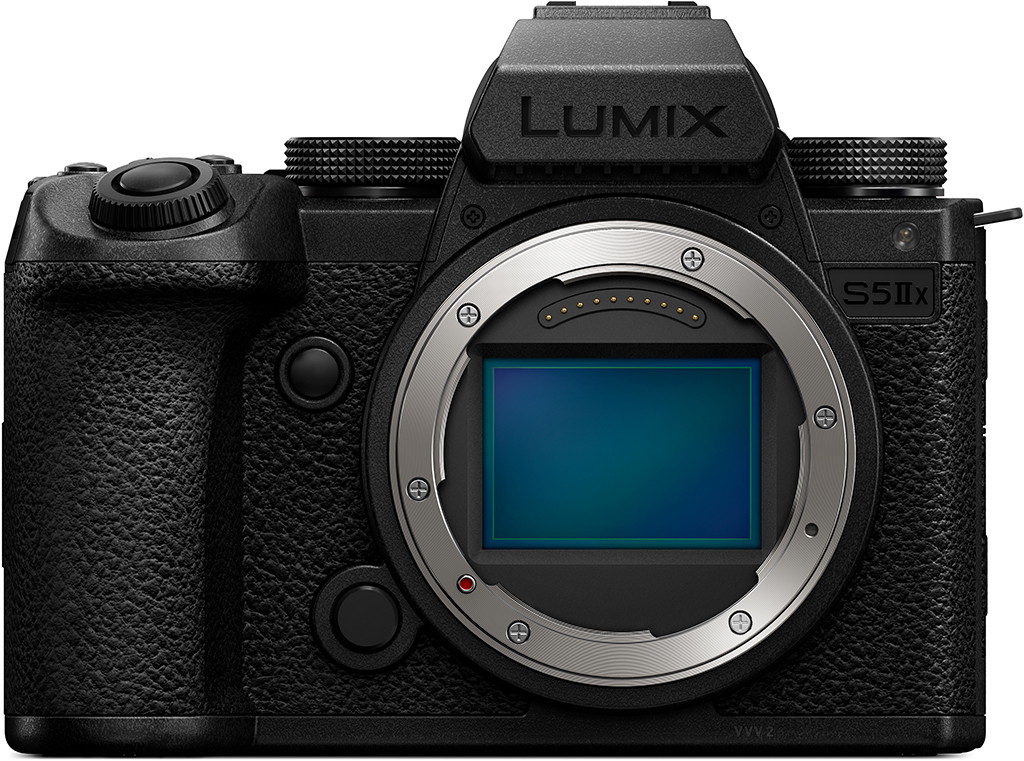
The S5 IIX takes everything I liked about the S5 II and squeezes in even more video technology, if that’s possible. It’s essentially the same camera at its core—the same sensor, autofocus system, and stabilization—but it unlocks more advanced recording formats, like All-Intra and ProRes, and adds direct-to-SSD recording over USB-C. It also supports wired and wireless IP streaming, which makes it easier to use in YouTube and other social media studios. There’s no photography advantage over the S5 II, and if you don’t need the expanded codecs or connectivity, the standard model makes more sense. But if your workflow leans heavily toward video and you want fewer external recorders and adapters, the S5 IIX is the smarter long-term choice.

The Lumix G97 is a Micro Four Thirds camera using a 25.2-megapixel sensor with Phase Hybrid autofocus and strong video capabilities. It records up to 5.8K 60p and 4K 120p, supports 10-bit recording, and includes 5-axis Dual I.S. 2 stabilization for up to 8 stops of correction. It features an articulating screen, dual card slots, and weather-sealed construction. This model continues Panasonic’s push for hybrid performance within the MFT format.
- Excellent value that provides access to Panasonic’s video-focused features and extensive Micro Four Thirds lens ecosystem at budget-friendly pricing.
- Free-angle LCD screen allows for feedback during selfie-style shooting and content creation applications.
- Compact Micro Four Thirds design makes it highly portable for travel and documentary work where size constraints matter.
- Contrast-based autofocus system is slower than phase-detection alternatives and may struggle with fast-moving subjects and low-light conditions.
- Single SD card slot offers no backup option, which may concern photographers shooting important events or extended sessions.
- Limited weather sealing compared to higher-end models makes it more vulnerable to environmental challenges.
- Sensor: 20.3MP Micro Four Thirds Live MOS
- Processor: Venus Engine
- Video Resolution: 4K 30p unlimited
- Continuous Shooting: 9 fps
- Stabilization: 5-stop 5-axis Dual IS 2
- Viewfinder: 2.36m-Dot OLED EVF
- LCD: 3″ 1.84m-Dot free-angle touchscreen
- Connectivity: Wi-Fi, Bluetooth
This is a great entry-level point to Panasonic’s video-first camera systems. It’s based on the Micro Four Thirds sensor, which allows it to be compact without losing much performance. In our testing, it delivers reliable performance for both stills and video, though it is mostly video-centric. The compact lens ecosystem makes it a perfect choice for travel and documentary work where portability matters most.
Built around a 20.3MP sensor with comprehensive automatic modes, the G97 delivers excellent image quality for a Micro Four Thirds camera. Low light performance isn’t an issue in studios, so it’s a perfect entry-level YouTube or Twitch camera.
Comparison Chart
| Panasonic G97 | $550-650 | 20.3MP MFT | 4K/30p, 1080p/60p | Budget MFT, free-angle LCD |
| Panasonic S5 IIX | $1800-2000 | 24.2MP Full-Frame | 4K/60p, 1080p/60p | Budget FF, dual cards |
| Panasonic S5 II | $1900-2100 | 24.2MP Full-Frame | 6K/30p, 4K/60p unlimited | Phase AF, unlimited recording |
| Panasonic GH7 | $2100-2300 | 25.2MP MFT | 5.7K/60p ProRes RAW | Internal ProRes, active cooling |
| Panasonic S1 II | $2100-2300 | 24.2MP Full-Frame | 6K/30p, 4K/120p | Dynamic Range Boost |
| Panasonic S9 | $1400-1600 | 24.2MP Full-Frame | 6K/30p, 4K/60p | Ultra-compact, no EVF |
Frequently Asked Questions (FAQs)
What’s the difference between full-frame, APS-C, and Micro Four Thirds sensors?
Full-frame sensors (36mm x 24mm) provide the best low-light performance and shallowest depth of field, making them ideal for professional applications and challenging lighting conditions. APS-C sensors offer an excellent balance of image quality, portability, and cost, with a crop factor that provides extra reach for wildlife and sports. Micro Four Thirds sensors prioritize compact size and exceptional stabilization, with a 2x crop factor that makes telephoto lenses much smaller and more affordable than full-frame equivalents.
How important is weather sealing for mirrorless cameras?
Weather sealing provides crucial protection for photographers working in challenging conditions, from light rain to dusty environments. Cameras like the OM System models and professional Canon and Nikon bodies offer comprehensive protection that allows shooting in conditions that would damage unprotected cameras. However, casual photographers may not need extensive weather sealing, and basic splash resistance is often sufficient for most situations.
Do I need the highest resolution camera for professional work?
Resolution requirements depend on your specific applications. Portrait and commercial photographers often benefit from 45-61MP cameras for maximum detail and cropping flexibility. In contrast, sports and wildlife photographers may prefer lower resolution cameras with faster burst rates and better high-ISO performance. Most professional work can be accomplished excellently with 24-33MP cameras, which offer a better balance of file size, processing speed, and image quality.
What’s the advantage of mirrorless cameras over DSLRs?
Mirrorless cameras offer several key advantages: electronic viewfinders show exactly how your final image will appear, silent shooting modes enable discrete photography, advanced autofocus systems provide superior subject tracking, and compact size makes them more portable. Additionally, features like focus peaking, zebras for exposure, and real-time histogram display provide immediate feedback that DSLRs cannot match.
How do I choose between different camera manufacturer systems?
Consider lens ecosystem, color science preferences, and existing gear when choosing manufacturers. Sony offers the most comprehensive mirrorless camera lineup with excellent autofocus and the largest third-party lens selection. Canon provides outstanding color science, growing RF lens selection, and amazing professional support. Nikon delivers exceptional value with recent video-focused releases and reliable build quality. Panasonic leads in professional video features and unlimited recording capabilities. Fujifilm offers unique color science, premium build quality, and engaging tactile controls. OM System provides the best weather sealing and computational photography features in compact packages. Leica represents ultimate craftsmanship for users who prioritize premium materials and distinctive character over value.
What accessories are essential for mirrorless cameras?
Essential accessories include extra batteries (mirrorless cameras use more power than DSLRs), fast memory cards rated for your camera’s video capabilities, a sturdy tripod or travel tripod for stability, and lens filters for creative control. Consider a camera strap or grip for better handling, lens cleaning supplies for maintenance, and a camera bag or case for protection. External flash or LED panels improve lighting, while remote releases enable sharp long exposures and self-portraits.
How much should I budget for lenses with a new mirrorless camera?
Budget at least as much for lenses as you spend on the camera body, and often more for serious photography. A basic lens kit (wide-angle zoom, standard zoom, telephoto) typically costs $1500-3000 for quality options, while professional lenses can cost $1000-3000 each. Third-party manufacturers like Sigma, Tamron, and Tokina offer excellent alternatives at lower prices. Consider starting with one versatile zoom lens and adding specialized lenses as your photography develops.
What’s the learning curve for switching from DSLR to mirrorless?
The transition is generally straightforward, with most controls and concepts remaining similar. Electronic viewfinders may require adjustment, but they provide immediate feedback that many photographers prefer once adapted. Battery life management becomes more important, menu systems vary between manufacturers, and some photographers need time to adapt to silent shooting modes. Most DSLR users find mirrorless cameras intuitive within a few weeks of regular use.
Do mirrorless cameras work well for professional video production?
Many mirrorless cameras now offer professional video features, including 4K/8K recording, professional codecs, unlimited recording times, and advanced autofocus systems. Cameras like the Panasonic S1 II, Sony a7S III, and Canon R5 Mark II provide capabilities that rival dedicated video cameras. However, consider your specific workflow needs: professional productions may still require dedicated video cameras for features like built-in ND filters, advanced monitoring options, and specialized professional connectivity.
Are expensive cameras always better than budget options?
Not necessarily. Expensive cameras offer advanced features like faster burst rates, better low-light performance, weather sealing, and professional build quality, but budget cameras often deliver excellent image quality for most uses. Consider your actual shooting needs: a $600 camera may produce results indistinguishable from a $6000 camera for casual photography. At the same time, professional work may require the reliability and features that only expensive cameras provide.