Hands-On Review: Sony FE 100mm F2.8 Macro GM OSS – The Best Macro Lens Ever Made?

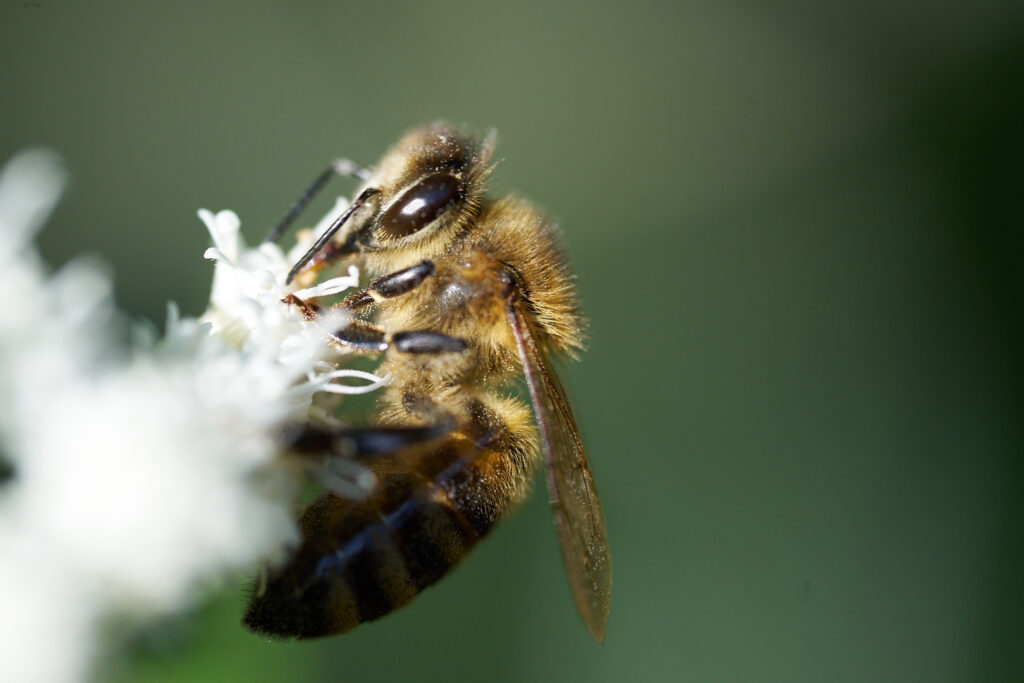
Table of Contents
-
 An Unprecidented Macro Lens
 -
Lens Design – A Beefy Body With Good Tactile Controls
-
Buttons and Toggles: Lens Controls Make Macro Shooting Easy
-
Trouble With the Toggle – My one Gripe
-
Our Video Guide to Macro Photography
-
Internal Design Choices, Amazing Optics
-
Subject Detection, or not
-
Image Quality and Resolution


Sony’s FE 100mm F2.8 GM OSS macro lens is a rare creature, a lens that’s capable of creating a truly macro image while also being versatile enough to be a portrait lens with excellent image quality. It’s also one of the very few lenses that can achieve magnifications greater than life size. When using Sony’s teleconverters, it’s capable of shooting nearly three times life size, with fully functional autofocus.
Sony’s FE 100mm F2.8 GM OSS macro lens is a rare creature, a lens that’s capable of creating a truly macro image while also being versatile enough to be a portrait lens with excellent image quality. It’s also one of the very few lenses that can achieve magnifications greater than life size. When using Sony’s teleconverters, it’s capable of shooting nearly three times life size, with fully functional autofocus.
- Exceptional image quality and sharpness even at extreme magnifications
- Optical SteadyShot (OSS) and IBIS make handheld macro shooting possible
- Supports teleconverters for up to 2.8× life-size magnification
- Fast, quiet autofocus with four XD linear motors
- Doubles as a high-quality portrait lens
- AF/MF focus clutch is too easily moved by accident
- Slightly heavy and bulky compared to shorter macros
- Autofocus is not the fastest when shooting portraits
- Focal Length: 100mm
- Maximum Aperture: f/2.8
- Magnification: 1.4x native, up to 2.8x with teleconverter
- Aperture Blades: 11
- Optical Design: 17 elements in 13 groups (2 XA, 2 ED)
- Image Stabilization: Optical Steady Shot (OSS) and compatible with IBIS
- Weight: 750 grames (1.54 pounds)
- Weather Sealing: Dust and Moisture Resistant
An Unprecidented Macro Lens
Sony’s FE 100mm F2.8 GM OSS macro lens is a rare creature, a lens that’s capable of creating a truly macro image while also being versatile enough to be a portrait lens with excellent image quality. It’s also one of the very few lenses that can achieve magnifications greater than life size. When using Sony’s teleconverters, it’s capable of shooting nearly three times life size, with fully functional autofocus.
I have shot macro photography for decades, and my favorite shooting is of a category of macro I call hyper-macro. These images are at magnifications greater than life size, which reveal the smallest details in a subject. I have tested at least a dozen macro lenses, and for years, I shot the manual focus Canon MP-E 65mm f/2.8 1-5x Macro. I loved the Canon macro because it was one of the few lenses that provided greater-than-life magnification. As a manual lens, it was cumbersome to use, and sometimes, successful shots were more accidental than intentional.
The Sony 100mm FE F2.8 Macro GM OSS macro is one of the best, if not the best, macro lenses I’ve ever shot. Image quality is amazing, and coupled with Sony’s insect-detection AF, it’s able to focus on my favorite subjects with speed and precision that is beyond impressive. It easily moved Canon’s macro to second place, and Sony’s previous 90mm macro lens to third place.
With its optical image stabilization (OSS), especially when combined with Sony’s in-body image stabilization (IBIS), the lens has given me the ability to handhold subjects that would previously have required specialized tripods. It blows my mind that this lens lets me follow insects as they move from flower to flower without camera shake running the shot.
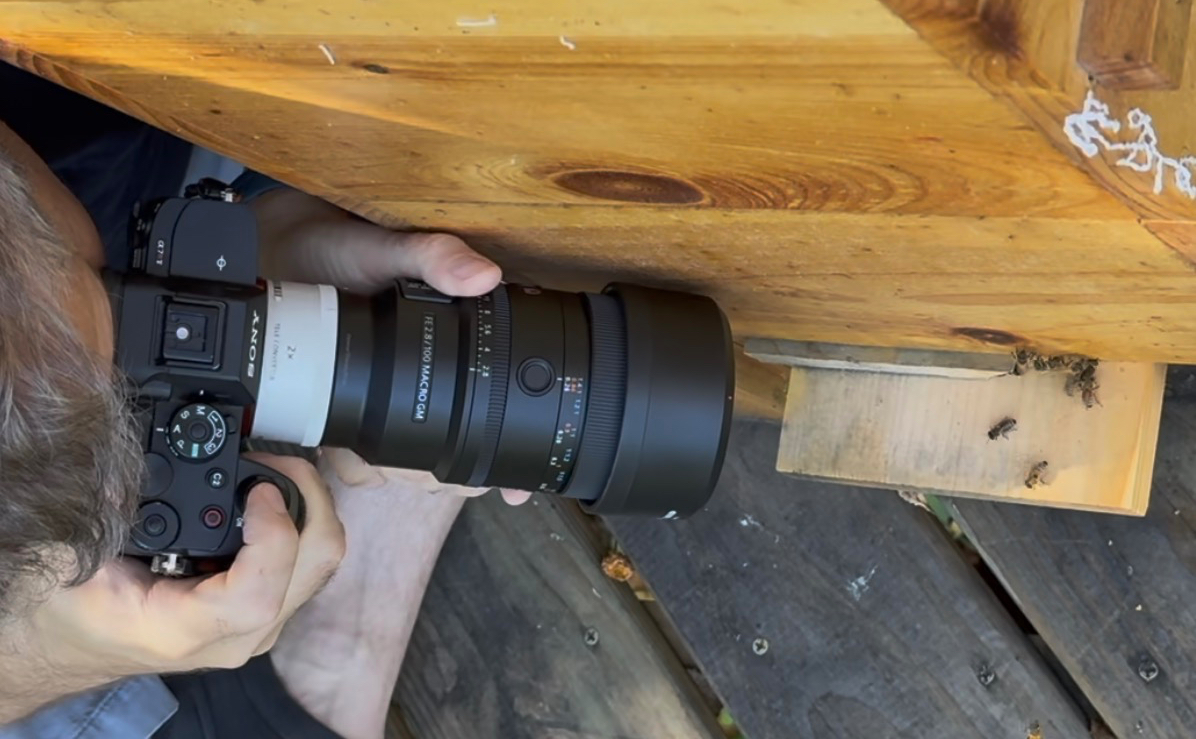
This is the best macro lens available today, and possibly of all time. It’s not without quirks, and it’s not without tradeoffs, but I’m already putting money aside to add this lens to my arsenal.
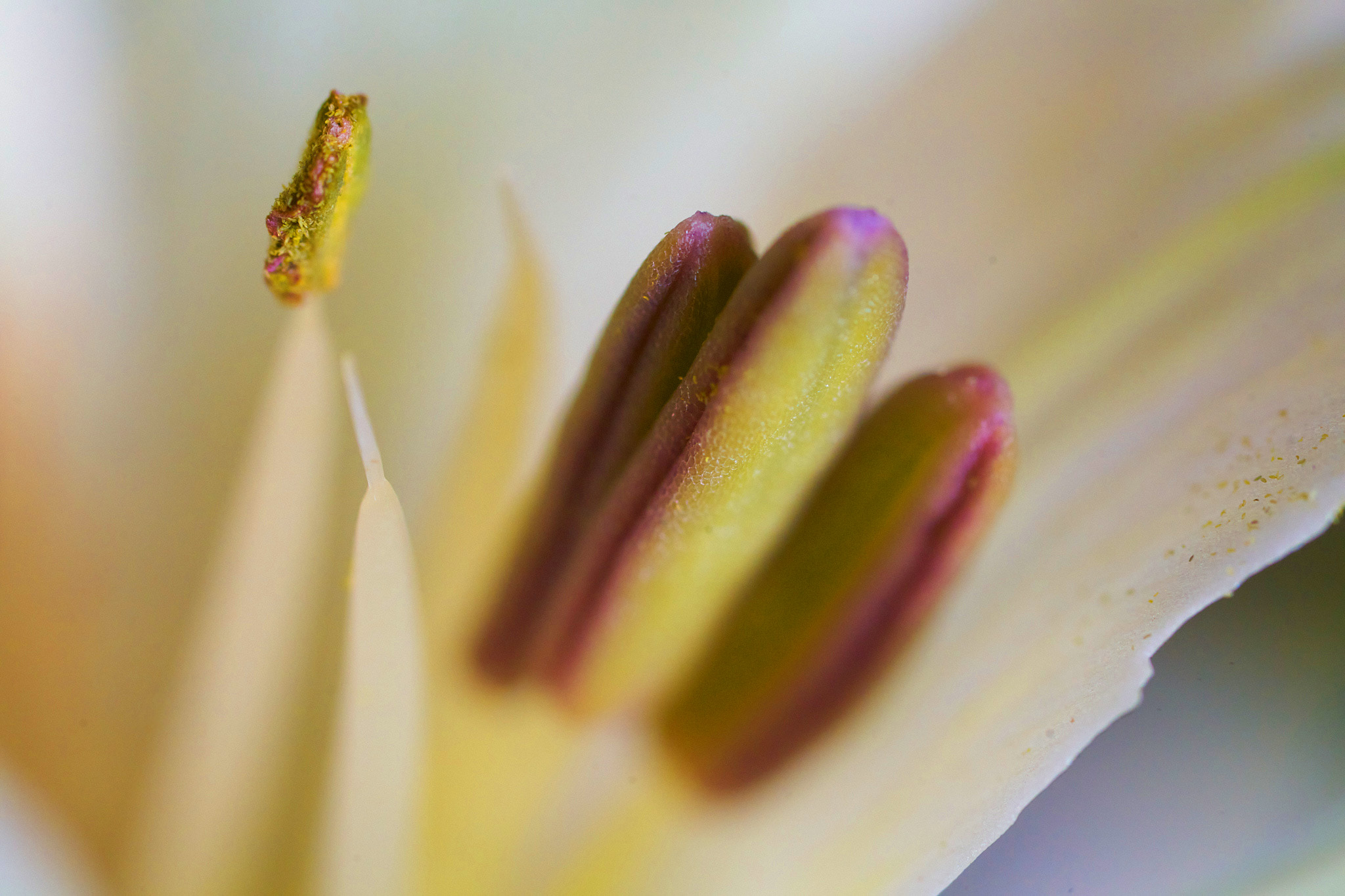
Most “macro” lenses aren’t truly macro—they’re really just close-up lenses. A genuine macro lens delivers a 1:1 reproduction ratio, meaning your subject appears life-size on the sensor. Photograph a 7 mm bee, and it covers 7 mm of the sensor. On a 60-megapixel camera, that tiny bee alone makes up about three megapixels of detail, leaving plenty of room for creative background blur and composition.
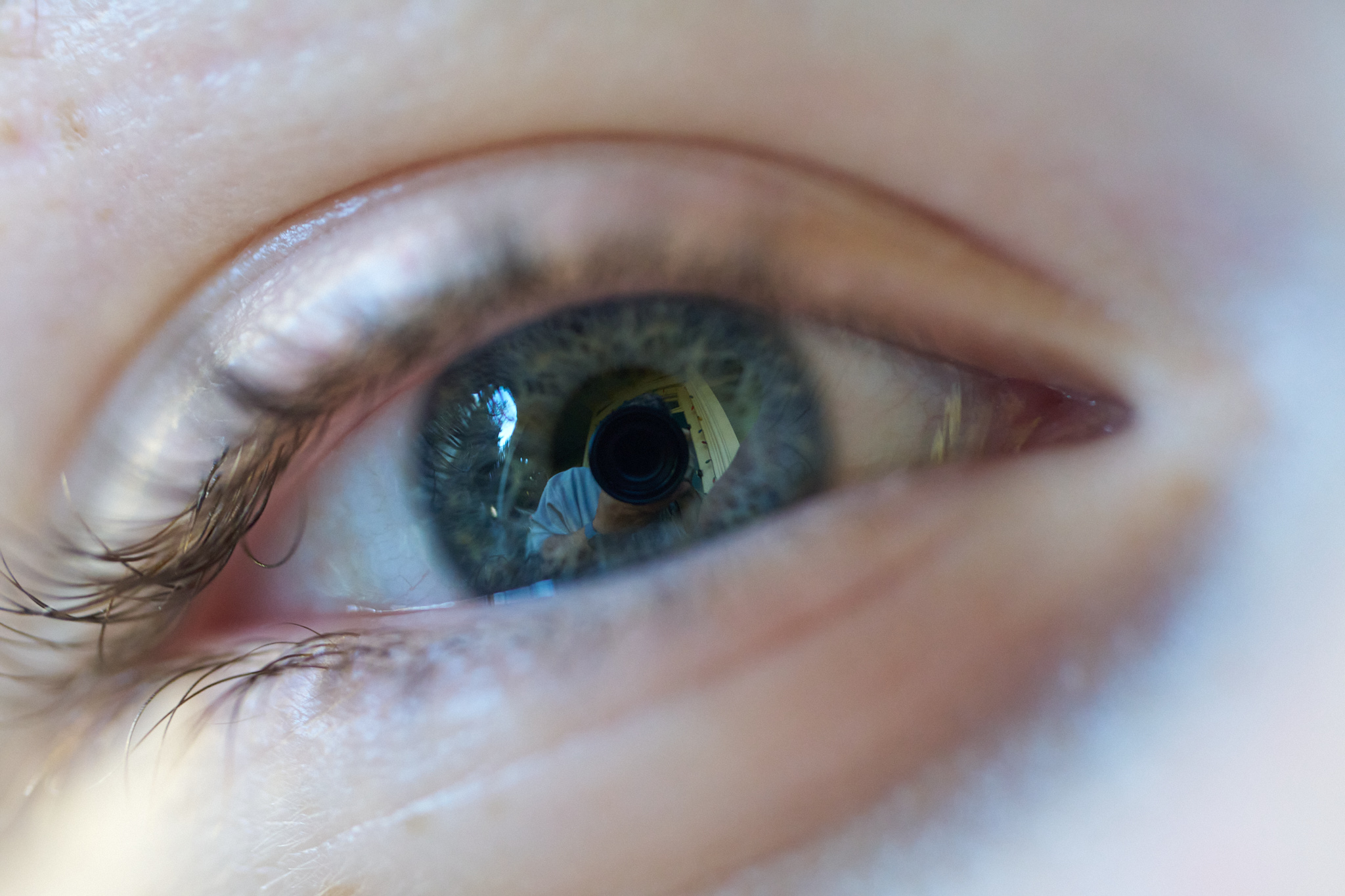
A 0.67× “macro” only gets you about two-thirds life size, but Sony’s new FE 100mm F2.8 Macro GM OSS pushes things much further, or much smaller if you will. It can reach 1.4× native magnification, and when paired with a 2× teleconverter, up to 2.8× life size—so that same bee nearly fills the frame, revealing extraordinary texture and color.
At these levels, focus becomes razor-thin: at f/2.8, only about a millimeter is sharp at 1:1, and barely a third of a millimeter at 2.8×. Stopping down brings more of the subject into focus but cuts the light dramatically, often making a tripod or extra lighting essential. That’s the trade-off of true macro—tiny worlds, enormous detail, and a rewarding challenge.
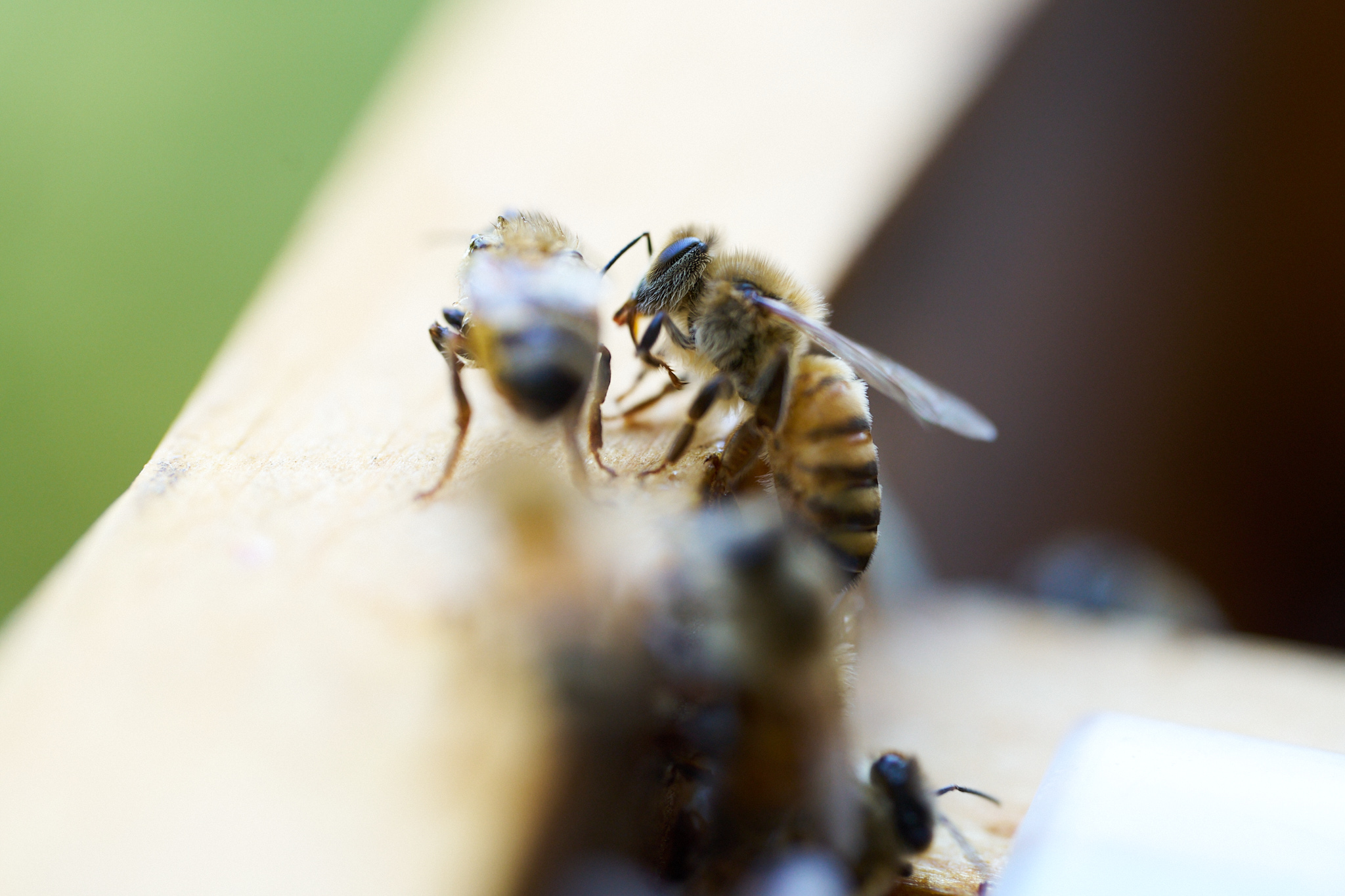
In the past, capturing that much detail meant sacrificing speed or stability, but Sony’s built-in Optical SteadyShot (OSS)and in-body stabilization (IBIS) help counteract the light loss. Together, they make it possible to shoot handheld several stops slower while keeping even the smallest subjects sharp and steady.
If I owned this lens, I’d invest in a lens-mounted ringlight to help with illumination when stopped down. I used to photograph macros with Canon’s 90mm 1x-5x manual focus lens, and it was a fantastic system, but it was in an era pre-image stabilization and required a lens-mounted flash to light subjects enough to freeze them.
Natural light is great in macro photography, but often having an additional lighting source aimed at the subject can help it pop against the background. With prices ranging from $30 to $300, there are plenty of options, including this Godox ring light. Godox is known for solid, affordable third-party lighting tools.

The Godox RING72 Macro Ring LED Light is a portable, daylight-balanced (5600K) continuous light designed for macro and close-up photography, as well as creative portraiture. Featuring 72 LEDs in a circular design, it provides soft, even illumination with optional left/right control for shaping light and creating natural depth or distinctive circular catchlights in eyes. It mounts directly to most lenses via included adapter rings (49–77mm) and can run on either four AA batteries or an optional lithium-ion battery, offering flexibility for studio or field use.
Lens Design – A Beefy Body With Good Tactile Controls
The Sony FE 100mm F2.8 GM OSS is a large lens, though not as large compared to other Sony lenses, and definitely not that large when you consider it does double duty as a portrait lens.
At 750 grams (1.54 pounds), it’s certainly not the lightest macro I’ve used, and with a height of 118mm (4.75 inches), it’s a handful. But Sony’s previous 90mm 90mm F2.8 Macro G is 602 grams (1.32 pounds) and 130mm (5.14 inches) tall.
The extra height of the new 100mm Macro is likely to accommodate the 1.4x and 2x teleconverters, which need a bit of space for the specialized mounts they require.
Compared to Sony’s 135mm f/1.8 portrait lens, the 100mm macro is both smaller and lighter, so as a combined portrait and macro lens, it takes up less space and weight in your bag than dual lenses.
For macro shooters, the weight and size are less of a concern than the controls (and much less of a problem than the image quality, which I’ll discuss shortly). This lens has every switch and function you could want as a macro shooter, though it’s also where one of my few “cons” crops up.
The barrel of the lens has a focusing ring with distance markers in, something I didn’t realize I missed on lenses until testing this one. The markers are in feet, meters, and focus magnification.
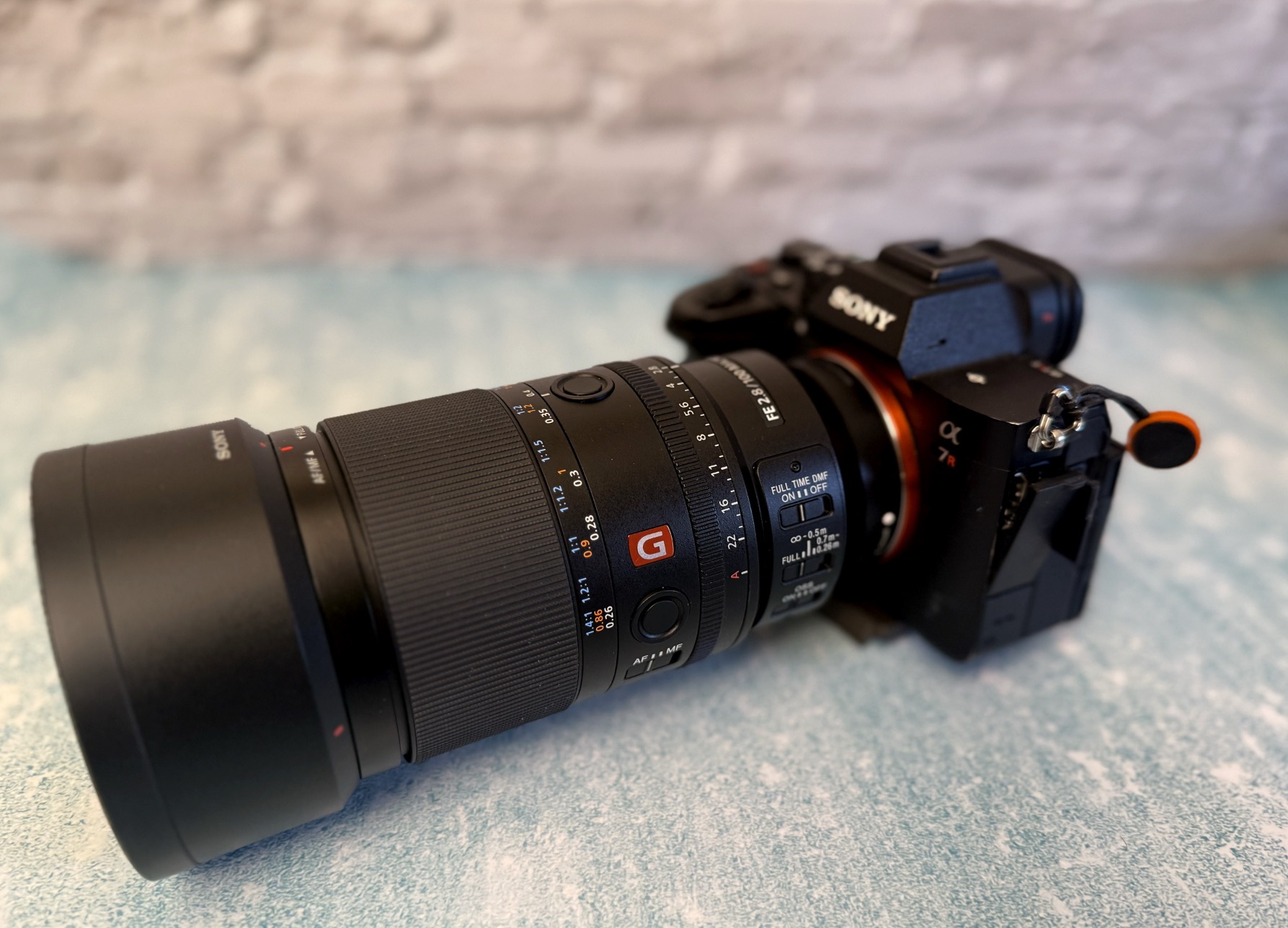
In practice, though I don’t use the markers, because I’m either shooting in autofocus or I’ve got the camera on a tripod and am using Dynamic Manual Focus (DMF) to get much subject distance. DMF zooms in on your subject as you turn the dial, making it possible to get pinpoint accuracy without ever looking at the focusing ring.
Buttons and Toggles: Lens Controls Make Macro Shooting Easy
There are two programmable buttons used by default for focus hold. I use these buttons constantly while shooting macro. Even with autofocus, sometimes it’s faster to stick the lens in manual and move the camera forward and back to get perfect focus. As an example, when shooting insects gathering nectar on a flower, you can hold focus on the edge of the flower so that when the bug comes around from beneath a petal, it’s in focus without having to rely on autofocus.
There is an aperture ring that can be set to clicks between stops or smooth turning without clicks, which makes this a capable video lens. Moving up the barrel, there is a switch for OSS, as stabilization isn’t needed when shooting with a tripod. That’s followed by a focus limiter switch, which prevents the lens from trying to focus past macro distance to reduce focus hunting.
Usually, DMF needs to be set in the camera’s menus, but the 100mm F2.8 Macro has a dedicated switch to enable or disable DMF. When shooting tiny stationary subjects, DMF is great, but when trying to focus on moving subjects, DMF can ruin a shot as the viewfinder is taken over with a magnification of the image.
There are two ways to switch to manual focus on this lens, three if you count the programmable focus hold buttons. And one way drives me insane.
Trouble With the Toggle – My one Gripe
The massive focus ring at the front of the lens doubles as a toggle between manual and autofocus. Pushing this collar forward sets the lens into AF/MF mode, where the camera menus determine if autofocus or manual focus is being used. Pulling the collar back switches to manual focus mode.
And here is my biggest gripe about this lens. The force needed to switch between the two is minimal; you can slide it easily with two fingers, and you can even use a single finger to push it forward or pull it backward. The distance between these two settings is only a few millimeters.
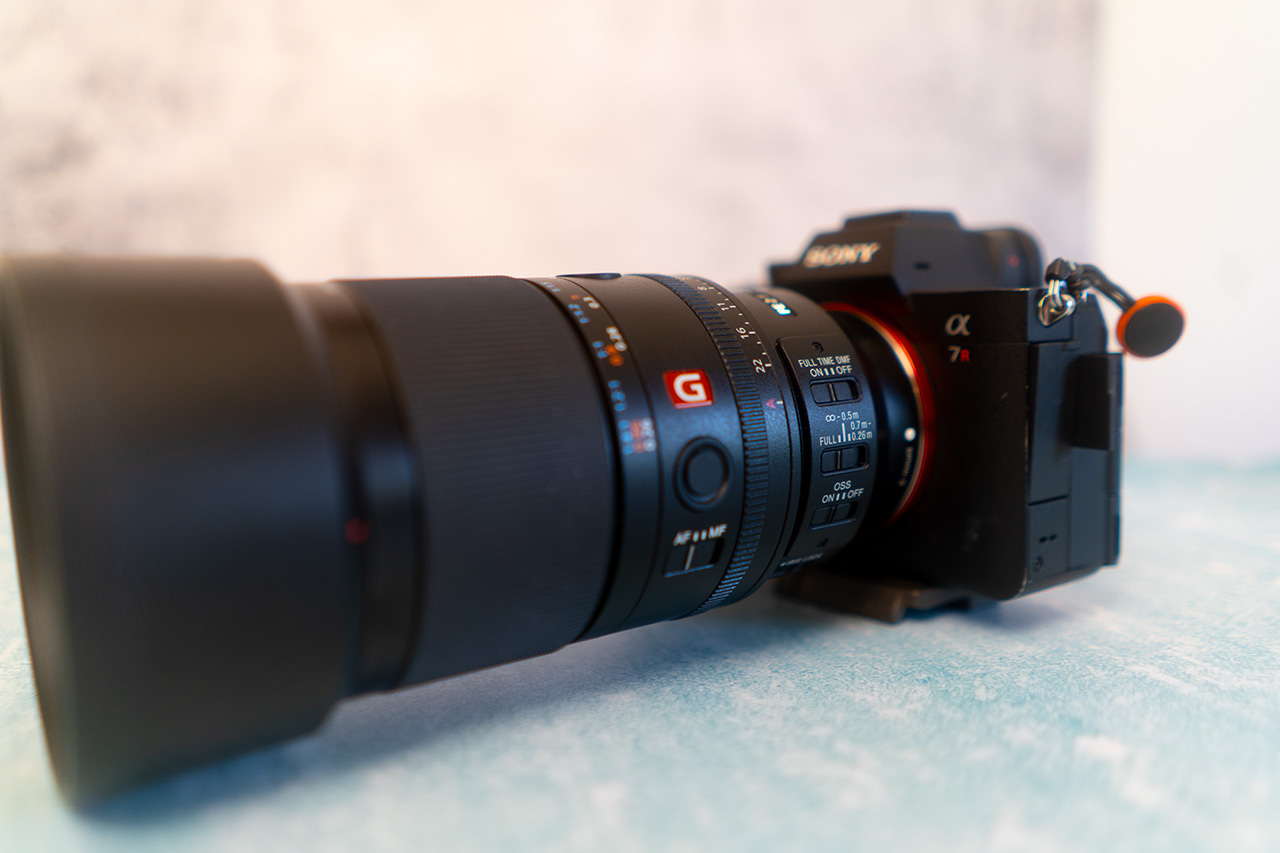
I don’t mind having this control, but I think it requires a locking mechanism. I missed more than one shot where I accidentally switched to manual focus. A secondary issue is that I usually flip the lens hood backwards when shooting with the teleconverters, so the hood doesn’t bump into my subject. I like to leave it on the lens so I don’t lose it, but it covers about half of that collar, making it harder to use.
But that is my one issue with the lens, and it’s not a dealbreaker by any means. The only thing I have to complain about on this lens is a switch I bump when I’m not paying attention. It’s rare that there’s only one “con” in a review, and that it’s such a small thing.
Our Video Guide to Macro Photography
Internal Design Choices, Amazing Optics
The Sony 100mm F2.8 STF GM OSS uses four of Sony’s fastest XD linear motors, where some of Sony’s earlier GM lenses only had one or two of these focusing motors. Sony says that the system focuses nearly twice as fast as its 90mm macro.
These motors are pushing (or pulling) 17 lens elements in 13 groups, including 2 XA (Extreme Aspheric) elements and 2 ED (Extra-low Dispersion) to reduce image distortion.
Generally, the more elements and groups, the better the image quality, as each of these optical components is designed to correct the light entering the barrel before it hits the sensor.
The 100mm macro also employs all of Sony’s lens enhancements, like Nano AR Coating II, which reduces ghosting and flare, and a fluorine coating on the front element to minimize grease and water adhesion.
The aperture, which runs from f/2.8 to f/22, uses an 11-blade circular diaphragm. The number of aperture blades determines how soft the background defocus or “bokeh” will be. Many high-end portrait lenses use a nine-blade design, so an 11-blade aperture creates, in theory, much softer backgrounds.
In practice, it’s hard to say if an 11-blade or 9-blade design would have the same look, but in a macro lens, the soft defocus of the background and foreground is a key part of an image’s appearance.

The lens is dust and moisture-resistant, with sealed gaskets at all moving parts. I wouldn’t take this lens out in heavy rain, but I wouldn’t go out to shoot macro in the rain either.
Subject Detection, or not
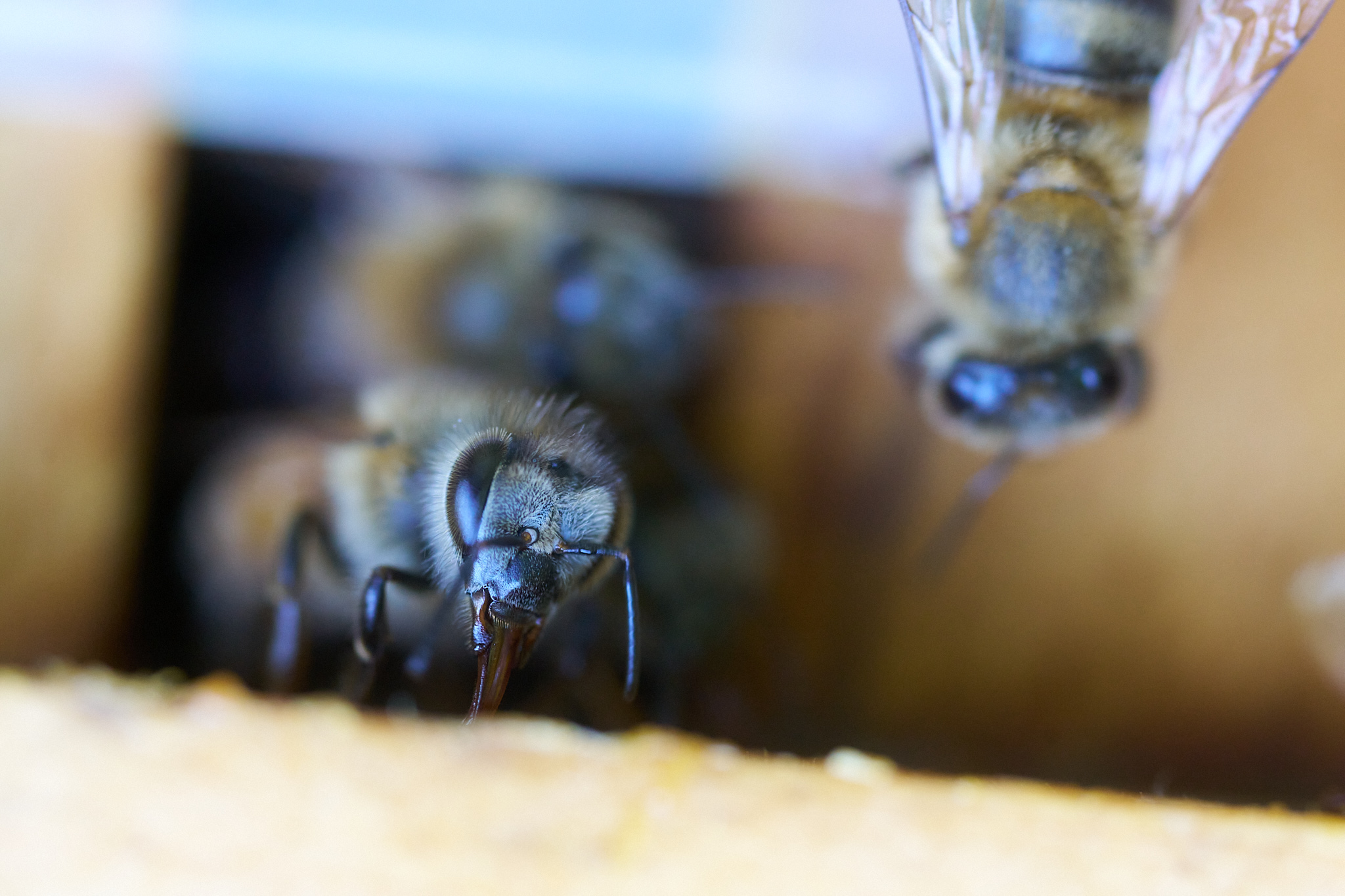
While the insect-detect autofocus worked well, not all subject detection modes work, due largely to how a macro lens works. Insects are easy to track when they occupy the majority of the frame. The part closest to the camera is the bug.
I did get the insect AF to lock on bug eyes, though I’m not sure that was anything other than focus luck. I was as likely to capture an abdomen as an eyeball. I mean, can a camera really tell the difference between the eye of a bee or a spider? And what about earthworms and slugs?
Extremely close subjects, like those of my cat’s eyeball, are outside the capabilities of animal subject recognition. At a close distance, its eye is more of an abstract shape than a recognizable subject. Even with Animal AF on and limited to eye priority, it still focused primarily on the fur around his eyeball.
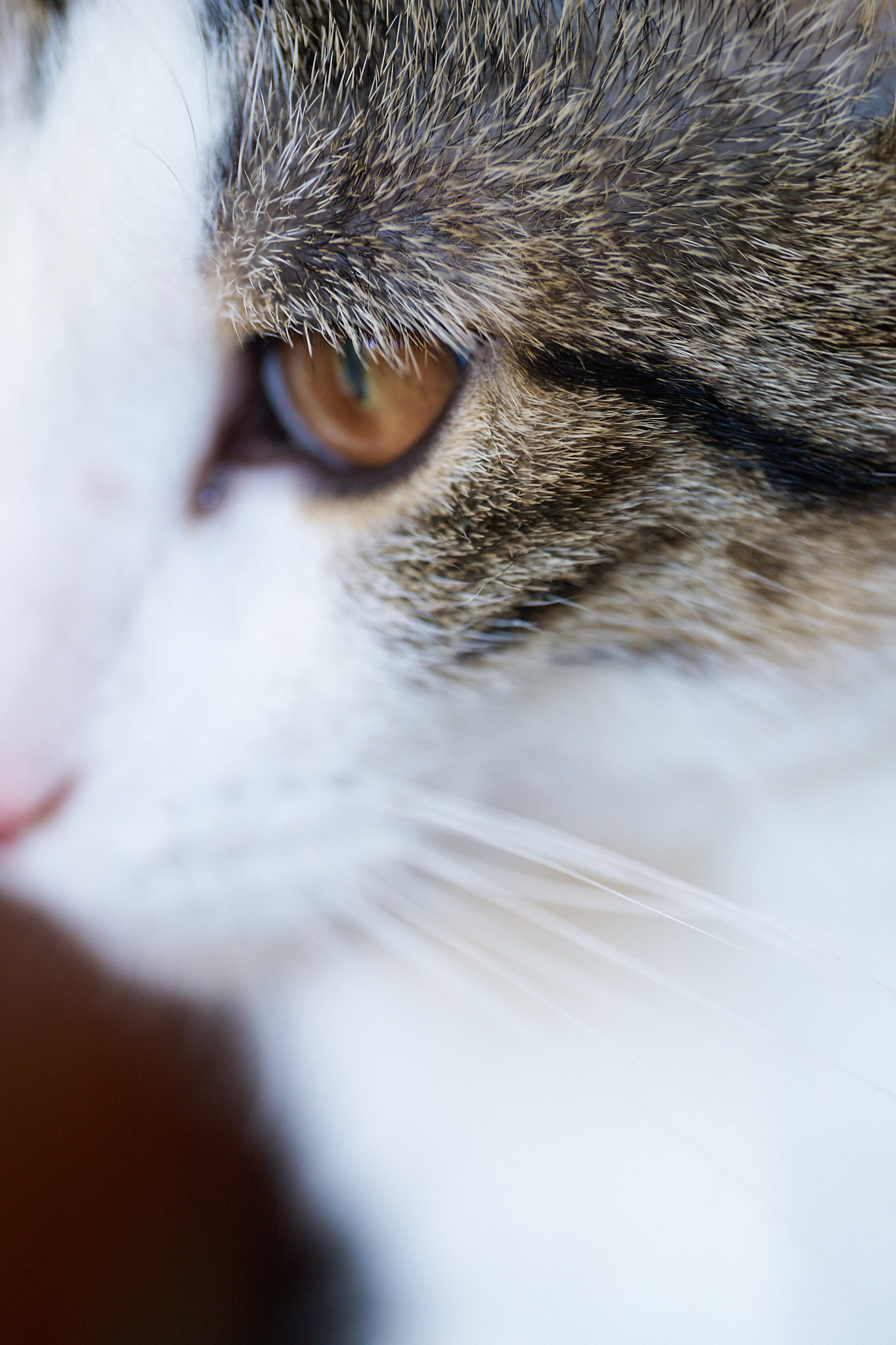
Eyes are usually detected by their position relative to the shape of the face. At this distance, there’s no such thing as a face.
This is why manual focus is so important on a macro lens. Since the AF wasn’t locking on his eye, I simply put it in manual focus and moved back and forth until I saw the shot I wanted.
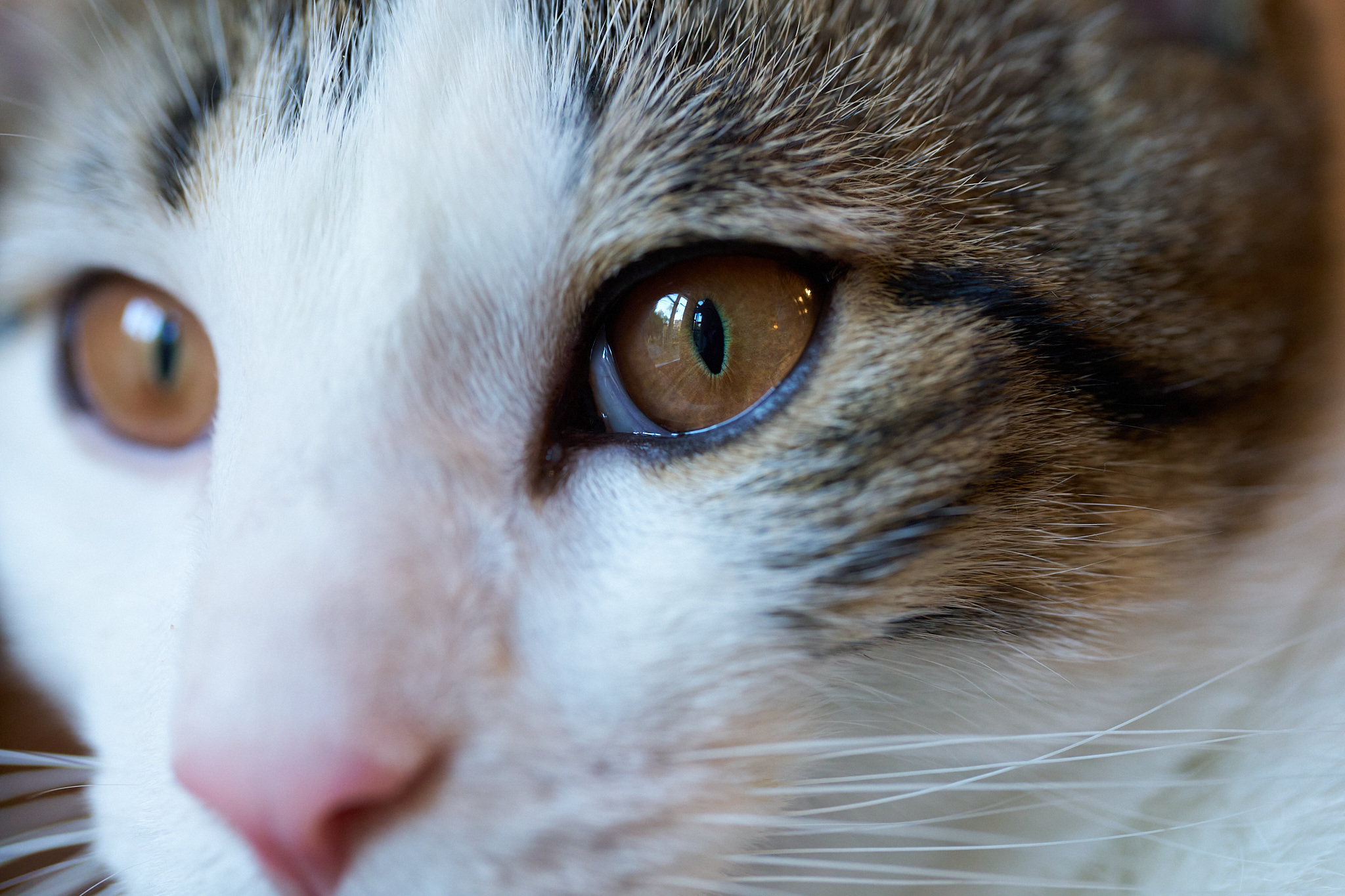
If you’re going to shoot autofocus macro, put the lens in a super small focus point and control that point with the joystick or with tap-to-focus on the LCD screen to increase your chances of in-focus images.
It’s not a knock on the lens, but it is an important consideration when shooting at hyper-macro distances. AF systems aren’t really designed to recognize a subject from a few millimeters away.
As a portrait lens, it’s not the fastest to focus, but it is reasonably quick. It’s slow compared to similar focal lengths from Sony or even Sigma, like the 135mm f1.4 DG Art we reviewed.
Image Quality and Resolution
With macro photography, and especially macro photography at 2.8x lifesize, image quality isn’t just crucial, it’s the whole point. You can get away with some softness in a distant subject shot with a prime lens, but you can’t have a blurry eye of a bee if that’s the subject of your macro.
Macro shots are tack sharp. You could photograph the point of a tack and have it in focus. Even zooming in to two hundred percent, I see no image aberrations, although with such a narrow focus range, it would be hard to see them if they fade into the background blur.
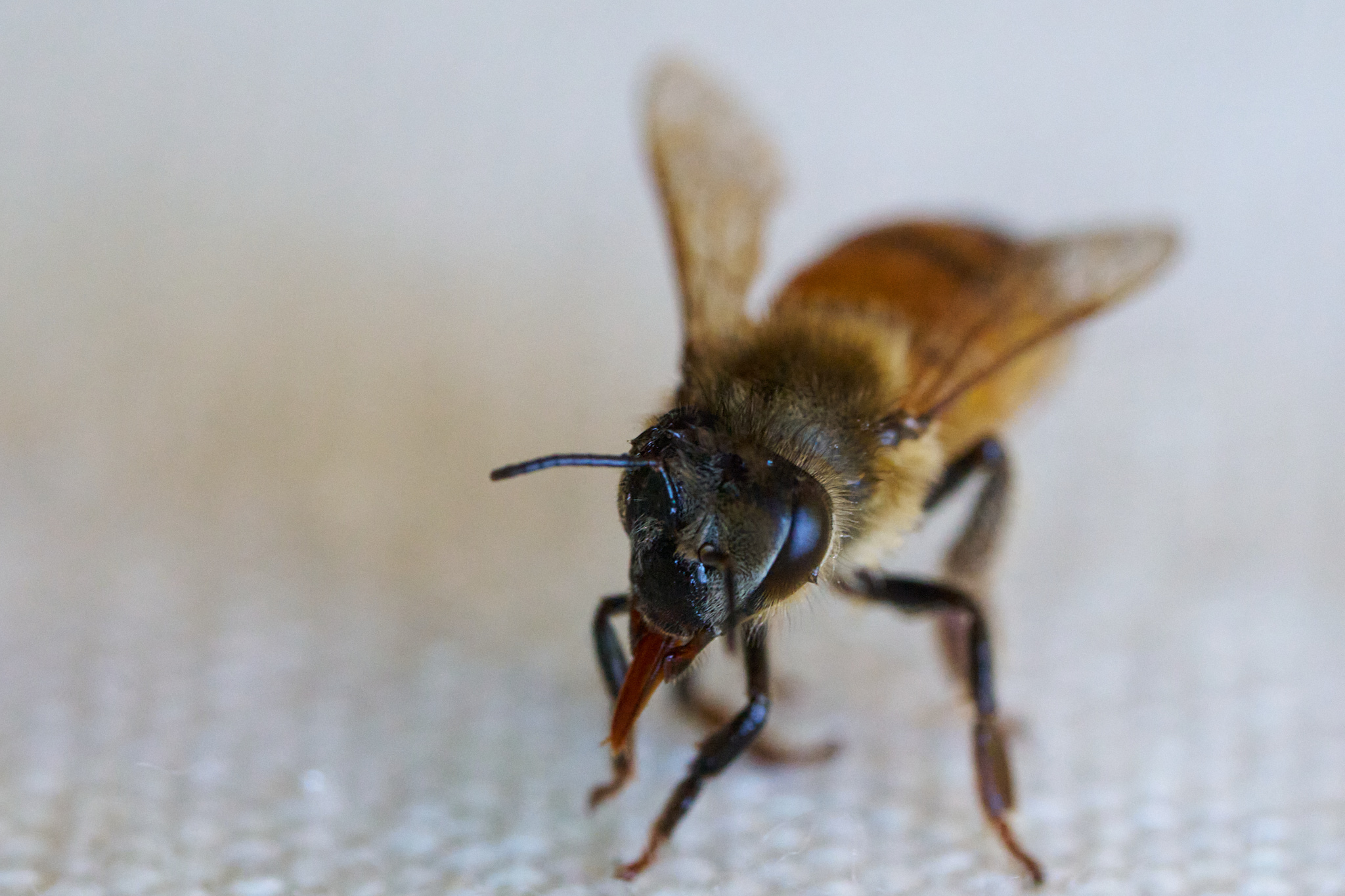
In shots of honeybees, the individual hairs of the insects are visible. They look so fuzzy, I want to pet them. (Fun fact, while honey bees aren’t okay with being touched, their larger bumblebee cousins are, and you can give them a light pet with your finger while they’re gathering nectar.)
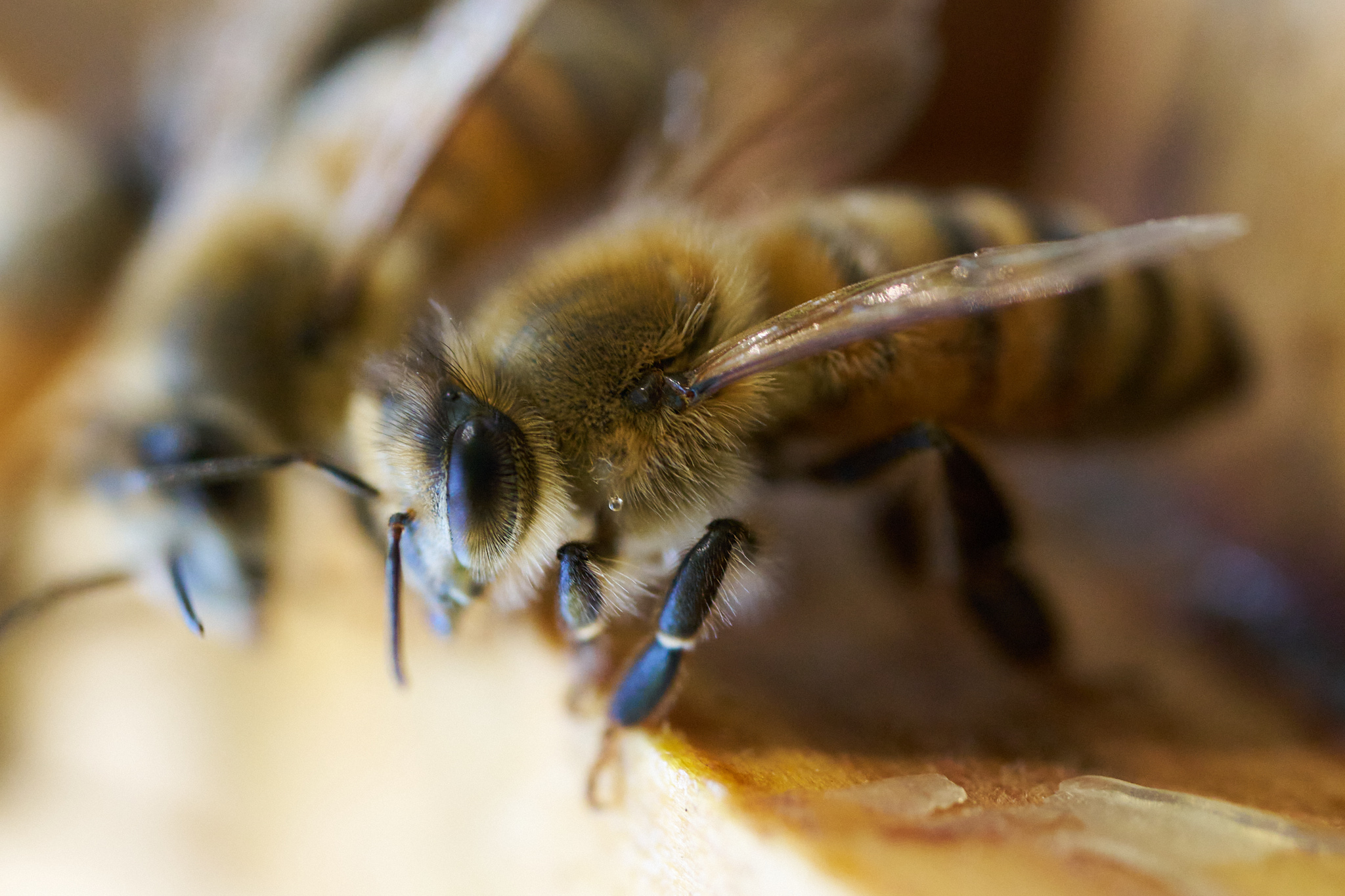
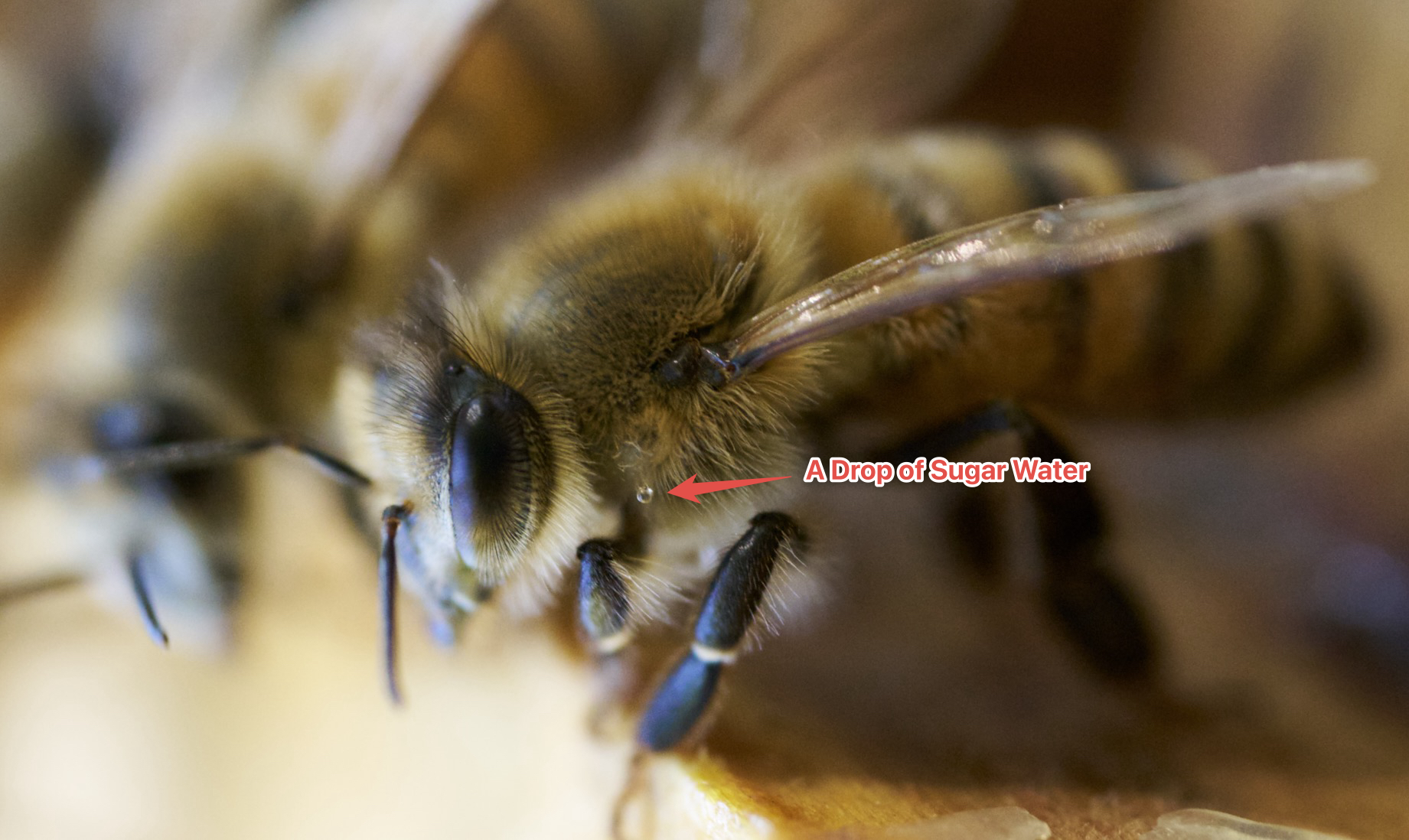
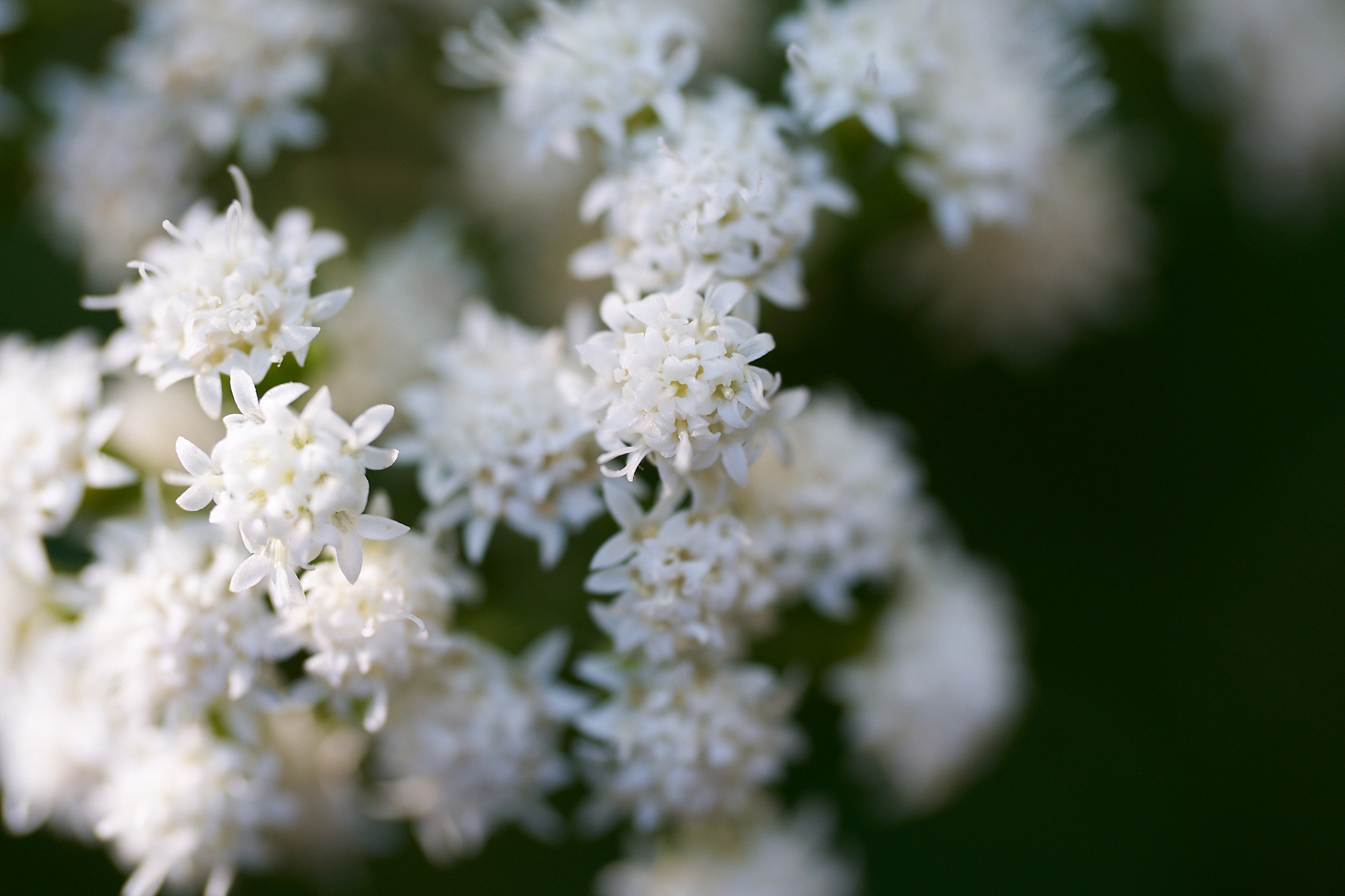
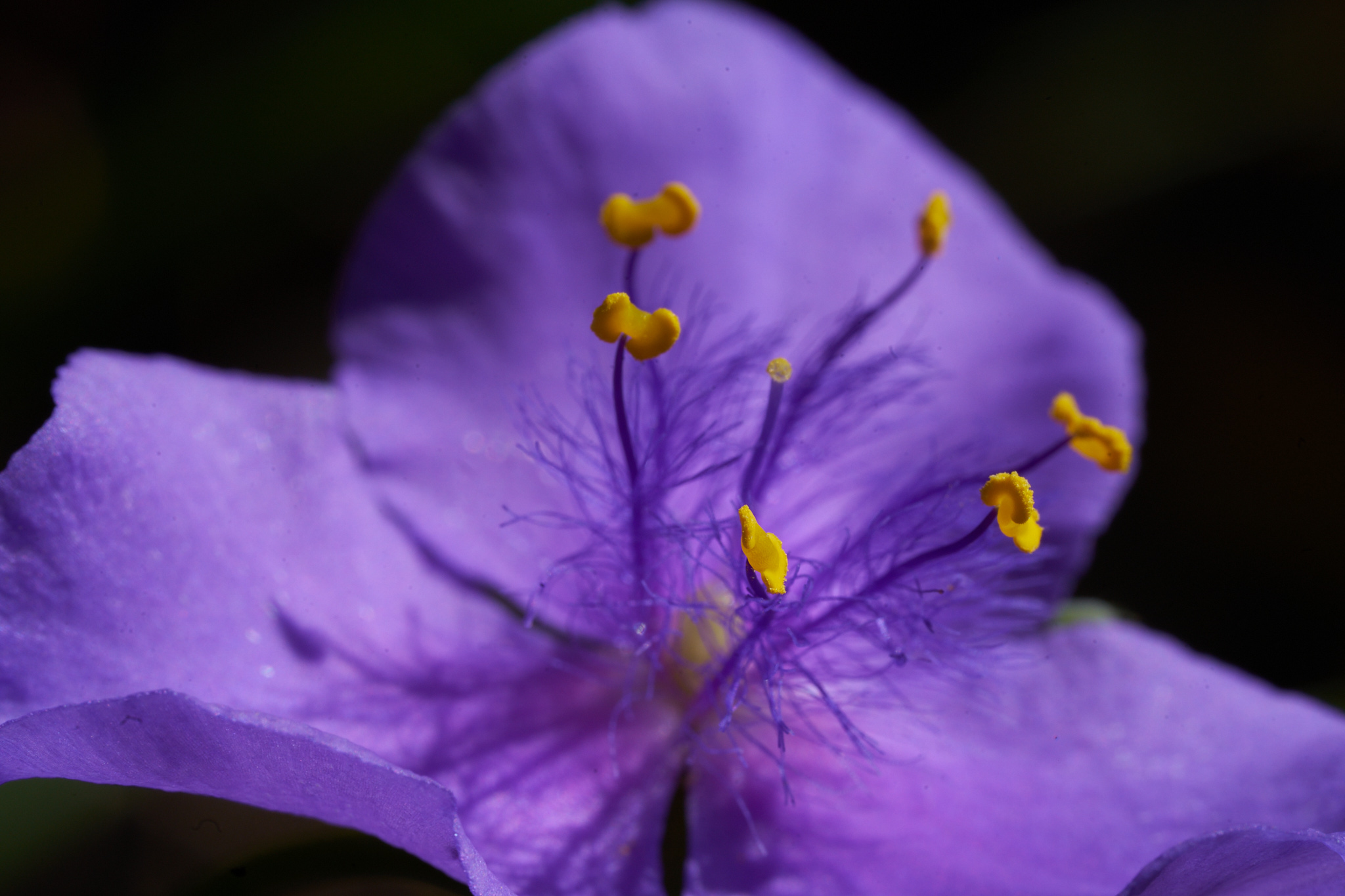
The colors are rendered brilliantly on this lens, with good saturation and excellent tonality where the subject fades into background defocus. On flower shots, I tweaked the saturation, mostly because the lighting I used ended up making the images look flat. A ring light would have helped with the overall saturation.
In portraits, the background blur isn’t as pronounced as on a f/1.8 or f/1.4 lens, naturally, but the softness is impressive with a good distance between subject and background.
When I was being briefed on this lens, I had high hopes and also high expectations. I’m passionate about macro photography, and while I love the Sony 90mm macro, the specs of this lens, especially the ability to use teleconverters, seemed too good to be true.
There are a few instances where a piece of camera gear meets all my expectations, and the Sony FE 100mm F2.8 Macro GM OSS is one of those lenses.