
Best Sony Cameras Buyer’s Guide: Top Picks for Every Photographer

Table of Contents
 Best Sony Cameras: Our Top Picks at a Glance
David Schloss, Editor-in-Chief, and the Imaging Resource Staff
Sony spent years building a full portfolio of cameras for every niche—from high-resolution portrait work to sports, travel, and video production. Its lineup is extensive but can feel confusing, since Sony keeps older models available alongside new ones.
All Sony cameras offer strong video performance and deep customization, letting you tailor buttons, menus, and settings more than any rival system. With unmatched lens compatibility and support from countless third-party brands, Sony gives creators more flexibility than anyone else.
Most of Sony’s entry-level options are APS-C rather than full-frame, so choosing the right model takes some thought. We’ve tested nearly every current camera to help you find the perfect Sony for your style, budget, and goals.Sony spent years building a full portfolio of cameras for every niche—from high-resolution portrait work to sports, travel, and video production. Its lineup is exte/nsive but can feel confusing, since Sony keeps older models available alongside new ones.
All Sony cameras offer strong video performance and deep customization, letting you tailor buttons, menus, and settings more than any rival system. With unmatched lens compatibility and support from countless third-party brands, Sony gives creators more flexibility than anyone else.
Most of Sony’s entry-level options are APS-C rather than full-frame, so choosing the right model takes some thought. We’ve tested nearly every current camera to help you find the perfect Sony for your style, budget, and goals.
Why Trust Us
I’ve been testing and using Sony cameras since the original a7 launched over a decade ago, and have tested every single Sony camera and lens. As both a photographer and video creator, I use Sony cameras daily for everything from portrait sessions to YouTube content creation.
The Imaging Resource team has extensively tested Sony’s mirrorless cameras since Sony launched the full-frame mirrorless category. We’ve conducted hands-on reviews of every Sony release, from entry-level APS-C models to professional flagships, giving us deep insight into how these cameras perform in real-world conditions.
We never take payment for placement, and even though our articles contain affiliate links, they never influence our editorial rankings.
Affiliate Disclaimer: We may earn a commission from purchases made through our links.
Best Sony Cameras: Our Top Picks at a Glance
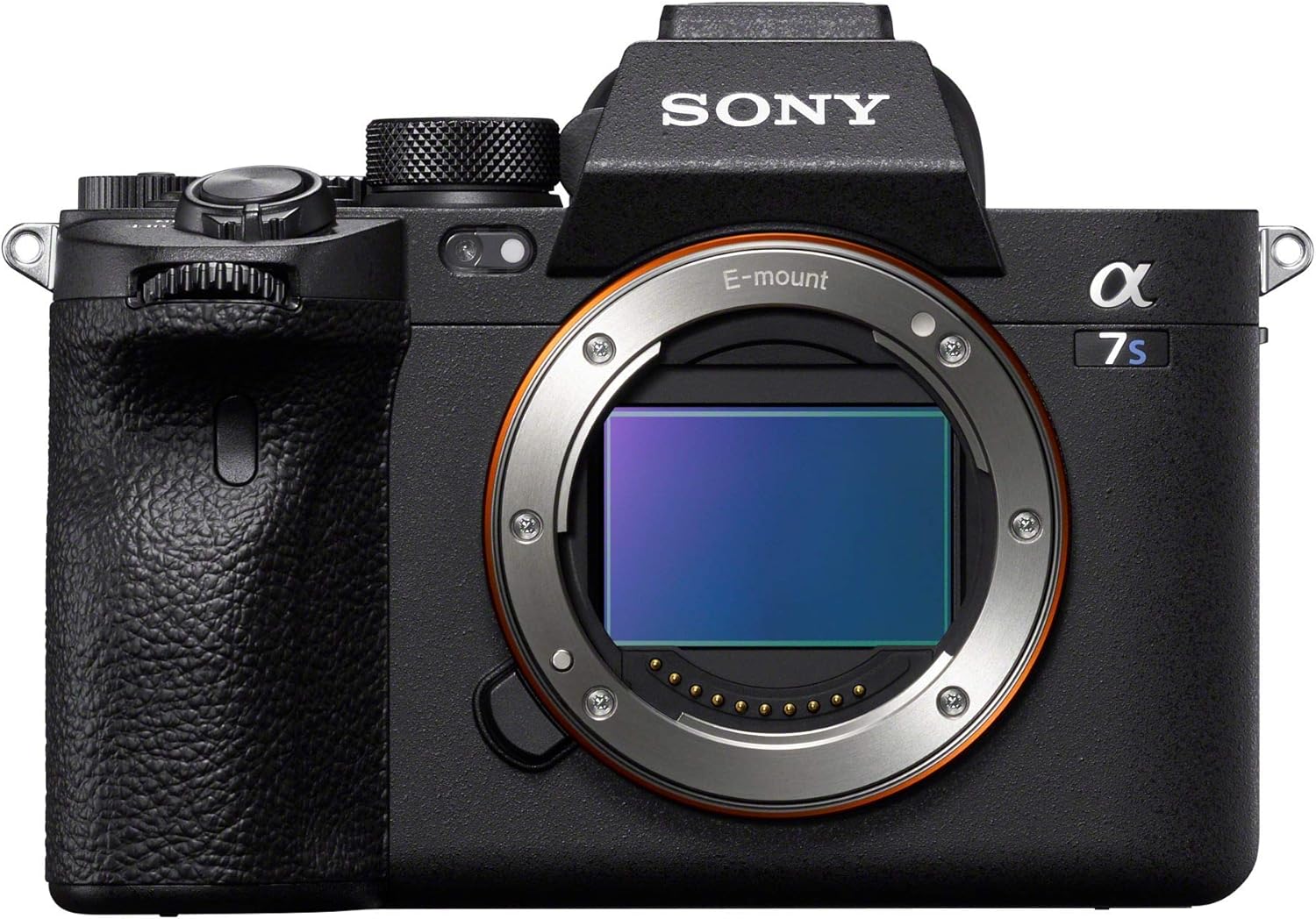
The A9 III represents a breakthrough in camera technology as the world’s first full-frame global shutter camera, eliminating rolling shutter distortion while delivering 120fps burst shooting.
The a7R V’s 61-megapixel sensor captures incredible detail for landscapes and studio work with cutting-edge AI autofocus. At the same time, the A1 II delivers professional flagship performance with 30fps burst shooting for sports and wildlife photographers.
Content creators will love the a6700’s hybrid capabilities, combining APS-C portability with 4K 120p video and advanced autofocus, while the ZV-E10 II offers professional video features in an affordable, user-friendly package.
For those seeking maximum value, legacy models like the a7 III continue to provide exceptional performance, proving that older Sony cameras age gracefully and remain competitive choices at attractive prices.
Sony Full-Frame All-Rounders
Sony’s lineup has many specialized bodies, but for most people, it’s the daily walk-around camera that’s the best camera. I considre a good all-around camera to be one you can pick up for any subject. They might not be the most powerful cameras, but they’re a great choice to capture whatever comes your way.
These models excel at both stills and video, making them ideal for photographers who need one camera that can handle any situation, from portraits and landscapes to professional video work.
For more, and more affordable all-around Sony cameras, see the Sony Vlogging and Social Media category, where some of Sony’s best values can be found.

My review of the a7C II called it one of the best travel cameras ever made, and the best full-frame travel camera on the market today. I used the a7C II and the higher resolution a7C R on a photo safari to Brazil, and the performance was as good as the image quality. The a7C II proves that good things come in small packages, combining the same 33-megapixel sensor as the a7 IV in a remarkably compact rangefinder-style body. Even though it has the same sensor as the a7 V, it has Sony’s most recent AI-based autofocus, and in my… tests, it rarely misses a shot. There are human, animal, bird, insect, and vehicle autofocus subject recognitions. The a7 C II is so small that it doesn’t stand out, which is important when you’re travelling or walking around with it over your shoulder.
My review of the a7C II called it one of the best travel cameras ever made, and the best full-frame travel camera on the market today. I used the a7C II and the higher resolution a7C R on a photo safari to Brazil, and the performance was as good as the image quality.
The a7C II proves that good things come in small packages, combining the same 33-megapixel sensor as the a7 IV in a remarkably compact rangefinder-style body.
Even though it has the same sensor as the a7 V, it has Sony’s most recent AI-based autofocus, and in my tests, it rarely misses a shot. There are human, animal, bird, insect, and vehicle autofocus subject recognitions.
The a7 C II is so small that it doesn’t stand out, which is important when you’re travelling or walking around with it over your shoulder.
- Incredibly compact design for full-frame performance
- Same excellent 33MP sensor as the a7 IV
- Outstanding AI-powered autofocus with subject recognition
- 7-axis image stabilization (best in class)
- Professional 4K 60p video with 10-bit recording
- Front control dial added for better ergonomics
- Weather-sealed magnesium alloy construction
- Small EVF can feel cramped for extended use
- Single SD card slot only (no CFexpress support)
- A compact grip is less comfortable with large lenses
- No built-in flash
- Premium pricing despite compact positioning
- Sensor: 33MP full-frame Exmor R BSI CMOS
- Processor: BIONZ XR with dedicated AI processing unit
- Autofocus: 759-point phase detection with AI subject recognition
- Video: 4K 60p, 10-bit 4:2:2 internal recording
- Image Stabilization: 7-axis in-body stabilization
- Viewfinder: 0.39” OLED EVF (2.36M dots)
- LCD: 3.0” fully articulating touchscreen (1.04M dots)
- Battery: NP-FZ100 (530 shots)
- Burst Rate: 10fps continuous with AF/AE
- Dimensions: 4.9 x 2.8 x 2.5″ (124 x 71 x 63mm)
- Weight: 1.1 lb (514g) with battery

- Excellent 33MP full-frame sensor with great dynamic range
- Great for hybrid shooters
- Fast, accurate autofocus with real-time subject tracking
- Slightly heavier than some mirrorless competitors
- No built-in flash
- Can seem pricey
- Sensor: 33 MP full‑frame (back‑illuminated)
- Processor: BIONZ XR
- Autofocus: Phase Detection: 759, Contrast Detection: 425
- Video: 4K up to 60p (crop mode) / 4K 30p full‑frame; 10‑bit 4:2:2 internal
- Lens Mount: Sony E-mount
It feels strange to me how long the a7 IV has been Sony’s entry-level full-frame camera. But if it works, don’t mess with it, right? Many Sony fans are hoping for an a7 V, but I think this camera is here to stay. Even if an a7 V comes out, the a7 IV will still be a semi-affordable workhorse.
The a7 IV stands as Sony’s most accomplished hybrid camera, combining a high-resolution 33-megapixel sensor with professional video capabilities. It’s not the least expensive camera in Sony’s full-frame lineup, that distinction goes to the Sony a7C.
The a7 IV has sony’s EyeAF and subject detection capabilities, but lacks the full AI-based autofocus of its newer cameras. It’s still a powerful AF system, considered the most powerful AF on the market when the camera was released, but it’s not quite as powerful as the newer AI-based tracking.

- Class-leading auto-focusing abilities.
- Excellent video capabilities.
- 5-axis in-body image stabilization (IBIS)
- Good Image Quality.
- The menu system can be a little counterintuitive.
- Significant crop at 4K/120p slow-motion mode.
- Single SD card slot.
- A rolling shutter might be visible when panning quickly.
- Sensor: 26.0MP APS-C Exmor R BSI CMOS Sensor.
- Video: 4K/60p (oversampled from 6K, uncropped), 4K/120p (with 1.58x crop), Full HD (1080p)/240p.
- Codecs: XAVC S, XAVC HS (H.265/HEVC, H.264/MPEG-4), supports S-Log3, S-Cinetone, HLG.
- Audio: Built-in stereo microphone, 3.5 mm external mic input, 3.5 mm headphone output
- Connectivity: Wi-Fi, Bluetooth, USB-C, Micro-HDMI.
- Storage: Single SD/SDHC/SDXC (UHS-II) card slot.
- More Features: BIONZ XR Processor & AI Processing Unit, 5-Axis In-Body Image Stabilization (IBIS), AI-powered subject recognition AF, vari-angle touchscreen.
The Sony a6700’s combination of professional video features, compact size, and excellent autofocus makes it a compelling choice for creators who want traditional camera controls alongside advanced video capabilities, but in the smaller APS-C format.
The a6700 is Sony’s “flagship” APS-C camera, with almost as many features as Sony’s higher end full-frame cameras. This was the first APS-C in Sony’s lineup with the company’s AI-based autofocus, and the control layout is improved over the previous top-end APS-C the Sony a6600.
Creators can choose between Sony’s high-quality video formats S-Log3, S-Cinetone, and HLG. If those terms don’t mean anything, just know that this camera packs the image and color reproduction of Sony’s high-end cinema cameras.
The a6700 also features AI-based subject recognition for reliable tracking and has excellent with in-body image stabilization for smoother handheld footage. It offers unlimited recording time, digital audio through Sony’s Multi Interface Shoe, and full support for external microphones and HDMI output for professional workflows.

Though replaced by the a6700, the a6600 remains a compelling choice for photographers who prioritize still image quality and battery life over the latest video features. With in-body stabilization and exceptional battery performance, it’s particularly appealing at current discounted prices.
- Exceptional battery life (720 shots per charge)
- 5-axis in-body stabilization works with any lens
- Weather-sealed construction for outdoor shooting
- Real-time Eye AF works during video recording
- 3.5mm headphone jack for audio monitoring
- No recording time limits for video
- Limited to 8-bit 4K video recording
- A tilting screen is less versatile than a fully articulating design
- Significant rolling shutter in 4K modes
- Older processor lacks AI subject recognition
- Smaller buffer than the a6500 predecessor
- Sensor: 24.2MP APS-C Exmor CMOS
- Processor: BIONZ X
- Autofocus: 425-point phase detection with Real-time Eye AF
- Video: 4K 30p, 8-bit internal recording
- Image Stabilization: 5-axis in-body stabilization (5 stops)
- Viewfinder: 0.39” OLED EVF (2.36M dots)
- LCD: 3.0” tilting touchscreen (922k dots)
- Battery: NP-FZ100 (720 shots, 140 min video)
- Burst Rate: 11fps continuous with AF/AE
- Dimensions: 4.7 x 2.6 x 2.7″ (120 x 67 x 69mm)
- Weight: 1.1 lb (503g) with battery
- Price: $1,198-1,398 (varies by retailer)
Though replaced by the a6700, the a6600 remains a compelling choice for photographers who prioritize still image quality and battery life over the latest video features. With in-body stabilization, it’s particularly appealing at current discounted prices.
Sony Compact/Travel Cameras
When you need ultimate portability without sacrificing image quality, Sony’s compact cameras deliver professional features in pocket-sized packages. These cameras are perfect for travel, street photography, and situations where you need exceptional performance in the smallest possible form factor.
My review of the a7C II called it one of the best travel cameras ever made, and the best full-frame travel camera on the market today. I used the a7C II and the higher resolution a7C R on a photo safari to Brazil, and the performance was as good as the image quality.
The a7C II proves that good things come in small packages, combining the same 33-megapixel sensor as the a7 IV in a remarkably compact rangefinder-style body.
Even though it has the same sensor as the a7 V, it has Sony’s most recent AI-based autofocus, and in my tests, it rarely misses a shot. There are human, animal, bird, insect, and vehicle autofocus subject recognitions.
The a7 C II is so small that it doesn’t stand out, which is important when you’re travelling or walking around with it over your shoulder.
- Incredibly compact design for full-frame performance
- Same excellent 33MP sensor as the a7 IV
- Outstanding AI-powered autofocus with subject recognition
- 7-axis image stabilization (best in class)
- Professional 4K 60p video with 10-bit recording
- Front control dial added for better ergonomics
- Weather-sealed magnesium alloy construction
- Small EVF can feel cramped for extended use
- Single SD card slot only (no CFexpress support)
- A compact grip is less comfortable with large lenses
- No built-in flash
- Premium pricing despite compact positioning
- Sensor: 33MP full-frame Exmor R BSI CMOS
- Processor: BIONZ XR with dedicated AI processing unit
- Autofocus: 759-point phase detection with AI subject recognition
- Video: 4K 60p, 10-bit 4:2:2 internal recording
- Image Stabilization: 7-axis in-body stabilization
- Viewfinder: 0.39” OLED EVF (2.36M dots)
- LCD: 3.0” fully articulating touchscreen (1.04M dots)
- Battery: NP-FZ100 (530 shots)
- Burst Rate: 10fps continuous with AF/AE
- Dimensions: 4.9 x 2.8 x 2.5″ (124 x 71 x 63mm)
- Weight: 1.1 lb (514g) with battery
The a7C II’s remarkably compact rangefinder design makes it one of the best travel cameras available, ever. It combines full-frame image quality with a body barely larger than APS-C competitors. Its 33-megapixel sensor and professional features in an ultra-portable package make it ideal for serious travel photography.
If you prioritize capture speed and want a sensor with better low-light performance, the a7CR, below, is a better choice. For more of our thoughts on the Sony a7C II, see the Best Sony Full-Frame All-Arounder section, above.

I took this camera and the Sony a9 II with me to Brazil to photograph jaguars, and I ended up nearly exclusively using this camera. That’s because the resolution gave me the room to crop a photo without losing detail. The 200-600mm lens I brought was more like a 200mm-800mm lens, thanks to the ability to crop in.
The autofocus in the a7CR is better than the then-current a9 II, so I only used the a9 II when I needed its blazing burst rates.
Sony’s high-resolution compact full-frame camera packs a massive 61-megapixel sensor into the same tiny body as the a7C II. It’s the ultimate travel camera for photographers who need maximum detail and resolution while maintaining portability.
- Massive 61MP resolution in a remarkably compact body
- Same AI-powered autofocus as flagship cameras
- 8-axis image stabilization (best in class)
- Professional video features in travel-friendly package
- Weather-sealed construction for outdoor adventures
- Excellent dynamic range for challenging lighting
- Premium pricing for a high-resolution sensor
- Large 61MP files require significant storage and processing power
- A single SD card slot may limit professional workflows
- The small EVF and grip are less comfortable for extended use
- Reduced burst rate compared to lower-resolution models
- Sensor: 61MP full-frame Exmor R BSI CMOS
- Processor: BIONZ XR with dedicated AI processing unit
- Autofocus: 759-point phase detection with AI subject recognition
- Video: 4K 60p, 10-bit 4:2:2 internal recording
- Image Stabilization: 8-axis in-body stabilization
- Viewfinder: 0.39” OLED EVF (2.36M dots)
- LCD: 3.0” fully articulating touchscreen (1.04M dots)
- Battery: NP-FZ100 (490 shots)
- Burst Rate: 8fps continuous with AF/AE
- Dimensions: 4.9 x 2.8 x 2.5″ (124 x 71 x 63mm)
- Weight: 1.1 lb (515g) with battery
I took this camera and the Sony a9 II with me to Brazil to photograph jaguars, and I ended up nearly exclusively using this camera. That’s because the resolution gave me the room to crop a photo without losing detail. The 200-600mm lens I brought was more like a 200mm-800mm lens, thanks to the ability to crop in.
The autofocus in the a7CR is better than the then-current a9 II because this model has the AI-based subject tracking of newer models, so I only used the a9 II when I needed its blazing burst rates.
Sony’s high-resolution compact full-frame camera packs a massive 61-megapixel sensor into the same tiny body as the a7C II. It’s the ultimate travel camera for photographers who need maximum detail and resolution while maintaining portability.
If you prioritize capture speed, and want a sensor with better low-light performance, the a7C II is a better choice.

My favorite truly compact camera of all time, the RX100 VII, looks like a point-and-shoot, but it has every feature you would want in a pocketable travel camera. The image quality is good enough to capture anything from portraits to a kid’s soccer game.
It crams a 1-inch sensor and 24-200mm equivalent zoom lens into a body smaller (at least width and length) than many smartphones, and the image quality is better than a smartphone to boot.
- Incredible 24-200mm zoom range in a tiny package
- 1-inch sensor delivers excellent image quality
- Lightning-fast 0.02-second autofocus
- Real-time Eye AF and tracking for humans and animals
- Pop-up EVF provides precise framing in bright light
- Professional features like 4K video and RAW capture
- 20fps blackout-free shooting
- Premium pricing for a compact camera
- SA smallgrip can be difficult for larger hands
- Battery life is limited with the tiny NP-BX1 battery
- No built-in flash (pop-up removed for EVF)
- A complex menu system requires a learning curve
- Corner softness at the telephoto end
- Sensor: 20.1MP 1” stacked Exmor RS CMOS
- Processor: BIONZ X with front-end LSI
- Lens: 24-200mm f/2.8-4.5 ZEISS Vario-Sonnar T*
- Autofocus: 357 phase-detection + 425 contrast-detection points
- Video: 4K 30p, Full HD 120p for slow motion
- Viewfinder: Pop-up 0.39” OLED EVF (2.36M dots)
- LCD: 3.0” tilting touchscreen (921k dots)
- Burst Rate: 20fps continuous, 90fps single burst
- Image Stabilization: 4-stop Optical SteadyShot
- Dimensions: 4.0 x 2.3 x 1.7″ (102 x 58 x 43mm)
- Weight: 0.67 lb (302g) with battery
My favorite truly compact camera of all time, the RX100 VII, looks like a point-and-shoot, but it has every feature you would want in a pocketable travel camera. The image quality is good enough to capture anything from portraits to a kid’s soccer game.
It crams a 1-inch sensor and 24-200mm equivalent zoom lens into a body smaller (at least width and length) than many smartphones, and the image quality is better than a smartphone to boot.
Because Sony’s newest all-in-one bodies are so video-centric, this might be the last true all-around compact body from Sony. Luckily it’s still in production, so it will be available for size-concious shooters for years to come.

- High Quality Sony video.
- Compact and lightweight.
- Reliable Autofocusing abilities.
- Fully articulating screen.
- Solid built-in stereo microphone and a port for an external microphone.
- No Image Stabilization (IBIS).
- Lack of an Electronic Viewfinder.
- Limited manual controls and buttons.
- No headphone jack to monitor audio levels.
- Sensor: 20.1MP 1″, Type Exmor RS BSI CMOS Sensor.
- Lens: ZEISS Vario-Sonnar T* 18-50mm (35mm Equivalent) f/1.8-4 Lens.
- Video: 4K/30p, Full HD (1080p)/120p.
- Codecs: XAVC S (H.264).
- Features: Cinematic Vlog setting, Product Showcase mode, Background Defocus, Soft Skin Effect, Multi-Face Recognition.
- Audio: Built-in 3-capsule directional microphone with windscreen, 3.5 mm external mic input.
- Connectivity: Wi-Fi, Bluetooth, USB-C, Micro-HDMI.
- Storage: Single SD/SDHC/SDXC/Memory Stick Duo Hybrid card slot.
The ZV-1 II brings vlogging-focused features to the travel camera market with its ultra-wide 18-50mm lens and content creator optimizations. While designed for video, it’s also an excellent compact camera for casual photography and travel documentation. If you’re looking to prioritize video over still, this is the camera. If you are a photo-first shooter, the RX100 VI is the same body size, but more tailored to stills.
The ZV-1 II dropped the In-Body Image Stabilization found on the ZV-1, a real shame in my opinion as handheld vlogging really needs good stabilization to make good footage. There is digital image stabilization, which is good but crops the footage.
But it’s a perfect APS-C camera for the creator mostly doing studio work with occasional walk-and-talk shooting.
The ZV-1, whic is still on the market, has IBIS, so might be a better choice if you’re giong to do mostly selfie-style videos.
Sony Vlogging and Social Media Creator Cameras
Content creators need cameras that prioritize video quality, ease of use, and creator-friendly features. Sony’s ZV series was explicitly designed for vloggers and content creators, offering flip-out screens, directional microphones, and streamlined controls that make solo shooting effortless.

The ZV-E10 II transforms Sony’s vlogging expertise into an exceptional entry-level camera that excels at both content creation and traditional photography. With the same 26-megapixel sensor found in Sony’s premium a6700, this camera delivers far more performance than its price suggests, making it our top budget pick.
I typically recommend this to YouTube and social media creators, but it’s also a great entry-level camera for photographers and videographers. The ergonomics are definitely aimed at video, so this one is best for someone shooting more video than stills.
Because of the high-end video features, this one isn’t exactly “budge,t” but it’s a tremendous entry point for someone looking for a well-priced YouTube studio camera.
- Same advanced sensor as the $1,400 a6700
- Excellent 4K video quality with 10-bit recording
- Outstanding battery life with NP-FZ100
- Built-in directional microphone and vlogging features
- Compact, lightweight design perfect for travel
- No electronic viewfinder limits bright daylight use
- No in-body image stabilization
- Can overheat during extended 4K recording
- An electronic-only shutter causes rolling shutter issues
- Sensor: 26MP APS-C Exmor R BSI CMOS
- Processor: BIONZ XR
- Autofocus: 759-point phase detection with Real-time Eye AF
- Video: 4K 60p, 10-bit internal recording
- Viewfinder: None (LCD only)
- LCD: 3.0” fully articulating touchscreen (1.04M dots)
- Battery: NP-FZ100 (610 shots, 195 min video)
- Dimensions: 4.76 x 2.68 x 2.13″ (121 x 68 x 54mm)
- Weight: 0.83 lb (377g) with battery
This is a camera I often recommend for the new YouTube or social media creator. The significant upgrades over the original model include 4K/60p recording with 10-bit color depth, a larger battery that provides much longer shooting time and advanced subject tracking that rivals much more expensive cameras.
The camera delivers professional video quality that competes with dedicated cinema cameras, while the comprehensive creator features like LUT support and S-Cinetone make post-production effortless.
If those terms aren’t familar to you, it just means the video features on this camera come right from Sony’s dedicated Cinema-style cameras. This is an APS-C vido powerhouse that’s perfect for the beginner YouTube or social media creator.
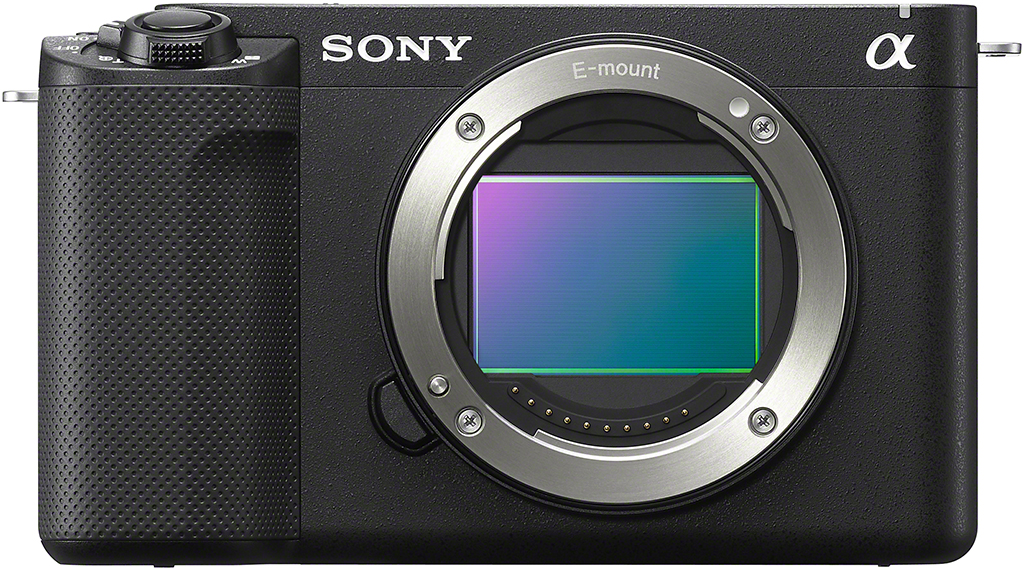
Sony’s full-frame entry into the vlogging market combines exceptional low-light performance with AI-powered features explicitly designed for solo creators. Until this camera came out, the ZV-E10 II was my pick for best video camera, and it still is for someone who wants the benefits of the APS-C sensor. But this has replaced that in my top pick for vlogging and social media creators.
The ZV-E1 brings cinema-quality video capabilities in a surprisingly compact full-frame body. The full-frame sensor delivers exceptional low-light performance that excels in indoor and nighttime scenarios.
The ZV-E1 has creator tools that most of Sony’s full-frame cameras don’t have. The AI Auto Framing feature automatically crops and tracks subjects. There’s also a product showcase mode and, if you’re feeling a bit wrinkly, a soft portrait mode.
The camera records professional 4K 120p video with 10-bit color depth for maximum post-production flexibility, and the Cinematic Vlog Setting provides cinema-quality color grading with minimal effort required. The 5-axis in-body stabilization produces smooth handheld footage without external gimbals, which is excellent for your video, though the premium pricing places it well above typical vlogging camera budgets.
- The full-frame sensor provides exceptional low-light performance that outclasses all APS-C alternatives
- The AI Auto Framing automatically tracks and crops subjects, maintaining perfect composition
- The professional 4K 120p recording with 10-bit color rivals dedicated cinema cameras
- The premium pricing exceeds most content creators ‘ budgets at over $2,000
- The lack of a viewfinder severely limits usability in bright outdoor conditions
- The 12MP resolution restricts cropping flexibility and detailed still photography
- Sensor: 12.1MP full-frame Exmor R BSI CMOS
- Processor: BIONZ XR with dedicated AI processing unit
- Autofocus: 759-point phase detection with AI subject recognition
- Image Stabilization: 5-axis in-body stabilization (5 stops)
- Viewfinder: None
- LCD: 3.0” fully articulating touchscreen (1.04M dots)
- Battery: NP-FZ100 (400 shots, 95 min video)
- Features: AI Auto Framing, Cinematic Vlog Setting, S-Cinetone
- Dimensions: 4.8 x 2.8 x 2.1″ (121 x 71 x 54mm)
- Weight: 1.0 lb (483g) with battery
Sony’s full-frame entry into the full-frame interchangeable lens vlogging market (the ZV-1 was their first vlog-style camera) combines exceptional low-light performance with AI-powered features designed for solo creators. Until this camera came out, the ZV-E10 II was my pick for best video camera, and it still is for someone who wants the benefits of the APS-C sensor. But this has replaced that in my top pick for vlogging and social media creators.
The ZV-E1 brings cinema-quality video capabilities in a surprisingly compact full-frame body. The full-frame sensor delivers exceptional low-light performance that excels in indoor and nighttime scenarios.
The ZV-E1 has creator tools that most of Sony’s full-frame cameras don’t have. The AI Auto Framing feature automatically crops and tracks subjects. There’s also a product showcase mode and, if you’re feeling a bit wrinkly, a soft portrait mode.
The camera records professional 4K 120p video with 10-bit color depth for maximum post-production flexibility, and the Cinematic Vlog Setting provides cinema-quality color grading with minimal effort required. The 5-axis in-body stabilization produces smooth handheld footage without external gimbals, which is excellent for your video, though the premium pricing places it well above typical vlogging camera budgets.
- Class-leading auto-focusing abilities.
- Excellent video capabilities.
- 5-axis in-body image stabilization (IBIS)
- Good Image Quality.
- The menu system can be a little counterintuitive.
- Significant crop at 4K/120p slow-motion mode.
- Single SD card slot.
- A rolling shutter might be visible when panning quickly.
- Sensor: 26.0MP APS-C Exmor R BSI CMOS Sensor.
- Video: 4K/60p (oversampled from 6K, uncropped), 4K/120p (with 1.58x crop), Full HD (1080p)/240p.
- Codecs: XAVC S, XAVC HS (H.265/HEVC, H.264/MPEG-4), supports S-Log3, S-Cinetone, HLG.
- Audio: Built-in stereo microphone, 3.5 mm external mic input, 3.5 mm headphone output
- Connectivity: Wi-Fi, Bluetooth, USB-C, Micro-HDMI.
- Storage: Single SD/SDHC/SDXC (UHS-II) card slot.
- More Features: BIONZ XR Processor & AI Processing Unit, 5-Axis In-Body Image Stabilization (IBIS), AI-powered subject recognition AF, vari-angle touchscreen.
While not specifically designed for vlogging, the a6700’s combination of professional video features, compact size, and excellent autofocus makes it a goog choice for creators who want traditional camera controls and advanced video capabilities.
It’s a 4K 120p recording, and AI subject recognition provides professional-grade features in an APS-C body.
For more of our specs and thoughts about the a6700, see the Best All-Arounder, above.
Sony High-Resolution Cameras
For photographers who need maximum detail and resolution, Sony’s R-series cameras deliver exceptional image quality with sensors ranging from 42 to 61 megapixels. These cameras excel at landscape photography, architectural work, commercial shooting, and any application where fine detail and heavy cropping capability are essential.

This is the camera I use for my YouTube video studio work, and I use it to test most of the Sony-format lenses we review.
The a7R V has the best of Sony’s high-resolution technology, combining a 61-megapixel sensor with AI subject detection. The camera delivers exceptional image quality with improved noise performance over its predecessor, while the dedicated AI processing unit provides subject recognition that rivals Sony’s flagship sports cameras. I took this camera to shoot wildlife before the a9 III was launched, since the a7R V had better subject detection.
The enhanced 8-axis in-body stabilization system (most of Sony’s cameras have five stops of stabilization) compensates for the challenges of shooting with such high resolution. The camera also offers comprehensive video capabilities, including 8K recording and 4K oversampling, making it surprisingly versatile for my hybrid work despite its resolution focus.
- The massive 61MP resolution provides unmatched detail and cropping flexibility for demanding applications
- The AI-powered subject recognition delivers flagship-level autofocus performance for wildlife and sports
- The 8-axis stabilization system is the most advanced available, crucial for handheld high-resolution work
- The enormous file sizes require substantial storage space and powerful processing hardware
- The premium pricing exceeds $3,500, making it accessible only to serious professionals
- The battery life decreases significantly when using full resolution with all stabilization features active
- Sensor: 61MP full-frame Exmor R BSI CMOS
- Processor: BIONZ XR with dedicated AI processing unit
- Autofocus: 693-point phase detection with AI subject recognition
- Video: 8K 24p, 4K 60p, 10-bit 4:2:2 internal recording
- Image Stabilization: 8-axis in-body stabilization (8 stops)
- Viewfinder: 0.90” OLED EVF (9.44M dots, 120fps)
- LCD: 3.2” 4-axis multi-angle touchscreen (2.10M dots)
- Battery: NP-FZ100 (530 shots)
- Burst Rate: 10fps continuous with AF/AE
- Dynamic Range: ~15 stops
- Dimensions: 5.2 x 3.9 x 3.2″ (131 x 97 x 82mm)
- Weight: 1.6 lb (723g) with battery
This is the camera I use for my YouTube video studio work, and I use it to test most of the Sony-format lenses we review.
The a7R V has the best of Sony’s high-resolution technology, combining a 61-megapixel sensor with AI subject detection. The camera delivers exceptional image quality with improved noise performance over its predecessor, while the dedicated AI processing unit provides subject recognition that rivals Sony’s flagship sports cameras. I took this camera to shoot wildlife before the a9 III was launched, since the a7R V had better subject detection.
The enhanced 8-axis in-body stabilization system (most of Sony’s cameras have five stops of stabilization) compensates for the challenges of shooting with such high resolution. The camera also offers comprehensive video capabilities, including 8K recording and 4K oversampling, making it surprisingly versatile for my hybrid work despite its resolution focus.
I took this camera and the Sony a9 II with me to Brazil to photograph jaguars, and I ended up nearly exclusively using this camera. That’s because the resolution gave me the room to crop a photo without losing detail. The 200-600mm lens I brought was more like a 200mm-800mm lens, thanks to the ability to crop in.
The autofocus in the a7CR is better than the then-current a9 II, so I only used the a9 II when I needed its blazing burst rates.
Sony’s high-resolution compact full-frame camera packs a massive 61-megapixel sensor into the same tiny body as the a7C II. It’s the ultimate travel camera for photographers who need maximum detail and resolution while maintaining portability.
- Massive 61MP resolution in a remarkably compact body
- Same AI-powered autofocus as flagship cameras
- 8-axis image stabilization (best in class)
- Professional video features in travel-friendly package
- Weather-sealed construction for outdoor adventures
- Excellent dynamic range for challenging lighting
- Premium pricing for a high-resolution sensor
- Large 61MP files require significant storage and processing power
- A single SD card slot may limit professional workflows
- The small EVF and grip are less comfortable for extended use
- Reduced burst rate compared to lower-resolution models
- Sensor: 61MP full-frame Exmor R BSI CMOS
- Processor: BIONZ XR with dedicated AI processing unit
- Autofocus: 759-point phase detection with AI subject recognition
- Video: 4K 60p, 10-bit 4:2:2 internal recording
- Image Stabilization: 8-axis in-body stabilization
- Viewfinder: 0.39” OLED EVF (2.36M dots)
- LCD: 3.0” fully articulating touchscreen (1.04M dots)
- Battery: NP-FZ100 (490 shots)
- Burst Rate: 8fps continuous with AF/AE
- Dimensions: 4.9 x 2.8 x 2.5″ (124 x 71 x 63mm)
- Weight: 1.1 lb (515g) with battery
Sony’s high-resolution compact full-frame camera packs the same massive 61-megapixel sensor as the a7R V into the remarkably compact a7C body design. The a7CR proves that maximum resolution doesn’t require maximum size.
It’s the ultimate travel camera for photographers who need exceptional detail in an ultra-portable package. The seven stops of image stabilization and AI-powered autofocus provide the same performance as the larger a7R V. At the same time, the compact rangefinder design makes it far more practical for extended handheld shooting and travel photography.
For our thoughts about the a7CR, see the Best Sony Compact/Travel Camera section, above.

The a7R IV marked Sony’s first leap to 61-megapixel resolution and remains an excellent high-resolution option at increasingly attractive used prices. While lacking the AI processing and advanced stabilization of newer models, it delivers the same core 61MP image quality that made it a professional favorite for several years.
If you’re a photographer looking for the highest resolution in Sony’s ecosystem, but doesn’t need the ultra-accurate AI-based subject tracking the a7R IV may be the perfect camera. In a portrait studio or out shooting landscapes, the AF is more than powerful enough to tackle your work.
This is one of the few cameras of a prior-generation I think is still a good choice for the target user, since it packs most of the features of the a7R V into a body that’s usually around $1000 cheaper than the a7R V.
Sony Video Cameras
Hybrid shooters need cameras that excel equally at both stills and video without compromise. Sony’s full-frame cameras lead the industry in hybrid capability, offering professional video features alongside exceptional still image quality, making them the go-to choice for content creators who refuse to choose between photography and videography excellence.

Sony’s low-light video specialist brings exceptional sensitivity and professional video features in a camera that also delivers excellent still image performance despite its modest 12-megapixel resolution. When the a7S III arrived, it had the most cutting-edge video features of any Sony camera. Many of the features of this camera are found in Sony’s more recent hybrid cameras, but the a7S III stands out for its low-light performance. Since the a7S III excels in challenging lighting conditions where other cameras struggle, it is invaluable for event photography, wedding receptions, and video work in available light situations. The full-frame sensor provides outstanding… low-light performance up to ISO 25,600 and beyond, while the advanced video features include 4K 120p recording and comprehensive professional controls. The 12-megapixel resolution is limiting for still photography work, but it delivers exceptional image quality with large individual pixels that capture incredible detail and dynamic range, making it a low-light champ. With Sony’s newest cameras having nearly all of the video features of the a7S III, it’s starting to show its age. I’m not sure if the a7S line will continue now that so many of Sony’s bodies have better video than their predecessors did.
Sony’s low-light video specialist brings exceptional sensitivity and professional video features in a camera that also delivers excellent still image performance despite its modest 12-megapixel resolution.
When the a7S III arrived, it had the most cutting-edge video features of any Sony camera. Many of the features of this camera are found in Sony’s more recent hybrid cameras, but the a7S III stands out for its low-light performance.
The low-light performance is good enough that in XXXX I used the a7S III to photograph the comet XXXX while handholding the camera. That’s a spectacular level of performance.
Since the a7S III excels in challenging lighting conditions where other cameras struggle, it is invaluable for event photography, wedding receptions, and video work in available light situations. The full-frame sensor provides outstanding low-light performance up to ISO 25,600 and beyond, while the advanced video features include 4K 120p recording and comprehensive professional controls. The 12-megapixel resolution may seem limiting, but it delivers exceptional image quality with large individual pixels that capture incredible detail and dynamic range, making it surprisingly capable for still photography when ultimate resolution isn’t required.
- The exceptionally low-light performance allows shooting in conditions impossible for other cameras
- The professional 4K 120p video recording with 10-bit color rivals dedicated cinema cameras
- The large individual pixels deliver outstanding dynamic range and image quality despite lower resolution
- The 12MP resolution limits cropping flexibility and detailed enlargement capabilities.
- The premium pricing reflects its specialized low-light and video focus
- The advanced video features may be overwhelming for photographers focused primarily on stills
- Sensor: 12.1MP full-frame Exmor R BSI CMOS
- Processor: BIONZ XR
- Autofocus: 759-point phase detection with Real-time Eye AF
- Video: 4K 120p, 10-bit 4:2:2 internal recording
- Image Stabilization: 5-axis in-body stabilization (5.5 stops)
- Viewfinder: 0.78” OLED EVF (9.44M dots, 120fps)
- LCD: 3.0” fully articulating touchscreen (1.44M dots)
- Battery: NP-FZ100 (600 shots, 95 min video)
- Burst Rate: 10fps continuous with AF/AE
- ISO Range: 80-102,400 (expandable to 40-409,600)
- Dimensions: 5.0 x 3.8 x 3.0″ (129 x 97 x 78mm)
- Weight: 1.4 lb (699g) with battery

It feels strange to me how long the a7 IV has been Sony’s entry-level full-frame camera. But if it works, don’t mess with it, right? Many Sony fans are hoping for an a7 V, but I think this camera is here to stay. Even if an a7 V comes out, the a7 IV will still be an affordable workhorse.
The a7 IV stands as Sony’s most accomplished hybrid camera, combining a high-resolution 33-megapixel sensor with professional video capabilities.
- Outstanding 33MP resolution, perfect for detailed work and cropping
- Excellent 4K 60p video with professional 10-bit recording
- Best Sony-in-class autofocus with Real-time Eye AF for humans, animals, and birds
- Superb low-light performance up to ISO 12,800
- Fully articulating screen ideal for video work
- Weather-sealed magnesium alloy construction
- Dual memory card slots (CFexpress Type A + SD)
- Premium pricing puts it near professional camera territory
- 10fps burst rate limited to lossy compression for full performance
- Rolling shutter effects in silent mode with moving subjects
- Large file sizes with 33MP resolution eat storage quickly
- Sensor: 33MP full-frame Exmor R BSI CMOS
- Processor: BIONZ XR
- Autofocus: 759-point phase detection with Real-time Eye AF
- Video: 4K 60p, 10-bit 4:2:2 internal recording
- Image Stabilization: 5.5-axis in-body stabilization
- Viewfinder: 0.78” OLED EVF (3.68M dots, 120fps)
- LCD: 3.0” fully articulating touchscreen (1.04M dots)
- Battery: NP-FZ100 (580 shots)
- Burst Rate: 10fps continuous with AF/AE
- Dynamic Range: ~15 stops
- Dimensions: 5.2 x 3.8 x 3.1″ (131 x 96 x 80mm)
- Weigh: 1.4 lb (658g) with battery
The a7 IV stands as Sony’s most accomplished hybrid camera, combining a high-resolution 33-megapixel sensor with professional video capabilities. This camera is getting older, but it is still the best “do everything” camera Sony makes.
It’s a perfect pick for someone looking to do a studio setup. It captures 4K 60p video recording with 10-bit color depth that’s easy to color grade.
The fully articulating touchscreen and comprehensive video features make it equally comfortable for photography sessions and video productions. At the same time, the outstanding autofocus system ensures sharp results whether shooting moving subjects or tracking focus during video recording.
See full details and specs in the Best Sony Full-Frame All-Rounder section.

Sony’s newest cinema camera combines the 33-megapixel sensor from the a7 IV with dedicated video features and an innovative tilting EVF design.
The FX2 clearly represents Sony’s vision for hybrid filmmaking, offering genuine dual-mode operation with a dedicated switch between video and still photography modes. I wouldn’t recommend this to a photos-first creator, but for someone shooting video with the need for high-quality product shots or b-roll images, it’s a great choice.
The camera delivers exceptional 4K video quality through 7K oversampling in full-frame mode, while the dual base ISO of 800/4000 provides excellent low-light performance in S-Log3. The built-in tilting EVF and deeper grip make it more ergonomic than previous FX models, while the AI-powered autofocus with real-time subject recognition is the same in Sony’s flagship cameras. The FX2 excels at extended recording sessions with enhanced cooling and can capture high-quality 33-megapixel stills when needed, making it a true hybrid tool for professional creators.
- The 33MP sensor delivers exceptional 4K video quality through 7K oversampling while providing high-resolution stills capability
- The innovative tilting EVF and cinema-focused ergonomics improve usability for professional video work
- The genuine dual-mode operation with dedicated photo/video switch makes it a true hybrid camera
- The 4K 60p recording is limited to Super 35 crop mode, reducing full-frame advantages.
- The rolling shutter performance lags behind competitors for fast-moving subjects.s
- The premium pricing approaches dedicated cinema camera territory while lacking some professional features.
- Sensor: 33MP full-frame Exmor R BSI CMOS
- Processor: BIONZ XR with dedicated AI processing unit
- Autofocus: AI-powered Real-time Recognition AF
- Video: 4K 60p (Super 35 crop), 4K 30p (full-frame), 10-bit 4:2:2 internal
- Image Stabilization: Active Mode and Dynamic Active Mode
- Viewfinder: 3.68M-dot OLED EVF (tilting 0-90°)
- LCD: 3.0” touchscreen
- Battery: NP-FZ100 (150 min video recording)
- Features: S-Cinetone, 16 user LUTs, dual base ISO 800/4000
- Dimensions: 5.1 x 2.9 x 3.3″ (129 x 73 x 84mm)
- Weight: 1.3 lb (594g) with battery
Sony’s newest hybrid-style cinema camera combines the 33-megapixel sensor from the a7 IV with dedicated video features and an innovative tilting EVF design.
The FX2 clearly represents Sony’s vision for hybrid filmmaking. I wouldn’t recommend this to a photos-first creator, but for someone shooting video with the need for high-quality product shots or b-roll images, it’s a great choice.
The camera delivers exceptional 4K video quality through 7K oversampling in full-frame mode. That oversampling means the 4K footage comes form a much-higher-resolution sensor, and when scaled down to 4K in camera, the result is better looking than a camera that captures natively in 4K.
The built-in tilting EVF and deeper grip make it more ergonomic than previous FX models, while the AI-powered autofocus with real-time subject recognition is the same in Sony’s flagship cameras. The FX2 excels at extended recording sessions with enhanced cooling and can capture high-quality 33-megapixel stills when needed, making it a true hybrid tool for professional creators.
As part of Sony’s FX lineup, this camera has every video feature you could need, and footage is identical to that captured on the more expensive FX cameras.

- Ultra-compact design perfect for handheld and gimbal work
- Professional S-Cinetone color science matches high-end Sony cameras
- No recording time limits with excellent heat management
- Exceptional low-light performance inherited from A7S III
- No built-in electronic viewfinder
- Requires additional accessories for professional audio
- Limited physical controls compared to traditional cinema cameras
- Sensor: 12.1MP Full-Frame Back-Illuminated Exmor R CMOS
- Video: 4K/120p, 1080p/240p internal recording
- Codecs: XAVC S-I (10-bit 4:2:2), S-Cinetone, S-Log3
- Stabilization: 5-axis Active Mode stabilization
- Dynamic Range: 15+ stops in S-Log3
- Audio: XLR handle adapter, 3.5mm inputs
- Connectivity: Full-size HDMI, USB-C, multi-interface shoe
- Storage: CFexpress Type A + SD UHS-II slots
- Price: $3,898
Sony’s cinema-focused APS-C camera brings professional video features to a more affordable price point while maintaining excellent still image capability. The FX30 offers many of the same video features as full-frame cinema cameras but in a more compact and budget-friendly APS-C package, making professional video production accessible to more creators.
This is essentially the FX-3 (above) scaled down to a smaller APS-C form. This is an absolutely ideal camera for video creators, especially studio shooters or wedding and event producers. It has excellent image quality, great In-Body Image Stabilization, and customizable buttons all over the body, which allows for detailed customizability.
Sony Sports & Wildlife Cameras
Sports and wildlife photographers need cameras that combine blazing-fast burst rates, exceptional autofocus tracking, and professional build quality to capture fleeting moments.
Sony’s flagship cameras lead the industry in speed and subject detection, making them the top choice for photographers who demand split-second timing and reliability in challenging shooting conditions.

The Sony a9 III is the world’s first global shutter full-frame camera. A global shutter eliminates rolling shutter distortion while delivering unprecedented flash sync speeds and 120fps burst capabilities. I’ve shot extensively with the a9 III, and it’s a game-changing experience. AF is crazily good, and the image quality is superb. If you’re primarily a sports, fast-moving wildlife, or aviation photographer, this is the body for you. The A9 III represents a fundamental breakthrough in camera technology, allowing photographers to use flash at any shutter speed and capture action with zero distortion. The 24.6-megapixel sensor isn’t the highest resolution on… the market, but that makes it a superb camera for low light, something encountered by a lot of wildlife photographers.
The Sony a9 III is the world’s first global shutter full-frame camera. A global shutter eliminates rolling shutter distortion while delivering unprecedented flash sync speeds and 120fps burst capabilities.
I’ve shot extensively with the a9 III, and it’s a game-changing experience. AF is crazily good, and the image quality is superb. If you’re primarily a sports, fast-moving wildlife, or aviation photographer, this is the body for you.
The A9 III represents a fundamental breakthrough in camera technology, allowing photographers to use flash at any shutter speed and capture action with zero distortion. The 24.6-megapixel sensor isn’t the highest resolution on the market, but that makes it a superb camera for low light, something encountered by a lot of wildlife photographers.
- The global shutter technology eliminates rolling shutter distortion completely during fast action
- The unlimited flash sync speed capability opens new creative possibilities for mixed lighting scenarios
- The incredible 120fps burst rate captures moments impossible with traditional cameras
- The 24MP resolution limits cropping flexibility compared to higher-resolution alternatives
- The premium pricing matches the A1 II while offering lower resolution for specialized advantages.
- The shorter battery life requires careful power management during extended shooting sessions
- Sensor: 24.6MP full-frame global shutter Exmor RS CMOS
- Processor: BIONZ XR with dedicated AI processing unit
- Autofocus: 759-point phase detection with AI subject recognition
- Video: 4K 120p, 10-bit 4:2:2 internal recording
- Image Stabilization: 8-axis in-body stabilization (8 stops)
- Viewfinder: 0.90” OLED EVF (9.44M dots, 240fps)
- LCD: 3.2” 4-axis multi-angle touchscreen (2.10M dots)
- Battery: NP-FZ100 (400 shots)
- Burst Rate: 120fps continuous with AF/AE (blackout-free)
- Flash Sync: Any shutter speed (global shutter advantage)
- Dimensions: 5.4 x 3.8 x 3.2″ (136 x 97 x 83mm)
- Weight: 1.6 lb (759g) with battery
The Sony a9 III is the world’s first global shutter full-frame camera. A global shutter eliminates rolling shutter distortion while delivering unprecedented flash sync speeds and 120fps burst capabilities.
I’ve shot extensively with the a9 III, and it’s a game-changing experience. AF is crazily good, and the image quality is superb. If you’re primarily a sports, fast-moving wildlife, or aviation photographer, this is the body for you.
The A9 III represents a fundamental breakthrough in camera technology, allowing photographers to use flash at any shutter speed and capture action with zero distortion. The 24.6-megapixel sensor isn’t the highest resolution on the market, but that makes it a superb camera for low light, something encountered by a lot of wildlife photographers.

The A9 II is Sony’s professional workhorse built for pure speed, durability, and reliable autofocus. It retains the stacked full-frame sensor of the original A9 but upgrades its processor, shutter, connectivity, and workflow tools to meet pro demands. Burst shooting, refined body design, and faster transfer options make it ideal for fast action and environments where timing and consistency matter most. If you’re shooting sports, wildlife, or events, the A9 II gives you what you need reliably—even if it doesn’t chase every newer video gimmick.
- Excellent speed: 20 fps electronic + 10 fps mechanical with full AF/AE tracking keeps up in fast action scenarios.
- Superb autofocus system: 693 PD points + updated algorithms + Eye-AF/Real-time Tracking.
- Improved ergonomics, durability, and shutter design: better sealing, refined grip, more durable shutter mechanism ($\sim$500K actuations).
- Strong connectivity and pro workflow features: gigabit Ethernet, fast Wi-Fi, voice memo/tagging, dual UHS-II cards.
- Effective IBIS ($\approx$5.5 stops) helps with handheld shooting, especially useful with telephoto lenses.
- Moderate video capabilities: 4K only up to 30 fps; lacks cutting-edge video features like high frame rates, advanced log profiles.
- Relatively heavy and large compared to travel/hybrid Sony models; less ideal for lightweight or stealth shooting.
- Fixed buffer limits in RAW during very high burst sequences; storage demands are high given large files.
- No 8K video support; newer models may offer more future-proof video specs. (Note: depending on marketplace or firmware)
- Interface/menu system still dated compared to newer Sony cameras with more intuitive UX or AI features.
- Sensor: 24.2 MP full-frame Exmor RS CMOS stacked sensor
- Processor: Upgraded BIONZ X + front-end LSI chip
- Autofocus / AF Points: 693-point phase-detect + 425 contrast-detect; Real-time Eye AF, Real-time tracking
- Burst Shooting: 20 fps (electronic shutter), 10 fps (mechanical shutter) with AF/AE tracking
- In-Body Stabilization: 5-axis IBIS, about 5.5 stops effective compensation
- Video: 4K up to 30 fps; Full HD up to 120 fps
- Viewfinder / Screen: $\sim$3.69-3.76M-dot OLED EVF; 3.0-inch tilting touchscreen LCD ($\sim$1.44-1.44M dots)
- Media Slots: Dual UHS-II SD card slots
- Connectivity: Gigabit Ethernet (1000BASE-T), 5 GHz WiFi, USB-C (USB 3.2 Gen 1), voice memos / FTP transfer capabilities
If you have an unlimited budget, I can’t think of a better choice for you. The A1 II stands as Sony’s most advanced camera, combining a 50-megapixel sensor with 30fps burst shooting and cutting-edge AI-powered autofocus that can track subjects with fantastic accuracy.
The low-light performance isn’t as good as the a9 III, and it does occasionally suffer from rolling shutter, but the mechanical shutter eliminates rolling shutter issues.
The camera delivers professional-grade performance across every metric, from the lightning-fast subject detection that locks onto eyes even when partially obscured, to the 30 frames-per-second burst capabilities that capture 30 full-resolution RAW files without EVF blackout.
The enhanced in-body stabilization rated at 8.5 stops helps manage telephoto lenses essential for wildlife work, while the professional build quality and dual card slots ensure reliability during critical shoots. The AI processing unit provides subject recognition for humans, animals, birds, vehicles, and insects, making it equally capable whether shooting Olympic sprinters or a moose on the loose.
The A9 II is Sony’s professional workhorse built for pure speed, durability, and reliable autofocus. It retains the stacked full-frame sensor of the original A9 but upgrades its processor, shutter, connectivity, and workflow tools to meet pro demands. Burst shooting, refined body design, and faster transfer options make it ideal for fast action and environments where timing and consistency matter most. If you’re shooting sports, wildlife, or events, the A9 II gives you what you need reliably—even if it doesn’t chase every newer video gimmick.
- Excellent speed: 20 fps electronic + 10 fps mechanical with full AF/AE tracking keeps up in fast action scenarios.
- Superb autofocus system: 693 PD points + updated algorithms + Eye-AF/Real-time Tracking.
- Improved ergonomics, durability, and shutter design: better sealing, refined grip, more durable shutter mechanism ($\sim$500K actuations).
- Strong connectivity and pro workflow features: gigabit Ethernet, fast Wi-Fi, voice memo/tagging, dual UHS-II cards.
- Effective IBIS ($\approx$5.5 stops) helps with handheld shooting, especially useful with telephoto lenses.
- Moderate video capabilities: 4K only up to 30 fps; lacks cutting-edge video features like high frame rates, advanced log profiles.
- Relatively heavy and large compared to travel/hybrid Sony models; less ideal for lightweight or stealth shooting.
- Fixed buffer limits in RAW during very high burst sequences; storage demands are high given large files.
- No 8K video support; newer models may offer more future-proof video specs. (Note: depending on marketplace or firmware)
- Interface/menu system still dated compared to newer Sony cameras with more intuitive UX or AI features.
- Sensor: 24.2 MP full-frame Exmor RS CMOS stacked sensor
- Processor: Upgraded BIONZ X + front-end LSI chip
- Autofocus / AF Points: 693-point phase-detect + 425 contrast-detect; Real-time Eye AF, Real-time tracking
- Burst Shooting: 20 fps (electronic shutter), 10 fps (mechanical shutter) with AF/AE tracking
- In-Body Stabilization: 5-axis IBIS, about 5.5 stops effective compensation
- Video: 4K up to 30 fps; Full HD up to 120 fps
- Viewfinder / Screen: $\sim$3.69-3.76M-dot OLED EVF; 3.0-inch tilting touchscreen LCD ($\sim$1.44-1.44M dots)
- Media Slots: Dual UHS-II SD card slots
- Connectivity: Gigabit Ethernet (1000BASE-T), 5 GHz WiFi, USB-C (USB 3.2 Gen 1), voice memos / FTP transfer capabilities
The A9 II remains an excellent budget alternative to the flagship A9 III, offering many of the same core advantages at a significantly lower price point. While lacking the revolutionary global shutter technology, the A9 II delivers exceptional performance with its high-speed sensor readout that minimizes rolling shutter effects and enables 20fps blackout-free shooting.
The autofocus system was outstanding for its time, with reliable subject tracking, though it lacks the AI-powered subject recognition found in current models. The A9 II provides flagship-level speed and performance at a much more accessible price.
Best Sony Budget Cameras
Sony’s entry-level cameras prove you don’t need to spend thousands to get professional-quality images and video. These models combine Sony’s renowned autofocus technology with user-friendly features, making them perfect for beginners who want room to grow.

A flagship-grade AF in a camera you can actually afford
Despite being succeeded by the a7 IV, the a7 III remains one of the best camera values available. I’d say it offers about 70 percent of Sony’s modern camera performance at significantly lower cost. Its combination of excellent image quality, outstanding autofocus, and legendary battery life makes it perfect for budget-conscious professionals and enthusiasts.
The autofocus in the a7 III feels particularly old when I use it compared to the current crop of cameras. However, it is still an excellent value in portrait, landscape, or astrophotography cameras. If you’re looking to dip your toes in the Sony waters, this is my pick for the best place to start.
- Exceptional value for full-frame performance
- Outstanding autofocus system with 693 phase-detection points
- Incredible battery life (710 shots per charge)
- Excellent low-light performance up to ISO 12,800
- 4K video oversampled from 6K for sharp footage
- Proven reliability after years in the field
- Strong ecosystem of affordable lenses
- Limited to 8-bit 4K video recording at 30fps maximum
- Tilting LCD are less versatile than fully articulating screens
- The menu system feels dated compared to newer models
- Lower resolution sensor limits heavy cropping flexibility
- Sensor: 24.2MP full-frame Exmor R BSI CMOS
- Processor: BIONZ X
- Autofocus: 693-point phase detection with Eye AF
- Video: 4K 30p oversampled from 6K, 8-bit internal
- Image Stabilization: 5-axis in-body stabilization
- Viewfinder: 0.78” OLED EVF (2.36M dots)
- LCD: 3.0” tilting LCD (922k dots)
- Battery: NP-FZ100 (710 shots)
- Burst Rate: 10fps continuous with AF/AE
- Dynamic Range: ~15 stops
- Dimensions: 5.0 x 3.8 x 2.9″ (127 x 96 x 74mm)
- Weight: 1.4 lb (650g) with battery
Despite being succeeded by the a7 IV, the a7 III remains one of the best camera values available. I’d say it offers about 70 percent of Sony’s modern camera performance at significantly lower cost. Its combination of excellent image quality, outstanding autofocus, and legendary battery life makes it perfect for budget-conscious professionals and enthusiasts.
The autofocus in the a7 III feels particularly old when I use it compared to the current crop of cameras. However, it is still an excellent value in portrait, landscape, or astrophotography cameras. If you’re looking to dip your toes in the Sony waters, this is my pick for the best place to start.

When someone asks me about Sony’s APS-C cameras, I recommend the most recent a6700. If the goal is to get the most affordable APS-C lens possible, the a6000 is a solid choice.
Despite launching in 2014, the a6000 remains one of the best camera values available, offering flagship-level autofocus performance and image quality at prices often under $500.
- Outstanding autofocus performance (0.06-second acquisition)
- Impressive 11fps burst shooting
- Extremely compact and lightweight design
- Excellent image quality with great dynamic range
- Huge selection of affordable E-mount lenses available
- Proven reliability over 10+ years
- Limited to 1080p video recording
- Smaller NP-FW50 battery drains quickly
- No touchscreen functionality
- No microphone input jack
- Shows its age in low-light performance vs. newer models
- Sensor: 24.3MP APS-C Exmor CMOS
- Processor: BIONZ X
- Autofocus: 179-point phase detection + 25 contrast detection
- Video: 1080p Full HD (no 4K)
- Viewfinder: 0.39” OLED EVF (1.44M dots)
- LCD: 3.0” tilting LCD (922k dots)
- Battery: NP-FW50 (310 shots)
- Burst Rate: 11fps continuous
- Dimensions: 4.72 x 2.64 x 1.77″ (120 x 67 x 45mm)
- Weight: 0.76 lb (344g) with battery
When someone asks me about Sony’s APS-C cameras, I recommend the most recent a6700. If the goal is to get the most affordable APS-C lens possible, the a6000 is a solid choice.
Despite launching in 2014, the a6000 remains one of the best camera values available, offering flagship-level autofocus performance and image quality at prices often under $500.
See our full thoughts on the Sony a6600 in the Best All-Arounder section, above.
The ZV-E10 II transforms Sony’s vlogging expertise into an exceptional entry-level camera that excels at both content creation and traditional photography. With the same 26-megapixel sensor found in Sony’s premium a6700, this camera delivers far more performance than its price suggests, making it our top budget pick.
I typically recommend this to YouTube and social media creators, but it’s also a great entry-level camera for photographers and videographers. The ergonomics are definitely aimed at video, so this one is best for someone shooting more video than stills.
Because of the high-end video features, this one isn’t exactly “budge,t” but it’s a tremendous entry point for someone looking for a well-priced YouTube studio camera.
- Same advanced sensor as the $1,400 a6700
- Excellent 4K video quality with 10-bit recording
- Outstanding battery life with NP-FZ100
- Built-in directional microphone and vlogging features
- Compact, lightweight design perfect for travel
- No electronic viewfinder limits bright daylight use
- No in-body image stabilization
- Can overheat during extended 4K recording
- An electronic-only shutter causes rolling shutter issues
- Sensor: 26MP APS-C Exmor R BSI CMOS
- Processor: BIONZ XR
- Autofocus: 759-point phase detection with Real-time Eye AF
- Video: 4K 60p, 10-bit internal recording
- Viewfinder: None (LCD only)
- LCD: 3.0” fully articulating touchscreen (1.04M dots)
- Battery: NP-FZ100 (610 shots, 195 min video)
- Dimensions: 4.76 x 2.68 x 2.13″ (121 x 68 x 54mm)
- Weight: 0.83 lb (377g) with battery
The ZV-E10 II transforms Sony’s vlogging expertise into an exceptional entry-level camera that excels at both content creation and traditional photography. With the same 26-megapixel sensor found in Sony’s premium a6700, this camera delivers far more performance than its price suggests, making it our top budget pick.
I typically recommend this to YouTube and social media creators, but it’s also a great entry-level camera for photographers and videographers. The ergonomics are definitely aimed at video, so this one is best for someone shooting more video than stills.
Because of the high-end video features, this one isn’t exactly “budget” but it’s a tremendous entry point for someone looking for a well-priced YouTube studio camera.
Comparison Table
| Product | Price Range | Sensor / Resolution | Key Features | Special Capabilities |
| Sony ZV-1 II | $799–899 | 20.1MP 1-inch | 18–50mm f/1.8–4 lens, 4K video | Pocket vlogging camera with background defocus |
| Sony ZV-E10 II | $999–1,099 | 26MP APS-C | Flip screen, AI-based subject tracking | Best hybrid vlogging camera for creators |
| Sony a6700 | $1,399–1,499 | 26MP APS-C | 10-bit 4:2:2 video, AI AF | Compact hybrid camera for photo + video |
| Sony a7C II | $2,199–2,299 | 33MP Full-Frame | a7 IV internals, compact body | Best full-frame travel camera |
| Sony a7C R | $2,999–3,099 | 61MP Full-Frame | a7R V sensor, compact build | High-resolution travel camera |
| Sony a7 IV | $2,299–2,499 | 33MP Full-Frame | 10-bit video, refined color science | Best all-around full-frame hybrid |
| Sony a7R V | $3,899–3,999 | 61MP Full-Frame | AI subject recognition, 8K video | Best for detail-rich portraits & landscapes |
| Sony a7S III | $3,499–3,799 | 12MP Full-Frame | 4K/120p, dual card slots | Low-light and video powerhouse |
| Sony a9 III | $5,999–6,299 | 24.6MP Full-Frame (Global Shutter) | 120fps blackout-free shooting | Fastest Sony camera ever made |
| Sony a1 | $6,499–6,999 | 50.1MP Full-Frame (stacked sensor) | 8K video, 30fps burst | Flagship hybrid for pros needing speed & detail |
| Sony RX100 VII | $1,299–1,399 | 20.1MP 1-inch | 24–200mm zoom, 20fps burst | Pocket zoom camera for travel and street |
| Sony ZV-1F | $499–599 | 20.1MP 1-inch | Fixed 20mm lens, 4K video | Simplest Sony vlogging compact |
| Sony FX30 | $1,799–1,999 | 26MP APS-C (Cine) | S-Cinetone, dual CFexpress | Cinema-grade APS-C for filmmakers |
| Sony FX3 | $3,699–3,999 | 12MP Full-Frame (Cine) | 4K/120p, compact cine body | Pro video tool sharing DNA with a7S III |
FAQs
How important is in-body image stabilization (IBIS)?
IBIS helps compensate for small hand movements when shooting handheld. It’s most noticeable when recording video or shooting at slower shutter speeds with unstabilized lenses. If you work mostly on a tripod, it’s not essential, but for handheld or low-light work, it can make a real difference in image sharpness. Cameras lacked IBIS until the mirrorless age began, so it’s definitely not a requirement, but the same can be said for autofocus.
Do more megapixels automatically mean better quality?
Not always. A higher megapixel count gives you more detail and flexibility for cropping, but it can also increase noise in low light. For most photographers, 24 megapixels is plenty, while those shooting commercial work or weddings, or are making large fine art prints, may benefit from 45 megapixels or more.
What does a stacked or backside-illuminated (BSI) sensor do?
These designs improve how quickly the camera reads image data and how efficiently it captures light. Stacked sensors are faster than a traditional image sensor. This speed allows higher frame rates and better video readout, while BSI sensors perform better in low light. You’ll find these technologies in Canon’s higher-end cameras because they improve performance.
Why does rolling shutter matter for video?
Rolling shutter distortion happens because almost all cameras read the image off the sensor from top to bottom, causing fast-moving subjects or pans to look slanted or warped. IGlobal-shutter sensors eliminate it by reading every pixel simultaneously, but global shutter systems are very expensive.
What’s the benefit of Canon’s “color science?”
Canon cameras are known for producing natural-looking color right out of the camera, especially in skin tones. This comes down to how the sensor and processor interpret color data. It’s not about accuracy so much as a consistent, pleasing look that requires less correction in post-processing. You can make any two cameras have identical color reproduction through tweaking, it’s just that most people don’t want to fuss with their camera to get nice colors.
Is 8K video worth it if I only shoot in 4K?
Shooting in 8K allows you to crop, stabilize, or reframe your footage while still delivering in 4K. It also produces sharper 4K video when downsampled from 9K. The tradeoff is that 8K generates larger files, so it’s most useful for professional workflows.
Do I need a fast memory card for still photography?
If you shoot bursts or high-resolution video, yes. Fast cards clear the buffer more quickly and prevent dropped frames in high-bitrate recording. CFexpress and UHS-II SD cards are ideal for modern Canon bodies. For slower-paced shooting or travel photography, standard UHS-I cards are usually fine. See our Ultimate Memory Card guide for suggestions. https://www.imaging-resource.com/guides/ultimate-memory-cards-buyers-guide/
What’s the difference between mechanical and electronic shutters?*
A mechanical shutter uses physical curtains (just like on your windows) to expose the sensor, while an electronic shutter reads the sensor digitally without any moving parts. Electronic shutters are silent and allow faster burst rates, but they can introduce rolling shutter effects. Mechanical shutters handle motion better and are often preferred for flash photography.
How long will mirrorless cameras last compared to DSLRs?
Mirrorless cameras have fewer moving parts, so they tend to be more durable over time. Shutter mechanisms still have rated lifespans, but electronic shutters have no wear. As long as the sensor stays clean and the firmware is maintained, most mirrorless bodies will last many years of regular use, much longer than most DSLRs.
Glossary of Terms
10-bit Recording – Video recording that captures 10 bits of color information per channel instead of the standard 8-bit, providing over 1 billion colors versus 16.7 million. This dramatically improves color grading flexibility and reduces banding in smooth gradients like skies.
4:2:2 Color Sampling – A video format that samples color information at half the resolution horizontally but full resolution vertically, providing better color accuracy than 4:2:0 while maintaining manageable file sizes. Essential for professional color grading and chroma keying.
8K Recording – Video capture at 7680 x 4320 resolution, four times the detail of 4K. Sony cameras often oversample from even higher resolutions to deliver exceptionally sharp 8K footage with reduced noise and improved detail.
AI Processing Unit – A Dedicated chip in newer Sony cameras that handles artificial intelligence tasks like subject recognition, eye detection, and autofocus tracking without impacting the central processor’s performance.
All-Intra Recording – Video compression method where every frame is compressed independently (like taking individual photos) rather than referencing other frames. Produces larger files but enables precise frame-by-frame editing.
APS-C Sensor – Crop sensor format approximately 1.5x smaller than full-frame, providing a 1.5x focal length multiplier. Offers smaller camera bodies and lenses while maintaining excellent image quality, though with reduced low-light performance compared to full-frame.
BIONZ XR Processor – Sony’s latest image processing chip that enables fast burst shooting, advanced video recording, and AI-powered autofocus features while improving battery efficiency compared to older BIONZ X processors.
BSI (Back-Side Illuminated) Sensor – Sensor design where the wiring is placed behind the photodiodes rather than in front, allowing more light to reach each pixel. Results in better low-light performance and reduced noise compared to traditional front-illuminated sensors.
CFexpress Type A is a high-speed memory card format used in professional Sony cameras, offering faster write speeds than SD cards for high-bitrate video recording and fast burst photography. Smaller than CFexpress Type B cards.
Cinema Line – Sony’s dedicated video camera series (FX30, FX3, FX2, FX6, FX9), explicitly designed for filmmaking with cinema-focused features, enhanced cooling, and professional video workflows rather than hybrid photo/video operation.
Dual Base ISO – Technology that provides two optimal ISO settings where the sensor performs best, typically a lower ISO (like 800) for normal conditions and a higher ISO (like 3200-4000) for low light, minimizing noise at both settings.
Dynamic Range – The difference between the brightest and darkest parts of an image that a camera can capture simultaneously, measured in stops. More dynamic range allows recovery of detail in shadows and highlights during post-processing.
E-Mount – Sony’s lens mount system used across their mirrorless cameras, offering a wide selection of native lenses plus compatibility with adapters for other lens systems. The same mount works on both APS-C and full-frame bodies.
Exmor R/RS Sensor – Sony’s sensor technology names, with “R” indicating back-side illumination and “RS” indicating a stacked design with dedicated memory layers for faster readout speeds and reduced rolling shutter.
Eye AF (Autofocus) – Sony’s technology that automatically detects and focuses on human, animal, or bird eyes, maintaining sharp focus even when subjects move. Essential for portrait photography and video of people or animals.
FZ100 Battery – Sony’s high-capacity rechargeable battery used in most full-frame cameras and newer APS-C models, providing significantly longer shooting time than the older FW50 battery. Rated for 500-700+ shots depending on camera model.
Global Shutter – Revolutionary sensor technology in the A9 III that reads all pixels simultaneously rather than line-by-line, eliminating rolling shutter distortion and enabling flash sync at any shutter speed.
HEIF (High Efficiency Image Format) is a modern image format that provides better compression than JPEG while maintaining higher quality. Newer Sony cameras support it for more efficient storage of high-resolution images.
Hybrid AF – An autofocus system that combines phase-detection and contrast-detection methods, providing speed with phase-detection and ensuring accuracy with contrast-detection, especially for video recording.
IBIS (In-Body Image Stabilization) – Camera stabilization system that moves the sensor to counteract camera shake, working with any lens and providing up to 8+ stops of correction in Sony’s latest cameras. More effective than lens-only stabilization.
Log Recording (S-Log3) – Flat picture profile that captures the maximum dynamic range possible from the sensor, appearing washed out but providing extensive latitude for color grading in post-production. S-Log3 is Sony’s latest implementation.
LUT (Look-Up Table) – Color grading preset that transforms Log footage into a finished look, either technical (like converting S-Log3 to Rec 709) or creative (like film emulation). Newer Sony cameras can import custom LUTs.
Oversampling – Recording technique where the camera captures at a higher resolution than the final output, then downsamples for improved sharpness and reduced noise. For example, capturing 7K to produce a 4K video.
Phase-Detection AF – A fast autofocus method utilizing dedicated sensor pixels to detect focus, enabling rapid subject tracking and accurate focus during video recording. Sony cameras typically offer 400-750+ phase-detection points.
Pre-Capture – Feature that continuously buffers images before the shutter is pressed, allowing capture of moments that occurred before you pressed the button. Available on newer flagships like the A1 II.
ProRes – Professional video codec developed by Apple, offering high quality with manageable file sizes. Some Sony cameras can record ProRes internally or output it via HDMI to external recorders.
Real-Time Tracking – Sony’s AI-powered system that can identify and follow subjects automatically, maintaining focus even when they move erratically or become partially obscured. Works with humans, animals, vehicles, and other subjects.
Rolling Shutter – Artifact where fast-moving subjects appear skewed or “jello-like” because the sensor reads different lines at slightly different times. Global shutter technology eliminates this.
S-Cinetone – Sony’s built-in color profile that emulates the look of their professional cinema cameras, providing pleasing skin tones and cinematic color rendering straight out of camera without extensive color grading.
Stacked Sensor – Advanced sensor design with memory layers built directly onto the imaging chip, enabling breakneck readout speeds for features like 30fps burst shooting and reduced rolling shutter in video.
Subject Recognition – An AI-powered feature that automatically identifies various subjects (humans, animals, birds, cars, planes, etc.) and optimizes autofocus tracking without manual selection.
Super 35 Mode – Video recording mode that uses an APS-C crop from a full-frame sensor, often enabling higher frame rates or oversampling while maintaining compatibility with cinema lens standards.
XAVC – Sony’s professional video recording format family, including XAVC S (standard), XAVC HS (high efficiency), and XAVC S-I (intraframe), offering various levels of compression and quality for different workflow needs.