
Best Pro Hybrid Video Cameras Buyer’s Guide

Table of Contents
-
 Our Picks at a Glance
 -
Maximum Image Quality in Traditional Camera Bodies
-
Canon
-
Nikon
-
Panasonic
-
Sony
-
Professional Features in Compact, Affordable Bodies
-
Canon
-
Sony
-
Ultimate Portability with Professional Video Features
-
Panasonic
-
Full Frame (36mm x 24mm)
-
APS-C/Super35 (23.6mm x 15.6mm)
-
Micro Four Thirds (17.3mm x 13mm)
-
FAQs
The line between cameras for photography and filmmaking has nearly vanished. What once required a $20,000 cinema camera can now be done with gear small enough to fit in a backpack and for $4000 or much less.
Today’s video-focused mirrorless cameras deliver cinema-quality footage, advanced codecs, and pro-level autofocus—without sacrificing still-photo versatility. These hybrid models have become the go-to tools for filmmakers, YouTubers, and commercial shooters who want professional results in compact bodies.
This guide covers the best video-first and hybrid cameras where filmmaking performance drives the design. For larger, production-grade systems, see our companion guide: Best Pro Cine Cameras.
Our Picks at a Glance
-
 Best Overall Hybrid
Nikon Z6 III
- Sensor: 24.5 MP full‑frame partially‑stacked CMOS
- Processor : EXPEED 7
- Autofocus: 493-Point Phase-Detection AF
- Video: 6K N‑RAW (to 60p), 4K up to 120p, FHD up to 240p
-
 Best High-Resolution Hybrid
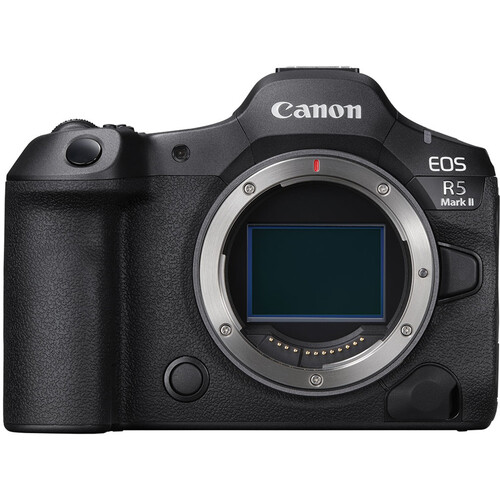
Canon EOS R5 Mark II Mirrorless Camera
- Sensor: 45MP full-frame stacked CMOS
- Processor: DIGIC X + DIGIC Accelerator
- Autofocus: Dual Pixel CMOS AF II with eye-control
- Video: 8K 60p, 4K 120p, unlimited recording
-
 Best Budget Full-Frame
Panasonic Lumix S5 II
- Sensor: 24.2 MP full‑frame CMOS
- Processor: Panasonic video engine variant
- Autofocus : 779-Point Phase-Detection AF System
- Video: 6K up to 30p, 4K up to 120p depending on mode; 10‑bit recording internal
-
 Best Content Creator Camera
Fujifilm X-S20
- Sensor: 26.1 MP APS‑C X‑Trans CMOS 4
- Processor: X‑Processor 5
- Autofocus: Hybrid AF with subject detection; Contrast Detection, Phase Detection: 117
- Vide: 6.2K up to 30p, 4K up to 60p (10‑bit), FHD up to 240p
-
 Best for Low Light
Sony A7S III
- Sensor: 12.1MP Full-Frame Back-Illuminated CMOS
- Processor: BIONZ XR image processor
- Autofocus: Fast Hybrid AF (759 points wide coverage)
- Video: 4K up to 120p (10‑bit 4:2:2 internal); Raw output via HDMI
-
 Best Professional Features
Panasonic Lumix S1 II
- Sensor: 24.1 MP partially‑stacked full‑frame CMOS
- Processor: Latest Panasonic S‑series engine
- Autofocus: Phase Hybrid Autofocus with 779 focus points
- Video: Open Gate 5.1K/60p, 4K up to 120p in some modes; internal ProRes RAW in supported modes
- Stabilization: 5-Axis IBIS up to 8 stops
- Storage: Dual SD UHS-II slots
-
 Best Sports/Wildlife
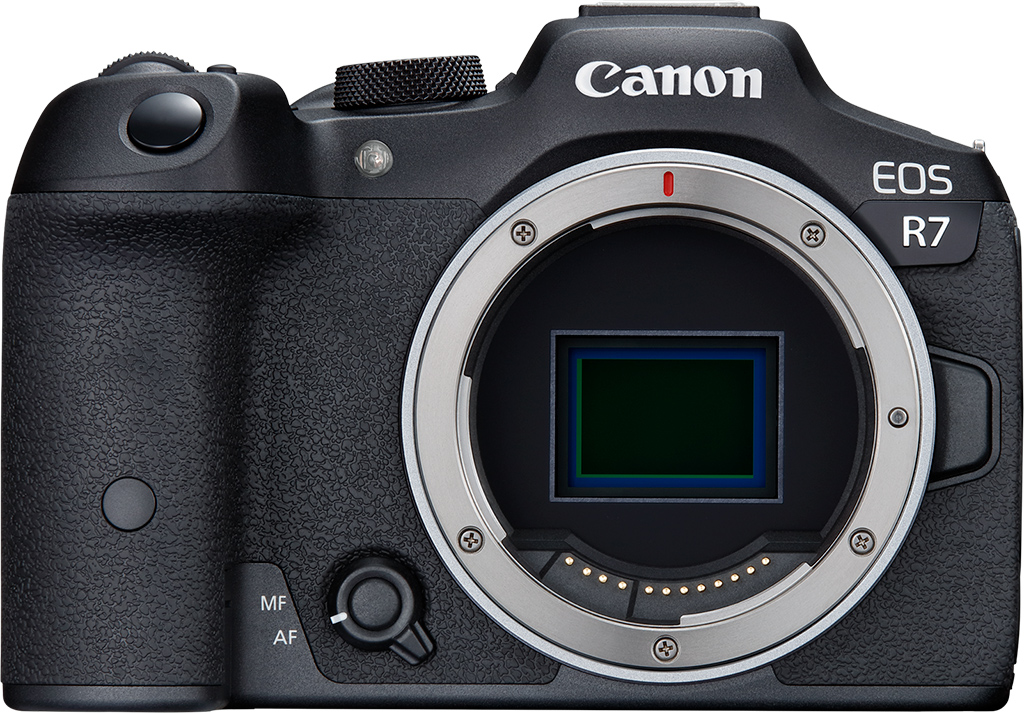
Canon EOS R7
- Sensor: 32.5MP APS-C CMOS
- Processor: DIGIC X
- Autofocus: Dual Pixel CMOS AF II with subject detection
- Video: 4K 60p uncropped, 1080p 120p
-
 Best Micro Four Thirds
Panasonic GH7
- Sensor: 25.2MP Micro Four Thirds Live MOS
- Processor: Venus‑variant engine
- Autofocus: 79 Points, Phase Hybrid Autofocus
- Video: 5.7K up to 60p; 4K 60p 4:2:2 10‑bit unlimited, ProRes RAW options
-
 Best Beginner APS-C
Canon EOS R50 V
- Sensor: 24 MP APS‑C CMOS
- Processor: DIGIC X
- Autofocus: Dual Pixel CMOS AF II
- Video: 4K 60p, 6K oversample to 4K, FHD 120p; Canon Log 3 / 10‑bit in modes
-
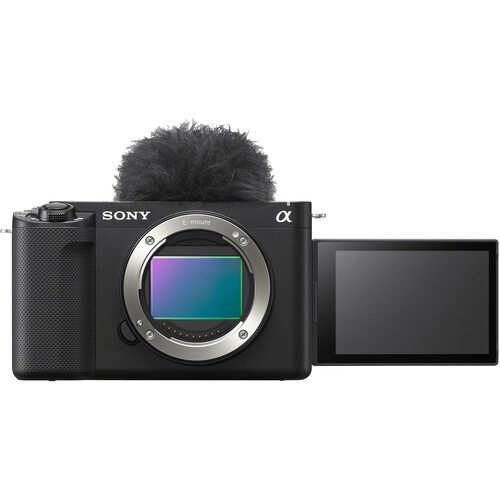
Sony ZV‑E1
- Sensor: 12.1 MP full‑frame Exmor R CMOS
- Processor: BIONZ XR
- Autofocus: Phase Detection: 759
- Video: 4K up to 120p, FHD up to 240p; 10‑bit 4:2:2 internal in many modes
Why Trust Us
I’ve been testing video cameras and production equipment for over a decade, covering everything from smartphone videography to professional cinema cameras for major publications. As a working filmmaker and content creator, I have used all of these hybrid cameras for commercial projects, documentaries, and online content. Our team has hands-on experience with every major camera manufacturer and has covered the evolution of digital video from its early days to today’s cinema-quality hybrid cameras.
While we haven’t tested all the cameras featured in this guide, they have been extensively tested in real-world production environments. We never accept payment for placement, and even though our articles contain affiliate links, they never influence our editorial rankings. Our recommendations are based on extensive testing, industry expertise, and feedback from working professionals across different video production disciplines.
Affiliate Disclaimer: We may earn a commission from purchases made through our links.
Hybrid Cameras – Full Frame
Maximum Image Quality in Traditional Camera Bodies
Full-frame hybrid cameras deliver the ultimate combination of high-resolution stills and professional video capabilities. The large sensor provides exceptional low-light performance, shallow depth of field control, and superior image quality that satisfies both photographers and videographers. These cameras excel in professional environments where image quality cannot be compromised.
Canon

Professional hybrid shooters who need maximum resolution for both stills and video, commercial photographers expanding into video, and high-end content creators requiring flagship performance.
- Internal 8K and Canon RAW Light recording
- Exceptional 45MP stills quality alongside video
- An advanced stacked sensor eliminates rolling shutter
- Professional color science and unlimited recording
- Premium pricing for flagship features
- Large file sizes require significant storage investment
- A complex feature set may overwhelm beginners
- Sensor: 45 MP full‑frame stacked BSI CMOS
- Processor: DIGIC X + DIGIC Accelerator
- Autofocus: Dual Pixel Intelligent AF (eye control, wide coverage)
- Video: 8K up to 60p (RAW in‑camera), 4K up to 120p; bit‑depth depends on mode
This is the camera I recommend most often to photographers who do still photography that requires a high-resolution sensor and are also video creators. This flagship hybrid camera features Canon’s most advanced video capabilities in a traditional camera body. Built around a 45MP stacked CMOS sensor with lightning-fast readout speeds, the R5 Mark II delivers internal 8K recording and Canon RAW Light codec support that rivals dedicated cinema cameras. Advanced features include unlimited 4K recording, internal Canon RAW Light recording, and professional color grading options, while the stacked sensor eliminates rolling shutter issues even at high frame rates.
Nikon

This camera will satisify hybrid shooters seeking cutting-edge technology at reasonable prices, content creators who need 6K recording capability, and professionals wanting flagship performance without flagship pricing.
The Nikon Z6 III is a full-frame mirrorless body that pairs a 24.5 MP partially-stacked CMOS sensor with the EXPEED 7 processor to deliver faster readout, robust hybrid autofocus with expanded subject detection, and advanced video options including 6K/60fps RAW and 4K/120fps. It also features high-performance in-body stabilization, dual card slots (CFexpress/XQD + SD), a 5.76 M-dot EVF, and a weather-sealed body weighing approximately. 760 grams (1.68 pounds). Designed for creators who need one camera to do high-resolution stills and video with professional workflow support.
- Groundbreaking 6K internal recording capability
- Exceptional value for flagship-level features
- Revolutionary partially-stacked sensor technology
- Outstanding low-light autofocus performance
- The newer N-RAW codec has limited software support
- Battery life could be better with intensive video use
- Learning curve for Nikon’s video interface
- Sensor: 24.5 MP full‑frame partially‑stacked CMOS
- Processor : EXPEED 7
- Autofocus: 493-Point Phase-Detection AF
- Video: 6K N‑RAW (to 60p), 4K up to 120p, FHD up to 240p
I started testing the Nikon Z6 III about a month before it was released, and I haven’t stopped shooting with it since. It’s an amazing hybrid camera featuring a partially-stacked sensor, which gives it fast speed and great video capabilities. It operates 3.5x faster than the Z6 II, enabling cinema-quality video in a traditional camera body. Internal 6K recording and advanced autofocus are on par with Nikon’s Z9 and Z8 flagship bodies.

This camera is for high-end content creators requiring 8K capability, commercial photographers expanding into video, and wildlife and sports videographers needing maximum reach and detail.
The Nikon Z8 is a full-frame mirrorless camera featuring a 45.7-megapixel stacked CMOS sensor, paired with Nikon’s EXPEED 7 image processor. It supports up to 120 fps continuous shooting, RAW video recording up to 8.3K/60p, subject-detection for nine object types and 3D-tracking, and is built for durability in varied shooting environments.
- Internal 8K recording without crop factor
- Professional-grade stacked sensor eliminates rolling shutter
- Exceptionally high-resolution stills alongside video
- Advanced subject detection and tracking
- 8K files create enormous storage requirements
- The N-RAW codec has limited software support currently
- Premium pricing for flagship features
- Sensor: 45.7 MP full‑frame stacked CMOS
- Processor : EXPEED 7
- Autofocus: Same AF system family as Z9
- Video: Up to 8.3K/60p N‑RAW, 4K up to 120p, 8K/30p
- Stabilization: 5.5-axis IBIS (up to 6 stops)
- Burst Rate: 120fps (Raw, 1,000+ frames)
- Build: Weather-sealed magnesium alloy (-10°C rated)
This Nikon camera is their second most powerful model, just behind the flagship Z9. Before the Z6 III was released, this was my go-to camera in the Nikon platform. It’s a high-resolution hybrid camera that can capture 8K video recording using Nikon’s advanced N-RAW codec, which provides excellent post-capture color adjustments. The professional-grade stacked sensor enables 8K recording without a crop, and it has some of the best rolling shutter performance I’ve seen.
Advanced subject detection and tracking make it excellent for wildlife and sports, and any videography where both resolution and autofocus performance are critical.

This camera is for professional photographers and videographers requiring flagship performance, sports and wildlife specialists need maximum reach and speed, and commercial productions require 8K capability.
The Nikon Z9 is Nikon’s professional flagship full-frame mirrorless camera, built around a 45.7-megapixel stacked CMOS sensor and the EXPEED 7 processor. It eliminates a mechanical shutter entirely, relying on a fast readout stacked sensor to achieve silent operation and minimal rolling shutter. The camera supports internal 8K/60p RAW recording and 4K up to 120p, with 10-bit N-Log and H.265 compression. It features a 493-point autofocus system with subject detection for people, animals, and vehicles, and includes 5-axis in-body stabilization. The body is weather-sealed magnesium alloy with dual CFexpress Type B slots, a 3.2-inch tilting touchscreen, and integrated vertical controls.
- Professional flagship performance with unlimited 8K recording
- Integrated vertical grip and professional controls
- Exceptional build quality and weather sealing
- Advanced autofocus with comprehensive subject detection
- Significant size and weight for handheld work
- Very expensive storage requirements for 8K workflows
- CA’s complex feature set requires a learning investment
- Sensor: 45.7 MP full‑frame stacked CMOS
- Processor: EXPEED 7
- Autofocus: Advanced AF with extensive phase coverage and subject detection
- Video: Up to 8.3K/60p N‑RAW, 4K up to 120p, internal 10‑bit / ProRes RAW in some modes
This is the camera for someone who wants it all, and the bank account to pay for it. This flagship camera features the best still photography and video capabilities of any Nikon camera, ever. It can capture 8K raw to media cards, a feature exclusive to Nikon cameras.
In my testing of this camera, it outperformed every Nikon body I’ve ever used (and I’ve been using them since the 1970s) and almost every camera on the market. If it didn’t have such a high price tag, this is what I’d recommend to every Nikon shooter.
Panasonic

This camera is for professional videographers prioritizing dynamic range and color science, hybrid shooters invested in the L-mount system, and content creators requiring unlimited recording with professional features.
The Panasonic Lumix S1 II is a full-frame mirrorless camera built around a 24.2-megapixel CMOS sensor and the latest Phase Hybrid autofocus system. It records 6K video up to 30 fps and 4K up to 120 fps, supports 5-axis in-body image stabilization rated up to 8 stops, and features a new Real Time LUT function for applying looks directly in-camera. The magnesium alloy body includes dual SD card slots, a 5.76-million-dot EVF, and an articulating 3.2-inch touchscreen.
- Revolutionary Dynamic Range Boost delivers 15+ stops
- High frame rate recording with excellent heat management
- Advanced Venus Engine processing for superior image quality
- Professional XLR module compatibility
- Contrast-based autofocus is slower than phase-detect systems
- Limited native L-mount lens selection
- Complex menu system for beginners
- Viewfinder: 5.76 M-dot OLED
- Weight: Approximately 740 grams (1.63 pounds
This is my current A-camera in my studio because it offers unreal image quality and best-in-class color rendition. It takes some time to dial in this camera for a studio setup, but once you’ve got it just right, it produces amazing video. This camera can record in almost every video format available, including Long-GOP and All-I.
The autofocus in the original S1 was not on par with the competition. Still, this second-generation camera has a new AF system that’s very effective at tracking, especially tracking human subjects.
The new autofocus also makes this a great still photography camera, though Panasonic has always been a video-first design.
Its advanced Venus Engine enables high frame rate recording with excellent heat management. Professional XLR module compatibility makes it suitable for serious video production work.

This camera will attract cinematographers seeking unique aspect ratios, content creators focused primarily on video production, and filmmakers wanting cinematic formats without post-production cropping.
- Unique Cinemascope 2.4:1 recording format
- Video-optimized controls and interface
- Excellent value for professional video features
- Unlimited recording with active cooling
- Contrast autofocus limits some applications
- Specialized format may have limited appeal
- Fewer stills-focused features than S1 II
- Sensor : 24.1 MP full‑frame BSI CMOS
- Processor : Panasonic S‑series engine variant
- Autofocus: 779-point Phase Hybrid Autofocus
- Video: Open Gate 6K 30p; internal 4:2:2 10‑bit modes
Only Panasonic could take a phenomenal video camera and then make a more video-oriented variant. This body is designed for Cinema. Video-optimized controls and interface make it particularly suitable for filmmakers who prioritize video over still photography.

This camera is for budget-conscious videographers seeking professional features, content creators who need reliable unlimited recording, and hybrid shooters prioritizing video capabilities over stills resolution.
The Lumix S5 II is a full-frame hybrid camera combining 24.2-megapixel resolution with advanced Phase Hybrid autofocus and 6.5-stop image stabilization. It supports 6K 30p and 4K 60p 10-bit recording, with unlimited record times in most modes. The camera includes a built-in fan for thermal control, dual SD card slots, and an articulating touchscreen. It’s part of the L-Mount system and offers a strong balance of features for both stills and video work.
- Outstanding value for professional video features
- Unlimited 4K recording with excellent heat management
- Phase-detection autofocus significantly improves tracking
- Comprehensive codec support, including V-Log
- Autofocus still trails Sony and Canon systems
- The menu system can be complex for beginners
- Limited native lens selection compared to competitors
- Sensor: 24.2 MP full‑frame CMOS
- Processor: Panasonic video engine variant
- Autofocus : 779-Point Phase-Detection AF System
- Video: 6K up to 30p, 4K up to 120p depending on mode; 10‑bit recording internal
- Stabilization: 5-axis in-body image stabilization (up to 6.5 stops)
- Lens Mount: L-Mount
For YouTubers and social media creators seeking performance comparable to the S1 II but within a budget of under $2000, the Lumix S5 II is my top choice. It’s a mid-range hybrid camera offering tremendous value for the money. It features Panasonic’s new phase-detection autofocus and unlimited 4K recording. Thanks to its heat management, I’ve never seen one of these overheat.

The camera will attract professional filmmakers requiring Netflix-approved cameras, productions prioritizing unlimited recording, and cinematographers comfortable with manual focus workflows
- First hybrid camera with Netflix approval
- Unlimited recording with professional heat management
- Comprehensive professional video features
- Full-size HDMI output for professional monitoring
- Contrast-only autofocus system is outdated
- Larger and heavier than the newer S5 series
- Limited to SD card storage only
- Sensor: 24.2 MP full‑frame CMOS
- Processor: Venus Engine
- Autofocus: Contrast-Detect 225-Area DFD AF System
- Video: 6K 24p, 5.9K 30p, DCI/UHD 4K up to 60p; internal 4:2:2 10‑bit
Another variant in the S1 lineup, this one is aimed at very specific content creators. It’s the first hybrid camera with Netflix approval, making it usable for original content production on the world’s leading streaming platform. Netflix’s standards are incredibly high, and usually certification is limited to dedicated cinema cameras.
Sony
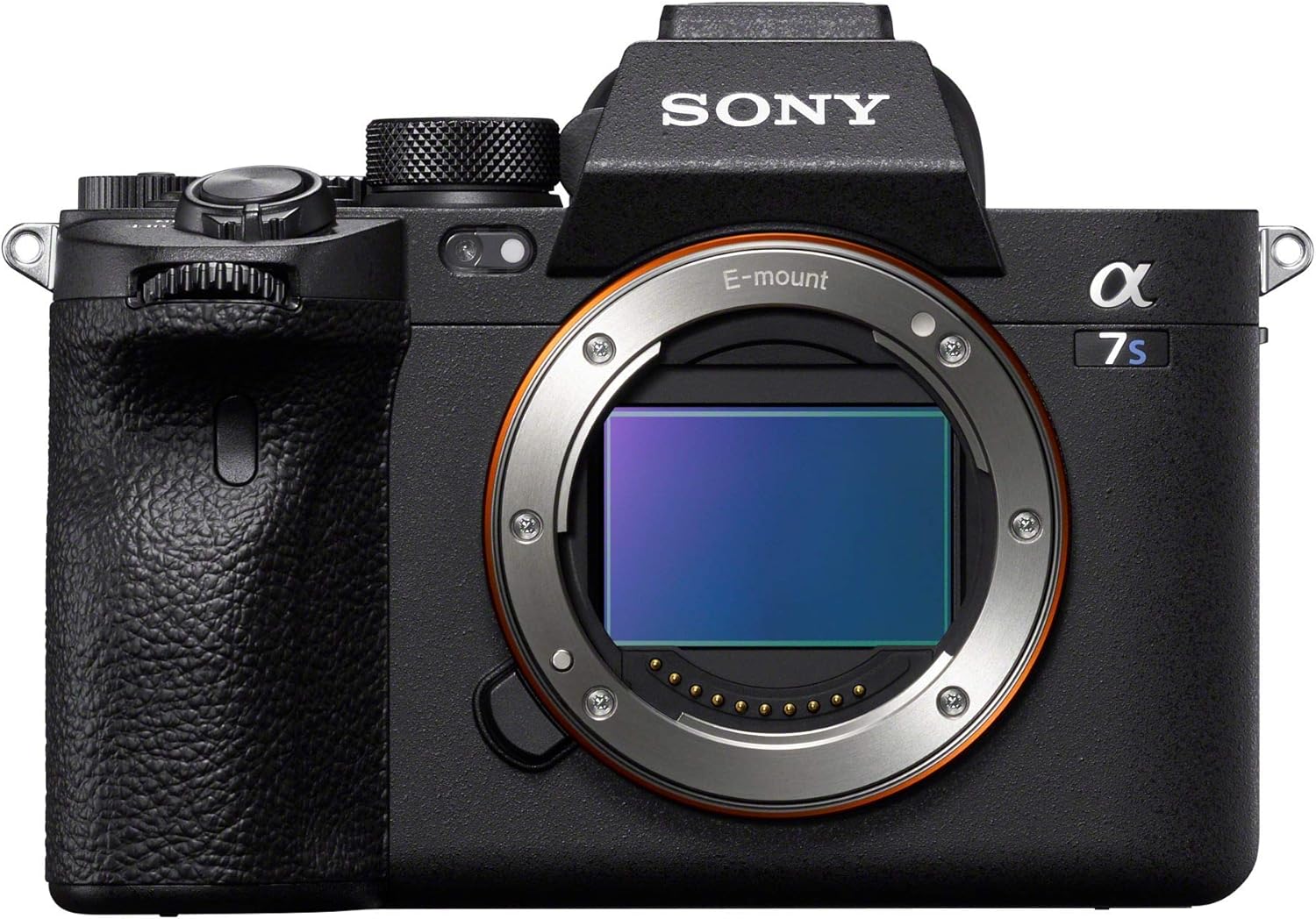
This camera is ideal for documentary filmmakers working in challenging lighting, event videographers, low-light specialists, and professional videographers who prioritize video quality over high-resolution stills.
- Exceptional low-light performance up to ISO 12,800
- Unlimited 4K recording with professional codecs
- Optimized 12MP sensor for video production
- Comprehensive slow-motion capabilities
- Lower resolution limits large print options
- Premium pricing for specialized features
- Requires expensive CFexpress Type A cards
- Sensor: 12.1MP Full-Frame Back-Illuminated CMOS
- Processor: BIONZ XR image processor
- Autofocus: Fast Hybrid AF (759 points wide coverage)
- Video: 4K up to 120p (10‑bit 4:2:2 internal); Raw output via HDMI
The ultimate low-light video specialist, featuring a 12-megapixel full-frame sensor, has a lower resolution than most cameras, but that gives it better light gathering. Rather than chasing resolution, Sony focused on pixel quality, resulting in usable footage up to ISO 12,800 and beyond.
I used this camera to record the comet Leonard in 2021, successfully capturing footage despite handholding on a moonless night.
It’s especially ideal for documentary and event videography where challenging lighting conditions are common. Sony’s rolled these features into newer bodies, making it feel slightly outdated in 2025, but still a powerhouse.

This camera will suit hybrid creators who need high-resolution stills alongside quality video, content creators requiring reliable autofocus, and photographers expanding into professional video work.
It feels strange to me how long the a7 IV has been Sony’s entry-level full-frame camera. But if it works, don’t mess with it, right? Many Sony fans are hoping for an a7 V, but I think this camera is here to stay. Even if an a7 V comes out, the a7 IV will still be an affordable workhorse.
The a7 IV stands as Sony’s most accomplished hybrid camera, combining a high-resolution 33-megapixel sensor with professional video capabilities.
- Excellent balance of 33MP stills and 4K video
- Sony’s advanced real-time tracking autofocus
- Comprehensive codec support, including S-Log3
- Solid build quality and weather sealing
- 4K/60p requires 1.5x crop
- CFexpress Type A cards more expensive than alternatives
- Video features are not as advanced as dedicated video models
- Sensor: 33MP full-frame Exmor R BSI CMOS
- Processor: BIONZ XR
- Autofocus: 759-point phase detection with Real-time Eye AF
- Video: 4K 60p, 10-bit 4:2:2 internal recording
- Image Stabilization: 5.5-axis in-body stabilization
- Viewfinder: 0.78” OLED EVF (3.68M dots, 120fps)
- LCD: 3.0” fully articulating touchscreen (1.04M dots)
- Battery: NP-FZ100 (580 shots)
- Burst Rate: 10fps continuous with AF/AE
- Dynamic Range: ~15 stops
- Dimensions: 5.2 x 3.8 x 3.1″ (131 x 96 x 80mm)
- Weigh: 1.4 lb (658g) with battery
This is one of the oldest cameras in Sony’s current lineup, and it’s still a solid choice for video. It won’t capture 8K, and it doesn’t have Sony’s newest autofocus, but it’s one of the best AF systems at its price point. It captures 33 megapixel stills capability and has strong 4K video features, offering excellent value for creators who need both high-resolution photos and quality video.
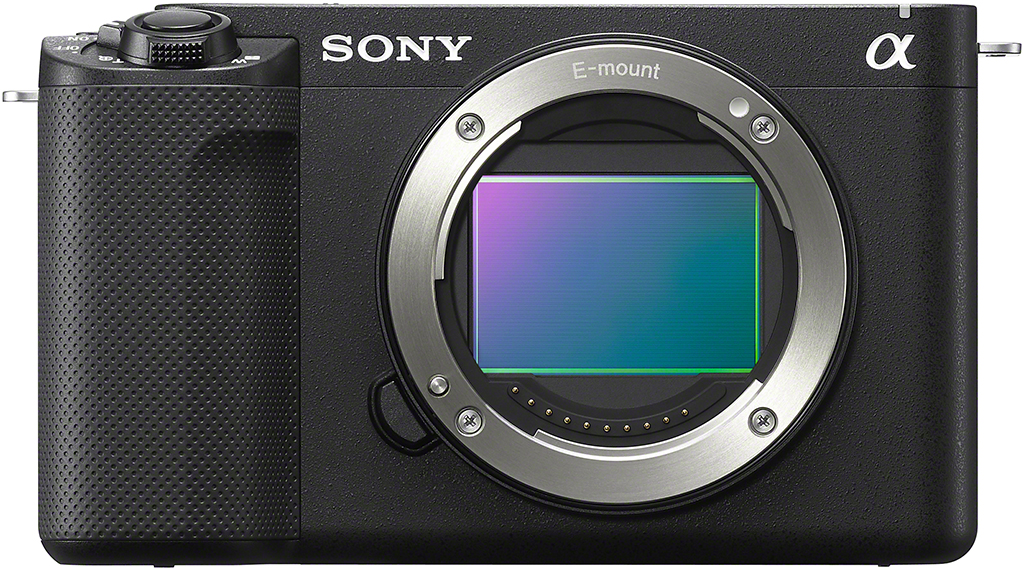
This camera is ideal for solo content creators requiring professional video quality, vloggers and YouTubers needing compact full-frame performance, and mobile filmmakers prioritizing portability without sacrificing image quality.
Sony’s full-frame entry into the vlogging market combines exceptional low-light performance with AI-powered features explicitly designed for solo creators. Until this camera came out, the ZV-E10 II was my pick for best video camera, and it still is for someone who wants the benefits of the APS-C sensor. But this has replaced that in my top pick for vlogging and social media creators.
The ZV-E1 brings cinema-quality video capabilities in a surprisingly compact full-frame body. The full-frame sensor delivers exceptional low-light performance that excels in indoor and nighttime scenarios.
The ZV-E1 has creator tools that most of Sony’s full-frame cameras don’t have. The AI Auto Framing feature automatically crops and tracks subjects. There’s also a product showcase mode and, if you’re feeling a bit wrinkly, a soft portrait mode.
The camera records professional 4K 120p video with 10-bit color depth for maximum post-production flexibility, and the Cinematic Vlog Setting provides cinema-quality color grading with minimal effort required. The 5-axis in-body stabilization produces smooth handheld footage without external gimbals, which is excellent for your video, though the premium pricing places it well above typical vlogging camera budgets.
- Professional video quality in ultra-compact form
- AI-powered subject recognition and tracking
- Built-in breathing compensation for smooth focus transitions
- Creator-optimized interface and control
- No electronic viewfinder
- Limited still photography features
- Higher price than traditional vlogging cameras
- Sensor: 12.1MP full-frame Exmor R BSI CMOS
- Processor: BIONZ XR with dedicated AI processing unit
- Autofocus: 759-point phase detection with AI subject recognition
- Image Stabilization: 5-axis in-body stabilization (5 stops)
- Viewfinder: None
- LCD: 3.0” fully articulating touchscreen (1.04M dots)
- Battery: NP-FZ100 (400 shots, 95 min video)
- Features: AI Auto Framing, Cinematic Vlog Setting, S-Cinetone
- Dimensions: 4.8 x 2.8 x 2.1″ (121 x 71 x 54mm)
- Weight: 1.0 lb (483g) with battery
This is a bit of a twist on the rest of the pro cameras in this guide. The ZV-E1 is one of Sony’s “vlog” style cameras, but it’s also a more modern version of the a7S III in a smaller body. It’s built around the same 12MP sensor as the A7S III, so it has exceptional low-light performance and professional video quality.
Sony’s vlog cameras feature creator-friendly tools like product showcase, which switches focus from a subject to a product as soon as it’s held in front of the lens, and then switches back instantly when the product is put down. No more trying ot block your eyes with the product to force the focus to change.
If you’re planning to spend more time in front of the camera than behind it, I would recommend this over more traditional Sony video cameras.
Hybrid Cameras – APS-C
Professional Features in Compact, Affordable Bodies
APS-C hybrid cameras provide an excellent balance of image quality, portability, and value. The crop factor delivers additional reach for wildlife and sports applications while maintaining good low-light performance. These cameras are ideal for creators who need professional video features without the size, weight, and cost of full-frame systems.
Canon

This camera is for wildlife and sports videographers needing extra reach, content creators on budgets seeking Canon quality, and photographers expanding into video who prioritize telephoto performance.
- Excellent reach for wildlife and sports videography
- 4K/60p recording with Canon’s proven color science
- Dual SD card slots for backup and overflow
- Strong build quality and weather sealing
- APS-C sensor limits low-light performance
- Video features are not as advanced as full-frame models
- Crop factor requires wider lenses for standard fields of view
- Sensor: 32.5 MP APS‑C CMOS
- Processor: DIGIC X
- Autofocus: Dual Pixel CMOS AF II — wide coverage
- Video: 4K 60p (crop), 4K 30p oversampled, FHD 120p; Canon Log / 10‑bit in supported modes
Wildlife and sports videographers needing extra reach, content creators on budgets seeking Canon quality, and photographers expanding into video who prioritize telephoto performance.

Best for content creators focusing on social media platforms, beginners learning video production, and budget-conscious users needing basic 4K capability.
- Very affordable entry point for video creation
- Vertical video modes are perfect for social media
- Creator-focused interface simplifies video production
- Compact size ideal for handheld shooting
- Limited professional codec support
- Single SD card slot with slower UHS-I speed
- Electronic stabilization only
- Sensor: 24 MP APS‑C CMOS
- Processor: DIGIC X
- Autofocus: Dual Pixel CMOS AF II
- Video: 4K 60p, 6K oversample to 4K, FHD 120p; Canon Log 3 / 10‑bit in modes
This camera is Canon’s take on compact video bodies in the APS-C format. It’s an affordable entry point for video creation, featuring vertical video modes perfect for social media platforms, and an easy-to-use interface. It maxes out at 4K, so it’s a good choice for beginners looking to get started in content creation.

This camera will suit content creators requiring maximum resolution in compact form, hybrid shooters needing detailed stills alongside 8K video, and filmmakers prioritizing Fujifilm’s distinctive aesthetic.
- 8K recording capability in APS-C format
- Exceptional detail and cropping flexibility
- High-resolution sensor enables detailed stills
- Fujifilm’s unique color science and film simulations
- 8K files create enormous storage requirements
- APS-C format limits professional lens options
- No internal ProRes recording
Fujifilm is known for its photography cameras, but this one does double duty as an 8K video-capable hybrid. The ergonomics of Fujifilm’s cameras have always been some of my favorites in the market, and this is no exception. The high-resolution sensor also enables detailed stills when needed, making it appealing to hybrid shooters who occasionally need both capabilities in one body.
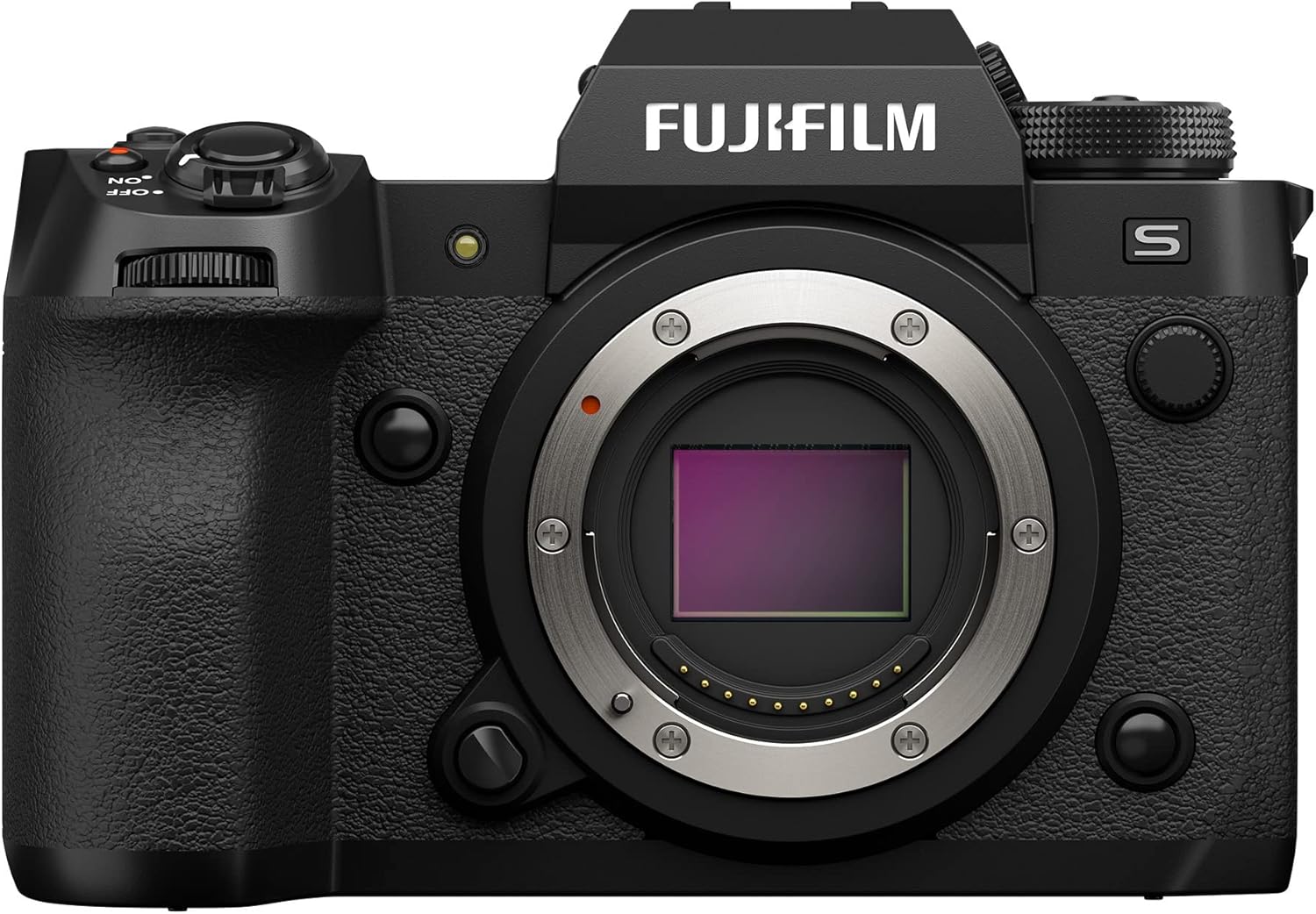
This Fujifilm camera will suit professional videographers who need speed and reliability, wildlife and sports filmmakers benefiting from APS-C reach, and content creators who prioritize exceptional build quality and unique color aesthetics.
The Fujifilm X-H2S is a powerhouse APS-C camera built for speed, precision, and professional reliability. Its 26.1MP stacked X-Trans CMOS 5 HS sensor and X-Processor 5 deliver lightning-fast autofocus and up to 40fps burst shooting. If you’re into sports, wildlife, and action photography, consider this camera.
It captures 6.2K/30p and 4K/120p video with minimal rolling shutter, making it a serious hybrid tool for filmmakers. The rugged, weather-sealed body and deep grip inspire confidence in demanding environments. For professionals who demand speed and advanced video features in a smaller format, the X-H2S stands as Fujifilm’s most versatile flagship to date.
- Stacked sensor eliminates rolling shutter artifacts
- Open gate 6.2K provides maximum post flexibility
- Exceptional build quality and ergonomics
- Fujifilm’s renowned color science and film simulations
- APS-C sensor limits low-light performance vs full-frame
- Smaller lens ecosystem compared to full-frame systems
- Premium pricing for APS-C format
- Sensor: 26.1 MP APS‑C X‑Trans CMOS 5 HS
- Processor: X‑Processor 5
- Autofocus: Intelligent Hybrid AF with advanced detection, 425 AF points
- Video: 6.2K up to 30p, 4K up to 120p, FHD 240p; internal ProRes 422 HQ
A step-up from the with stacked sensor tech makes this my recommendation for Fujifilm shooters looking for their best-in-class video. The stacked sensor virtually eliminates rolling shutter and enables 40fps burst shooting, while 6.2K recording provides maximum flexibility for different aspect ratios in post-production. Like with the X-H2, I love the build quality and ergonomics. This is a favorite among content creators who want pro-grade video in a body that feels like the best analog cameras of yesterday.
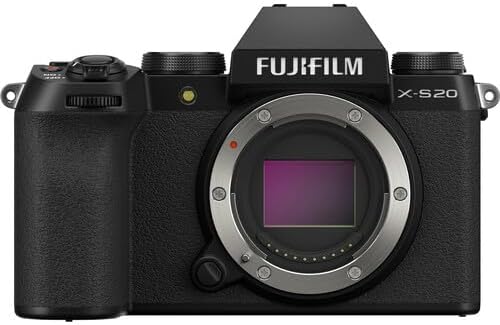
This camera is for content creators prioritizing portability and value, travel videographers needing compact professional features, and beginner hybrid shooters wanting Fujifilm’s unique aesthetic.
- Compact form factor ideal for travel and documentary work
- 6K open gate recording in an affordable package
- Vlog mode optimized for content creators
- Excellent image stabilization system
- A single SD card slot limits backup options
- APS-C format limits shallow depth of field options
- No internal ProRes recording
- Sensor: 26.1 MP APS‑C X‑Trans CMOS 4
- Processor: X‑Processor 5
- Autofocus: Hybrid AF with subject detection; Contrast Detection, Phase Detection: 117
- Vide: 6.2K up to 30p, 4K up to 60p (10‑bit), FHD up to 240p
You could think of this as a scaled-down version of the X-H2 series, but it has so many of the same features and functionality that it’s nearly as powerful a choice. It has a compact form factor with impressive video specifications, includes vlog mode, and a flip-out screen with professional codecs. The excellent image stabilization system helps maintain smooth footage even in handheld shooting scenarios.
This body feels more cramped to me than the X-2H, but it’s better suited to travel as a result.
Sony

This camera is for travel and documentary videographers needing compact professional features, content creators requiring advanced autofocus, and Sony system users wanting APS-C reach with full-frame capabilities.
- Advanced AI autofocus with real-time recognition
- 4K/120p recording capability is rare in APS-C
- Compact size with professional video features
- Sony’s proven color science and codec support
- CFexpress Type A cards more expensive than alternatives
- APS-C sensor limits shallow depth of field options
- Battery life could be better with intensive video use
- Sensor: 26.0MP APS-C Exmor R BSI CMOS Sensor.
- Video: 4K/60p (oversampled from 6K, uncropped), 4K/120p (with 1.58x crop), Full HD (1080p)/240p.
- Codecs: XAVC S, XAVC HS (H.265/HEVC, H.264/MPEG-4), supports S-Log3, S-Cinetone, HLG.
- Audio: Built-in stereo microphone, 3.5 mm external mic input, 3.5 mm headphone output
- Connectivity: Wi-Fi, Bluetooth, USB-C, Micro-HDMI.
- Storage: Single SD/SDHC/SDXC (UHS-II) card slot.
- More Features: BIONZ XR Processor & AI Processing Unit, 5-Axis In-Body Image Stabilization (IBIS), AI-powered subject recognition AF, vari-angle touchscreen.
While this is Sony’s most recent APS-C hybrid camera, it’s not as video-forward as other cameras in its lineup. This is definitely a photo-first camera with excellent video capabilities, rather than a video-first camera with great still images. It has some of the best AF in the APS-C world, and 4K/120p recording capabilities make it a terrific choice for fast-moving action like sports and wildlife. The compact size, combined with professional video features, makes it ideal for travel and documentary work, where portability is essential.

This camera is ideal for content creators and vloggers prioritizing ease of use, social media creators needing reliable autofocus, and beginners wanting professional video quality in an accessible package.
The ZV-E10 II transforms Sony’s vlogging expertise into an exceptional entry-level camera that excels at both content creation and traditional photography. With the same 26-megapixel sensor found in Sony’s premium a6700, this camera delivers far more performance than its price suggests, making it our top budget pick.
I typically recommend this to YouTube and social media creators, but it’s also a great entry-level camera for photographers and videographers. The ergonomics are definitely aimed at video, so this one is best for someone shooting more video than stills.
Because of the high-end video features, this one isn’t exactly “budge,t” but it’s a tremendous entry point for someone looking for a well-priced YouTube studio camera.
- Creator-optimized features and interface
- Excellent subject tracking autofocus
- Compact and lightweight for handheld use
- Built-in directional microphone with wind screen
- No in-body image stabilization
- A single SD card slot limits backup option
- Electronic viewfinder not included
- Sensor: 26MP APS-C Exmor R BSI CMOS
- Processor: BIONZ XR
- Autofocus: 759-point phase detection with Real-time Eye AF
- Video: 4K 60p, 10-bit internal recording
- Viewfinder: None (LCD only)
- LCD: 3.0” fully articulating touchscreen (1.04M dots)
- Battery: NP-FZ100 (610 shots, 195 min video)
- Dimensions: 4.76 x 2.68 x 2.13″ (121 x 68 x 54mm)
- Weight: 0.83 lb (377g) with battery
This “vlog” style camera arrived before the full-frame ZV-E1; it’s on my list of the best combination studio-and-location cameras because it has a compact body and excellent features like product showcase.
Building on the design of the original ZV-E10, this updated model brings improved subject tracking, better low-light performance, and enhanced creator-focused features. The compact design with flip-out screen and optimized audio recording makes it ideal for solo content creation and vloggers.
The price point allows newcomers to video to pick up the body and a lens for under $1000, a tremendous deal for the new YouTube or social creator.
Hybrid Cameras – Micro Four Thirds
Ultimate Portability with Professional Video Features
Micro Four Thirds cameras prioritize portability and stabilization performance while delivering professional video capabilities. The 2x crop factor provides significant telephoto reach, making these cameras excellent for wildlife videography and situations where camera size matters. Advanced stabilization systems often outperform larger sensor cameras.

This camera is ideal for adventurers and outdoor videographers needing rugged reliability, wildlife filmmakers benefiting from crop factor reach, and professionals requiring ultra-portable professional cameras for challenging environments.
- Exceptional weather sealing and build quality
- Unique computational photography modes
- Outstanding image stabilization performance
- Professional controls in an ultra-compact body
- The Micro Four Thirds sensor limits low-light performance
- Video features are not as extensive as those of dedicated video cameras
- Limited professional codec options
- Sensor: 20.4 MP stacked BSI Live MOS (MFT)
- Processor: TruePic X
- Autofocus: Cross Quad Pixel phase‑detection AF (1,053 points)
- Video: 4K up to 60p (12‑bit / 10‑bit internal), RAW output, advanced recording options
This camera demonstrates that Micro Four Thirds still has a place in professional workflows, and it’s still my favorite OM System body. OM Systems has focused on computational photography features like Live ND, which enables handheld long exposures that would typically require a tripod.
OM Systems is known for weather sealing that protects in challenging conditions where other cameras might struggle. The body construction feels solid, with a grip that works well for such a compact form factor.
What distinguishes this from other MFT options is the subject detection system—it competes with full-frame alternatives, particularly for wildlife and sports photography. The image stabilization delivers smooth handheld video that rivals larger camera systems, which is an added benefit since Micro Four Thirds systems are smaller than full-frame cameras.
For travel photographers and videographers who need professional results without weight penalties, this camera performs well. The computational modes function as practical tools rather than novelties, expanding creative possibilities in the field.
Panasonic

This camera is for professional videographers prioritizing codec quality and unlimited recording, documentary filmmakers needing reliable professional features, and content creators requiring broadcast-quality output in ultra-portable form.
The Lumix GH7 is a Micro Four Thirds camera designed for professional video production. It uses a 25.2-megapixel BSI CMOS sensor with Phase Hybrid AF, internal ProRes recording, and support for Apple ProRes RAW. The GH7 also introduces 32-bit float audio recording with the XLR adapter, 5-axis stabilization, and unlimited recording in 4K or 5.7K. It continues the GH series’ reputation for video-first functionality while improving autofocus and workflow speed.
- Exceptional 8-stop image stabilization system
- High-resolution mode creates 100MP stills
- Professional video codecs in a compact package
- Phase-detection autofocus improves tracking
- Micro Four Thirds sensor limitations in low light
- Video features are not as extensive as those of the dedicated GH7
- Smaller native lens selection compared to larger formats
- Sensor: 25.2MP Micro Four Thirds Live MOS
- Processor: Venus‑variant engine
- Autofocus: 79 Points, Phase Hybrid Autofocus
- Video: 5.7K up to 60p; 4K 60p 4:2:2 10‑bit unlimited, ProRes RAW options
This updated hybrid camera adds phase-detection autofocus to an already strong foundation of stills and video capabilities. While it’s hard to tell the amount of image stabilization, I find the claimed 8-stop system works well for both handheld photography and video shooting,
The professional video codecs provide flexibility for post-production workflows, while the compact Micro Four Thirds form factor makes it practical for travel and location work. Combine a small Micro Four Thirds body with great image stabilization, and it’s a perfect tool for run-and-gun shooting.
Like with the GH7, the new phase-detection autofocus brings focusing performance in line with competitors, making the camera practical for solo shooting scenarios.

This camera is for hybrid shooters needing excellent stabilization, travel photographers and videographers prioritizing portability, and content creators wanting professional features in the most compact form factor available.
- Exceptional 8-stop image stabilization system
- High-resolution mode creates 100MP stills
- Professional video codecs in a compact package
- Phase-detection autofocus improves tracking
- Micro Four Thirds sensor limitations in low light
- Video features are not as extensive as those of the dedicated GH7
- Smaller native lens selection compared to larger formats
- Sensor: 25.2 MP Live MOS (MFT)
- Processor: Updated Lumix processor
- Autofocus: 779-Point Phase-Detection AF System
- Video: C4K/4K up to 60p 4:2:2 10‑bit (others depending on mode)
This updated hybrid camera adds phase-detection autofocus to an already strong foundation of stills and video capabilities. While it’s hard to tell the amount of image stabilization, I find the claimed 8-stop system works well for both handheld photography and video shooting,
The professional video codecs provide flexibility for post-production workflows, while the compact Micro Four Thirds form factor makes it practical for travel and location work. Combine a small Micro Four Thirds body with great image stabilization, and it’s a perfect tool for run-and-gun shooting.
Like with the GH7, the new phase-detection autofocus brings focusing performance in line with competitors, making the camera practical for solo shooting scenarios.
Understanding Video Camera Formats
Full Frame (36mm x 24mm)
Full-frame sensors provide the largest image area, delivering exceptional low-light performance and the shallowest depth of field for cinematic looks. They excel in challenging lighting conditions and offer the most natural field of view when using traditional lens focal lengths. Professional productions often prefer full-frame for its superior image quality and flexibility in post-production. However, full-frame cameras and lenses are typically larger, heavier, and more expensive than smaller sensor alternatives.
APS-C/Super35 (23.6mm x 15.6mm)
APS-C sensors offer an excellent balance of image quality, portability, and cost. The crop factor (typically 1.5x) provides additional reach for wildlife and sports applications while maintaining good low-light performance. Many professional films are shot on Super35 sensors, proving their cinematic capabilities. APS-C cameras are generally more compact and affordable than full-frame options, with smaller, lighter lenses that make them ideal for travel and handheld work.
Micro Four Thirds (17.3mm x 13mm)
Micro Four Thirds sensors prioritize portability and stabilization performance over ultimate image quality. The 2x crop factor significantly increases telephoto reach, making these cameras excellent for wildlife videography. Advanced in-body stabilization systems often provide superior performance compared to larger sensors. While low-light performance is more limited, modern MFT sensors deliver professional results with proper lighting and technique. The compact size and extensive lens selection make MFT ideal for travel and documentary work.
FAQs
What’s the difference between hybrid and cinema cameras?
Hybrid cameras maintain traditional camera ergonomics with electronic viewfinders and photography controls while adding professional video features. They’re ideal for creators who need both excellent stills and video capabilities. Cinema cameras prioritize video with purpose-built form factors, professional audio inputs, advanced cooling, and features like built-in ND filters. They’re designed specifically for video production workflows.
Do I need internal RAW recording for professional video?
Internal RAW recording provides maximum flexibility in post-production but creates enormous file sizes and requires significant storage and processing power. ProRes 4K at high quality settings can consume over 1TB per hour of footage. Many professionals achieve excellent results with high-quality compressed codecs like 10-bit XAVC or ProRes 422. RAW is essential for high-end color grading and VFX work, but may be overkill for standard commercial or content creation work.
How important is sensor size for video work?
Full-frame sensors provide better low-light performance and shallower depth of field, making them ideal for cinematic looks and challenging lighting conditions. APS-C and Super35 sensors offer more reach for wildlife/sports and often provide better rolling shutter performance. Many professional films are shot on Super35 sensors. Micro Four Thirds offers excellent stabilization and compact lens options. Choose based on your specific shooting needs rather than sensor size alone.
What codec should I use for different types of projects?
For social media and web content, high-quality H.264/H.265 provides good results with manageable file sizes—corporate and commercial work benefits from 10-bit codecs like ProRes 422 or XAVC-I for better color grading flexibility. High-end commercial and film work may require RAW codecs for maximum post-production flexibility. Always consider your entire workflow from capture through final delivery when selecting codecs.
How much storage do I need for professional video production?
Storage requirements vary dramatically based on codec and resolution. 4K H.264 uses approximately 20-30GB per hour, while 4K ProRes can consume 200-600GB per hour, depending on quality settings. 8K RAW recording can exceed 1TB per hour. Budget for at least 3x your estimated recording time to account for multiple takes, B-roll, and backup copies. High-speed CFexpress cards are essential for professional codecs, but can cost $500+ for 1TB.
What’s the advantage of built-in ND filters on cinema cameras?
Built-in ND filters allow quick exposure adjustments without changing aperture or introducing color shifts from external filters. They’re essential for maintaining a consistent depth of field and proper exposure when moving between different lighting conditions. Professional productions often require specific aperture settings for creative control, making ND filters crucial for exposure management.
Can these cameras replace traditional cinema cameras for professional work?
Many cameras in this guide have been used for Netflix-approved content, major commercials, and feature films. The Sony FX series, Canon Cinema EOS line, and Blackmagic cameras offer professional features at accessible prices. However, consider your specific workflow needs: high-end productions may still require traditional cinema cameras for specific features like anamorphic support, advanced monitoring, or specific professional requirements.
How important is autofocus for professional video work?
Modern autofocus systems with subject detection and tracking have become essential tools for many professional applications, particularly documentary work, interviews, and solo shooting. However, many narrative filmmakers still prefer manual focus for creative control. The best video cameras offer reliable autofocus when needed while providing excellent manual focus tools, including focus peaking, magnification, and professional follow focus compatibility.
What accessories are essential for professional video production?
Essential accessories vary by camera type but typically include: high-speed memory cards (CFexpress for professional workflows), external monitors for critical focus and exposure, professional audio solutions (wireless mics, XLR adapters), adequate storage solutions (1TB+ external SSDs), and stabilization (tripods, gimbals, or sliders). Budget 50-100% of the camera cost for essential accessories.