
Sigma 200mm f/2 DG OS | Sports: Brilliant Lens With One Big Limitation

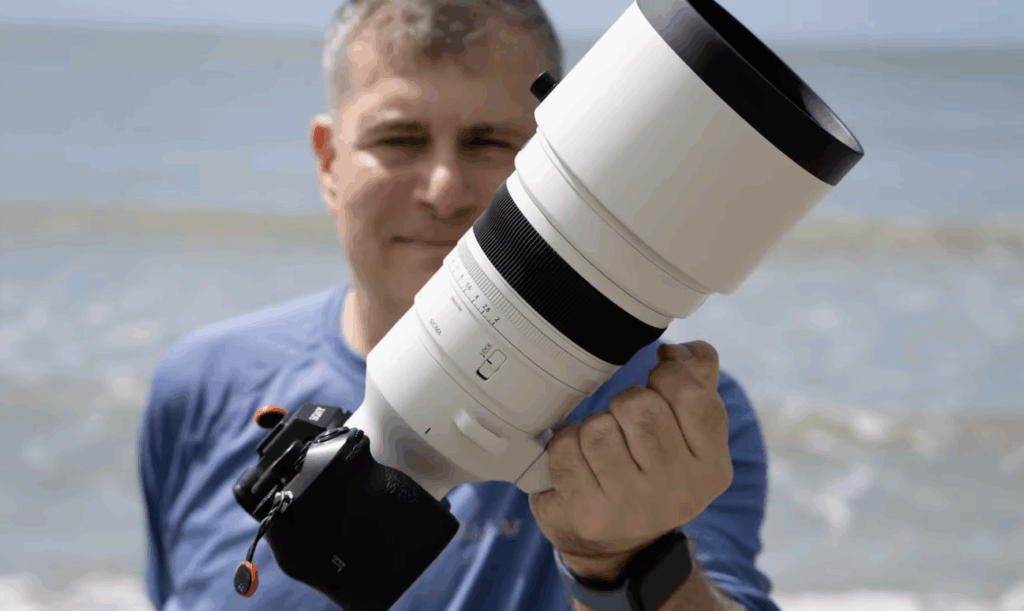
Table of Contents
 Watch Our Hands-On Review Video


Premium telephoto prime built for photographers who value speed, precision, and expressive depth of field. It delivers outstanding sharpness even at f/2, with smooth, creamy background blur and excellent contrast across the frame. Though it’s large, heavy, and lacks teleconverter support, its fast autofocus, robust build, and intuitive controls make it a compelling choice for portrait, wedding, and low-light shooters who want the unmistakable look only a true f/2 telephoto can provide.
- Exceptional sharpness and contrast, even wide open at f/2
- Beautiful subject separation and bokeh rendering
- Fast, accurate autofocus with reliable subject tracking
- Excellent optical stabilization performance (up to 6.5 stops)
- Robust, weather-sealed construction and extensive on-lens controls
- Arca-compatible tripod foot with improved ergonomics
- Frame rate limited to 15fps on Sony cameras
- Relatively large and heavy, especially for handheld shooting
- Limited close-focus capability and low magnification (0.13×)
- Focus breathing is visible during video use
- Moderate vignetting and distortion at wide apertures
- No teleconverter compatibility
- Focal Length : 200mm
- Maximum Aperture: f/2
- Minimum Aperture: f/22
- Optical Design: 19 elements in 14 groups (2 FLD, 2 SLD elements)
- Stabilization: Up to 6.5 stops (OS2 algorithm)
- Autofocus Motor: HLA (High-response Linear Actuator)
- Minimum Focus Distance: 1.7m (5.6 feet)
- Maximum Magnification: .13x
- Aperture Blades: 11, rounded
- Filte Diameter: 105
- Dimensions: 118.9 x 203 mm (4.7x 8.0 inches)
- Mounts: Sony E, Leica L
Sigma’s 200mm f/2 DG OS | Sports is an ambitious lens. It’s a telephoto prime that delivers an enormous amount of light and an amazingly soft background defocus. It’s designed for photographers who need speed and subject isolation in one package, and it delivers on all three.
I think “Sports” in the name does a disservice to this lens. With an f/2 aperture, tack-sharp focus, and its amazing “bokeh,” it’s a fantastic portrait lens. As an occasional wedding photographer, this is definitely a lens I’d bring in my kit.
I took the Sigma 200mm to Australia on a family trip that was complete with koalas, wallabies, birds of all types, and, surprisingly, a political protest.
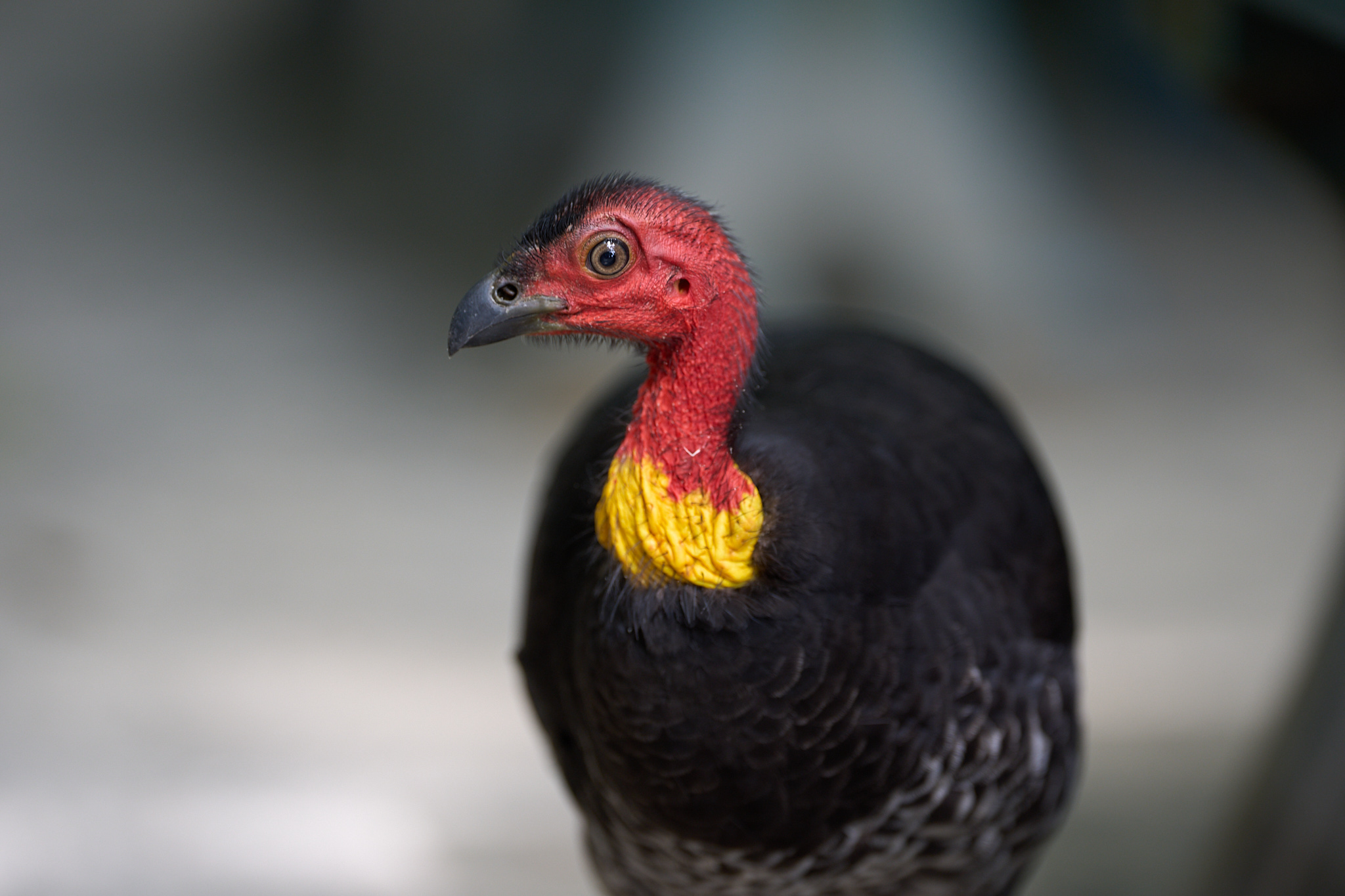

In testing, the lens produced tack-sharp images even at f/2, with smooth falloff, excellent contrast, and remarkably consistent sharpness across the frame. It’s a lens that inspires confidence the moment it’s mounted — solidly built, fast to focus, and equipped with one of the most complete control layouts of any modern prime.
That performance comes at a cost. The 200mm f/2 is heavy, expensive, and limited in close-focus capability. It also lacks compatibility with teleconverters, which limits its flexibility. But for photographers who want the expressive potential of a true f/2 telephoto, this is a spectacular creative tool.
Watch Our Hands-On Review Video
Design, Build, and Handling
The Sigma 200mm f/2 DG OS | Sports is unmistakably a professional lens and not just because the external body is what I like to call “sports white.” The lens is rugged, with impressive weather sealing, and controls are exactly what and where a professional shooter expects to find them.
It’s a large lens, noticeably so. But I found that Sigma has distributed the weight well enough that it doesn’t feel unwieldy when mounted on a full-frame body. I would normally hold the lens by the tripod foot, and it felt comfortable, and even when I’d hold the camera body and let it dangle, it had nice balance.
The tripod foot, compatible with Arca-Swiss plates, is one of the most practical design decisions Sigma has made in recent years. Too many long tele lenses require you to put a tripod quick-release onto the bottom of the foot if you plan to go from tripod to handheld quickly. That’s a stability-reducing solution I dislike. Being able to slide this lens into an Arca-Swiss tripod head is great.
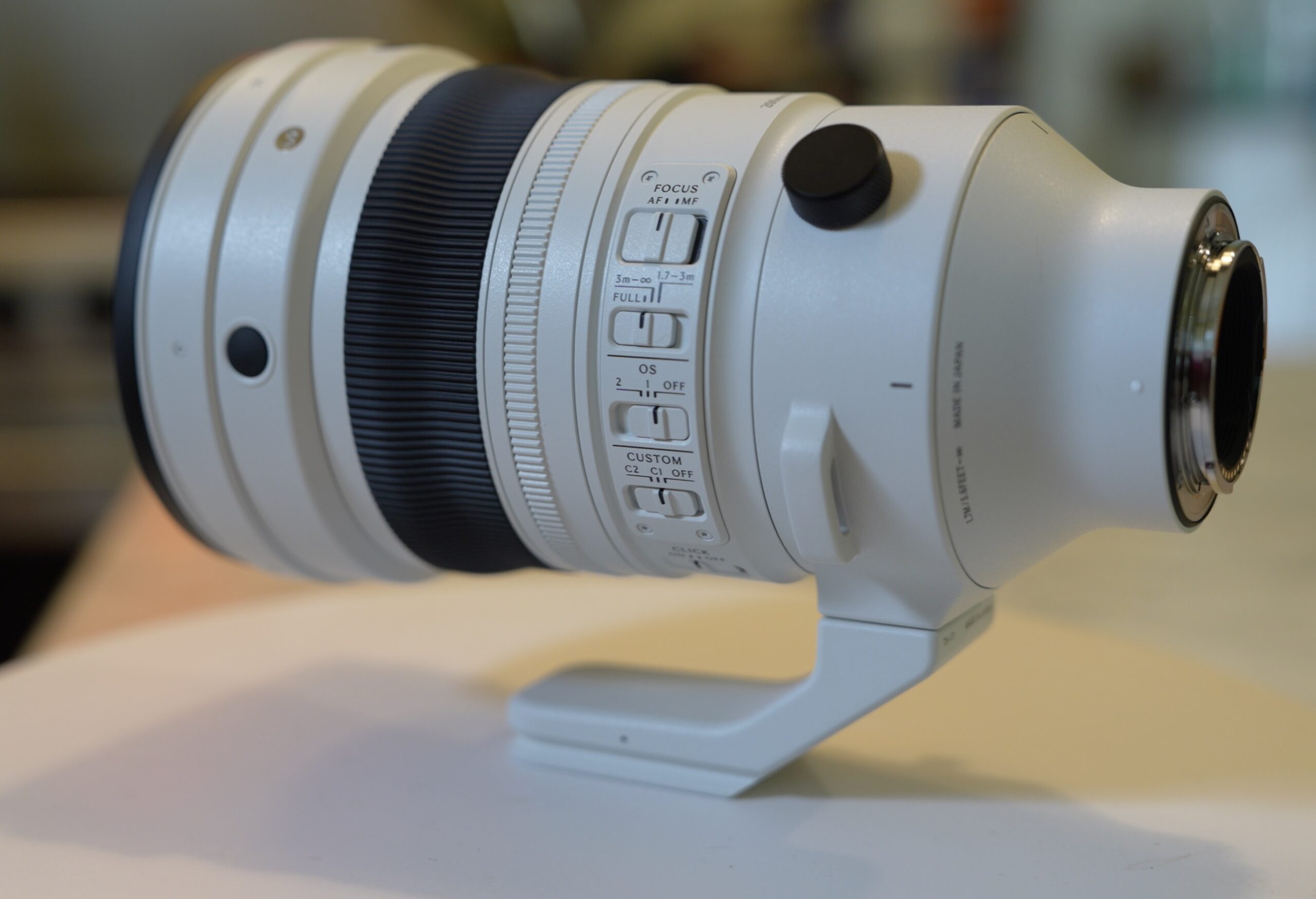
Controls are abundant and nicely laid out. There’s an AF/MF switch, a focus limiter, and a three-position stabilization selector. Around the front barrel, three programmable AF-lock buttons are positioned so one is always within reach, regardless of the orientation of the camera. These buttons are individually customizable. I have one that toggles Dynamic Manual Focus, for example.
The aperture ring can be locked and can be toggled between click and declick modes, offering flexibility for both stills and video shooters. While declicked aperture control is mostly for video use, I like to shoot with the aperture ring declicked, since I can see the effects of my aperture pulls directly in the viewfinder, and can see it displayed in the finder as well.
Despite its weight, the lens handles surprisingly well. The large focus ring moves smoothly with a precise feel. Small focus adjustments are easy to make, and the throw of the lens (the distance you have to rotate the barrel to adjust) is short enough that quick focus changes are easy to make.
The hood is equally beefy, featuring a rubberized end cap so the lens can rest vertically without scuffing surfaces. With its massive front lens element, I’d be hesitant to leave the lens hood off the Sigma 200mm f.2 for any prolonged time. Scratch that front piece of glass and you’re likely buying a new lens.

The only challenge is endurance. At nearly four pounds, the 200mm f/2 is not a lens you’ll casually handhold for long sessions. When shooting a protest rally in Australia, I’d let the camera and lens hang around my neck between shots to give my arms a break.

Autofocus Performance
Sigma’s HLA motor system gives this lens the focusing speed and responsiveness expected of flagship sports lenses. Autofocus is fast, confident, and virtually silent. Combined with Sony’s subject-detection autofocus, it was able to lock onto people, birds, and animals with no problems.

Capturing a koala isn’t particularly hard because they sleep twenty hours a day, but finding the eye of a koala while it’s sleeping is a tougher challenge, and the lens and camera combo had no problems with it.
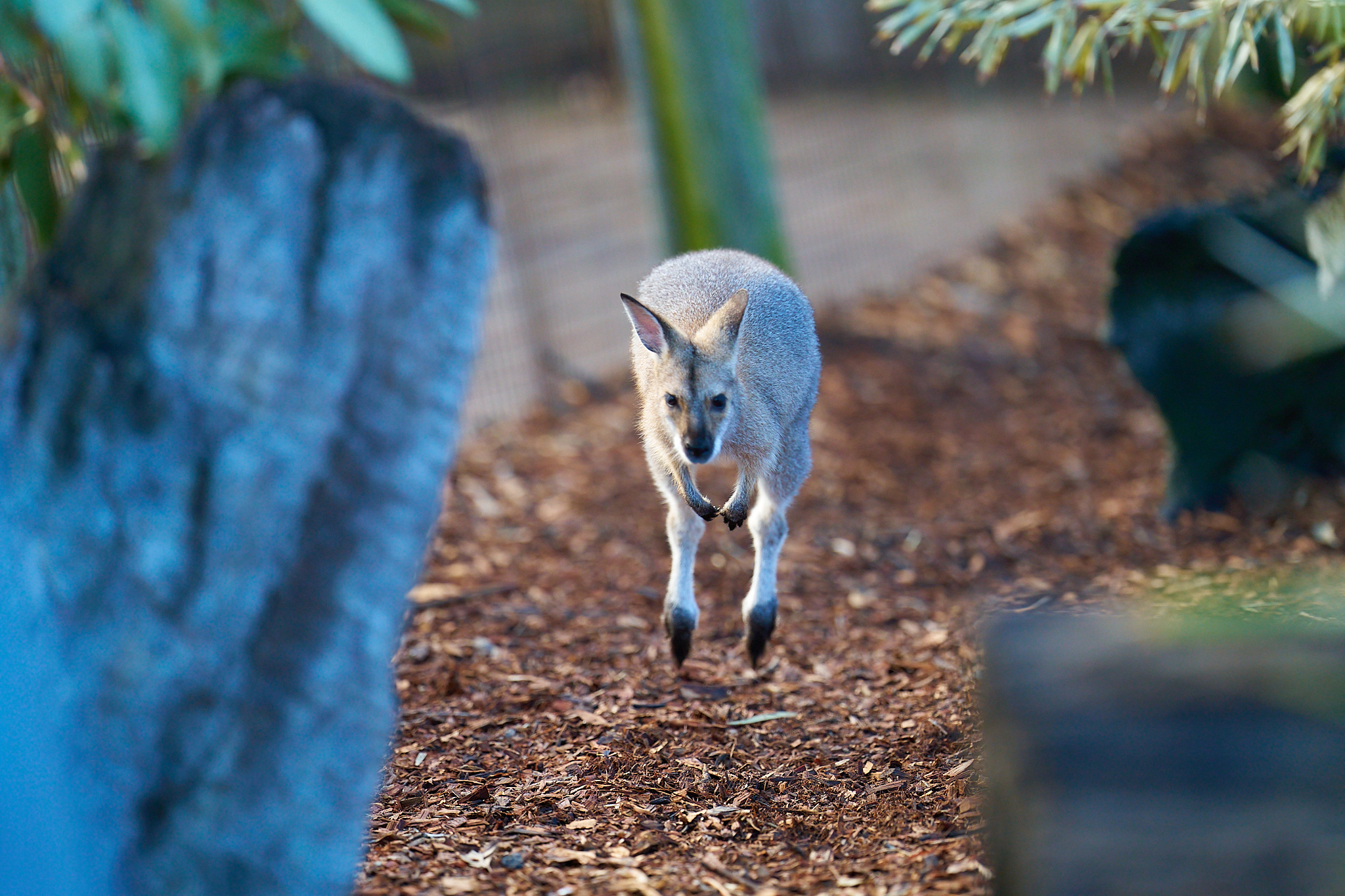
Unsurprisingly, it had no problems locking on to the eyes of birds, both big and small. Even quickly moving animals like hopping Walalby were no problem. This is a lens I’ll definitely put to the test with sports.
Capture Rate – The one big Limitation From Sony
While the lens itself has no listed frame rate limitations, when shooting on Sony, the Sigma 200mm f/2.8 caps out at 15 frames per second.
This is not a limitation of Sigma engineering; it’s a limit imposed by Sony. Sony has claimed that this is a limitation of the way third-party lenses use the E-Mount platform. Sony’s stand has been that their engineering and lens-to-body communication is what allows lenses to shoot above 15fps, but this is disengenuous at best. Sony provided third-party manufacturers access to the E-Mount for their designs, but has limits on the communication information it gives third-party developers.
This is a “have your cake and eat it too” solution for Sony. Third-party development has helped make Sony cameras so popular with consumers. Third-party lens support has been the deciding factor in countless purchases. But Sony doesn’t really see the competition as too competitive.
In any case, 15fps isn’t a problematic limitation for most cases. However, for sports shooters, buying a Sony with a Sony a9 II, a Sony a9 III, or a Sony a1 II body, being able to get the full performance of those bodies is important.
The 15fps limit would be less of a drawback if Sony had not introduced its 50-150mm F2 GM just before the Sigma lens arrived. The Sony zoom is an important 50mm shorter than the 200mm, but it also captures at the full frame rate of Sony cameras.
Impressive Image Stabilization
Stabilization performance is particularly good. Sigma rates the optical system at up to 6.5 stops of correction, and in testing, handheld shots at shutter speeds as low as 1/10th of a second remained acceptably sharp when standing still.
The lenses use what Sigma calls its OS2 algorithm, and that offers two distinct modes: one for general stabilization and another optimized for panning. Both perform well, and the second mode is especially fluid when tracking horizontal motion, but I’m not sure I noticed much difference.

Image Quality
The 200mm f/2 DG OS | Sports is among Sigma’s sharpest lenses to date, and that’s saying something considering how superb the images from recent Sigma lenses are. At f/2, it delivers excellent central and mid-frame sharpness. I only noticed minimal softness toward the corners at f/2, but it was in no way problematic. Lens profiles were not available for the Sigma 200mm when I tested it, and I’m sure those will easily correct for any issues.
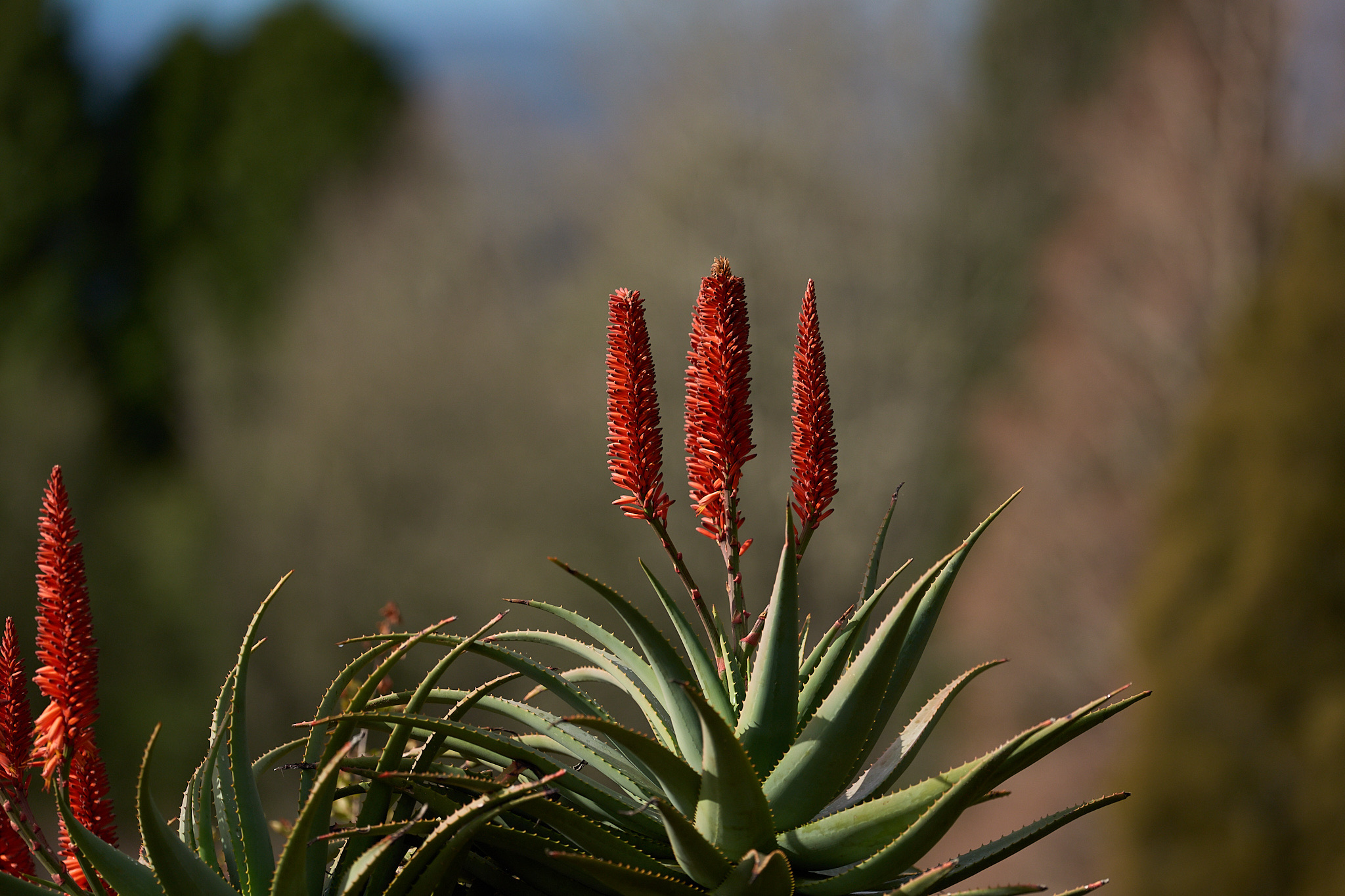
Chromatic aberration is impressively low. In high-contrast backlit scenes, faint color fringing appeared at f/2, but it’s easily corrected. The fringing was mostly confined to the edges of leaves against the sky, a typical scene for chromatic fringing.
The lens is comprised of 19 elements in 14 groups (2 FLD, 2 SLD elements). As a (really bad) rule of thumb, the more elements and groups, the more accurate the final image. Each bit of optics helps to correct the distortion of light coming in through the lens, so these groups are all working together to focus light precisely on the sensor.

Background Defocus Champ
The number of aperture blades is the primary determining factor in the quality of background defocus in a lens. The size of the aperture determines the amount of defocus, but the aperture blades determine the quality of that bokeh.
The Sigma 200mm f/2 DG OS lens has eleven aperture blades. Nine is a typical number of blades for a lens with soft background defocus, but an 11-blade lens is the norm now in wide aperture lenses.
Having this number of aperture blades is unusual for a sports lens. Foreground sharpness is usually the goal rather than background softness, but that’s what sets this lens apart from other sports lenses. It’s designed to be tack sharp on the foreground and blur the background for subject isolation.

In practice, I think the images are some of the nicest I’ve seen from a 200mm lens, and as a former sports photographer, 200mm was a pretty common focal length.
Flare resistance is good thanks to lens coatings and the deep lens hood. Even with direct light sources near the frame, contrast remains intact. The optical design also minimizes ghosting, maintaining clarity in tough lighting conditions.
Chromatic aberration is minimal, though not completely absent. At wide apertures, any chromatic issues that might appear are nicely blurred.
In this shot of a koala, the hair has no color fringing, even with strong back lighting. The leaves on the trees appear at this resolution to have chromatic coloring to them, but zoomed in, it’s simply a soft blur.

The bokeh rendering is simply gorgeous. The 11-blade aperture produces round highlights across much of the frame, and transitions from focus to blur are creamy and smooth. Whether isolating a subject against busy foliage or capturing portraits with shallow depth, the lens creates a distinctive, painterly separation that’s difficult to match with a zoom.

Real-World Use
This is not a general-purpose telephoto. The 200mm f/2 is a specialist lens — and that’s part of its appeal to me. It’s designed for situations where subject separation, speed, and light-gathering power matter more than convenience.
For indoor sports, concerts, and low-light events, the wide aperture provides a serious advantage over something like a 70-200mm f/2.8 lens. In wildlife or outdoor work, it delivers incredible subject clarity and compression, though the 200mm fixed focal length means you only have one shot at composition. For birds and wildlife, the focal length might be too short, and for close sports work (like basketball), it might be too long. But for things like mid-court arena photography, tennis, mountain biking, and other sports where the photographer can be close to the action, it’s a perfect focal length.
The lens’s minimum focus distance of 1.7 meters limits close-up work, so it’s not intended for macro or tight product photography. I wish the lens could focus a bit closer than it does; it would be nice to use the sharpness and bokeh for short-distance work.
Price and Availability of the Sigma 200mm f/2 DG OS | Sports
The Sigma 200mm f/2 DG OS | Sports is priced at $3,299 with current tariff pricing. and is available for both Sony E and Leica L mounts. It ships with a deep lens hood, case, and the new Arca-compatible tripod foot.
This lens represents the top of Sigma’s mirrorless telephoto lineup, joining the 70-200mm f/2.8 and 300-600mm f/4 lenses to form a complete Sports-series system. Availability through authorized retailers is strong, and Sigma’s four-year U.S. warranty backs the lens.
Final Thoughts
The Sigma 200mm f/2 DG OS | Sports isn’t a lens you buy casually. It’s heavy, it’s specialized, and its frame rate is limited compared to Sony’s own options. With the existence of the Sony 50-150mm F2 GM lens, this Sigma glass has some tight competition.
But when paired with a capable body and used in the right context, it’s one of the most impressive pieces of glass available today.
It’s sharp when wide open, beautifully built, and designed for photographers who care as much about how their images feel as much as how they look. Whether for portrait, weddings, events, wildlife, or other creative telephoto work, this lens is among the best pieces of glass ever made.
For those who can justify the weight and price, the Sigma 200mm f/2 isn’t just another fast prime — it’s an expressive tool that defines what Sigma’s Sports line is capable of, and by extension what Sony’s camera system can do.


Australia is a great place to see koala, and to test lenses.