
Canon R6 III Hands-On Review – One Small Step for Photography, One Giant Leap for Video-Kind

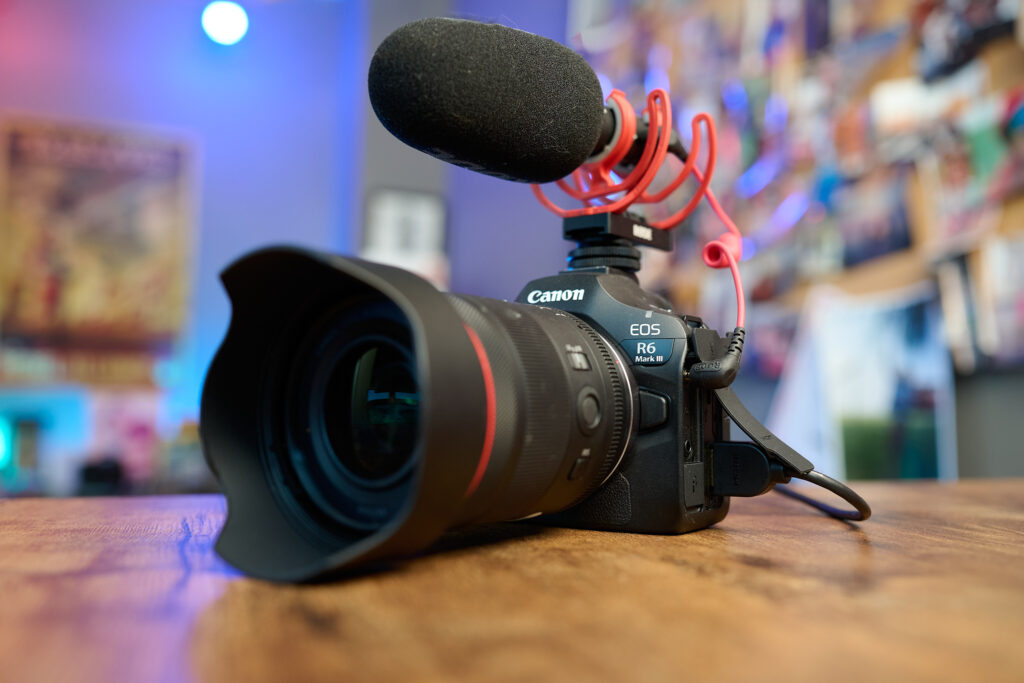
Table of Contents
-
 Watch Our Full Video Review
 -
Features – What has and Hasn’t Changed From the R6 II.
-
Massive Video Improvements in the R6 III
-
Handling and Autofocus
-
Image Quality
-
Video In The Field
-
Purchase Recommendations
-
Video Feature Comparison
-
Canon R6 II and R6 III Comparison
-
Canon R6 III – Photo and Video Specs
 Watch Our Full Video Review


The Canon EOS R6 Mark III is a full-frame mirrorless camera designed for hybrid creators with professional-grade features in both stills and video.
Its 32.5-megapixel CMOS sensor and DIGIC X processor is used fast burst shooting—up to 40 frames per second electronically or 12 frames per second mechanically—with Dual Pixel CMOS AF II autofocus. In-body image stabilization provides up to 8.5 stops of correction with optically stabilized lenses. AF subject detection gives reliable focus across portraits, wildlife, and action, though it lacks the action based focus of the higher end Canon models.
It is a video-first hybrid with recording up to 7K, over sampled 4K up to 120p, and 180fps slow motion capture. It can record raw internally. The R6 III features dual card slots including CFexpress Type B for high-speed data and a SD slot, and has a full-size HDMI port,
- High-resolution 32.5MP full-frame CMOS sensor delivers detailed stills and sharp oversampled video.
- Dual Pixel CMOS AF II with advanced subject detection for accurate tracking in photo and video.
- Up to 40 fps electronic and 12 fps mechanical burst shooting.
- 5-axis in-body image stabilization offering up to 8.5 stops of correction.
- Internal 7K RAW and oversampled 4K 60p recording with 10-bit 4:2:2 color.
- Dual card slots (CFexpress Type B + UHS-II SD) for speed and redundancy.
- Full-size HDMI port for reliable external recording and monitoring.
- Tally lamps, waveform display, and magnify-while-recording features for pro workflows.
- Familiar, weather-sealed body with intuitive Canon controls and vari-angle touchscreen.
- Excellent power efficiency using the new LP-E6P battery (~600 shots per charge).
- No built-in cooling system; extended 7K or 4K 120p recording may trigger thermal limits.
- Slightly reduced maximum ISO range compared to previous models.
- Subject Track IS involves a small crop when active.
- CFexpress media is required to access the top recording modes.
- Still limited to one CFexpress slot instead of two for full redundancy as the SD slot is slower than CFexpress.
- Sensor: 32.5MP full-frame CMOS
- Processor: DIGIC X
- Image Stabilization: 5-axis IBIS, up to 8.5 stops coordinated with IS lenses
- Autofocus System: Dual Pixel CMOS AF II with subject detection
- ISO Range: 100–64,000 (expandable to 204,000)
- Continuous Shooting: 40 fps electronic / 12 fps mechanical
- Video Recording: 7K RAW up to 60p; 4K 10-bit 4:2:2 up to 120p
- Viewfinder: 3.69M-dot OLED EVF
- LCD Screen: 3.0-inch vari-angle touchscreen
- Storage: CFexpress Type B + UHS-II SD dual slots
- Battery: LP-E6P (approx. 600 shots per charge)
- Ports: Full-size HDMI, mic, headphone, USB-C
If it feels like new camera models have fewer upgrades for the photographer, yet massive upgrades for video creators, you’re not wrong.
The Canon R6 III is a modest (yet important) update for photography, but nearly a brand new camera from a video standpoint. For still shooters, the Canon R6 III feels almost identical to the R6 II, while the R6 III is so much better at video that the R6 II seems almost comically underperforming by comparison.
Because Canon and Nikon caught up to the sophistication of Sony’s full-frame mirrorless system, all three companies have been introducing models with only modest improvements in photo features, but major upgrades in video specs.
There are a few reasons why new models seem so video-centric.
The most obvious is that camera processor power and storage are improving at a fast enough clip to have caught up to basic 4K capture, and now can do professional-level recording in enthusiast-level bodies.
The competitive landscape is another reason cameras are getting more video features. The video creator economy is booming, thanks to YouTube, TikTok, Instagram, and dozens of other social media tools. A camera’s features follow the money, and the money is in video.
But for photographers, we might be seeing the end of radical improvements in photography-specific features in hybrid cameras, and settling back to the incremental improvements of the DSLR era.
Simply put, it’s because there’s not a lot more you can do with still photography. Cameras now come with 40 frames per second capture, they have more than a dozen stops of dynamic range, and eight or more stops of In-Body Image Stabilization (IBIS) when body and IBIS are combined. Newer CFexpress cards and in-camera buffers provide stupendous write speeds.
It’s not surprising then that the R6 III has more features than its Mark II predecessor, but fewer of them are targeted to the photographer.

Watch Our Full Video Review
Features – What has and Hasn’t Changed From the R6 II.
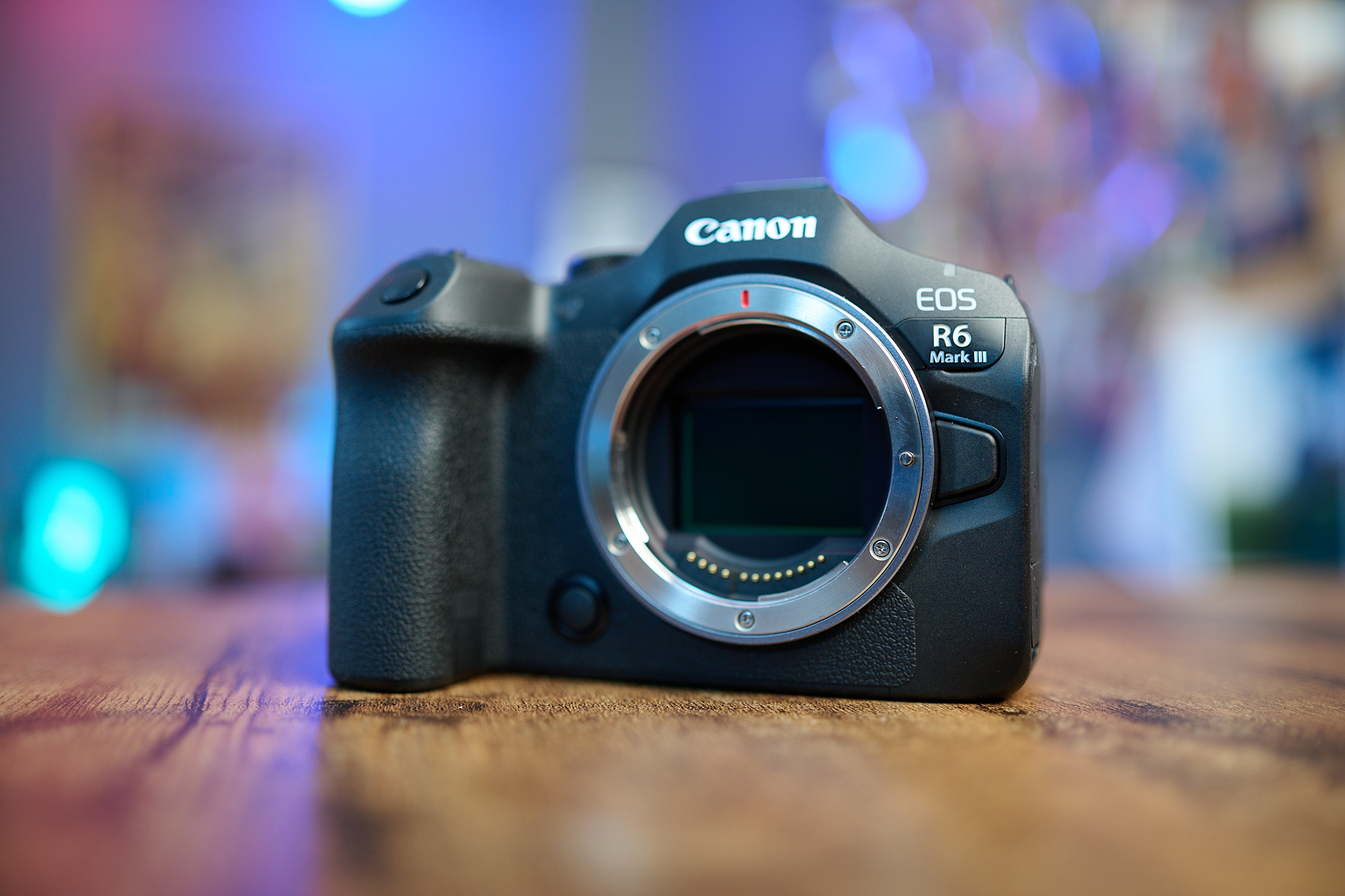
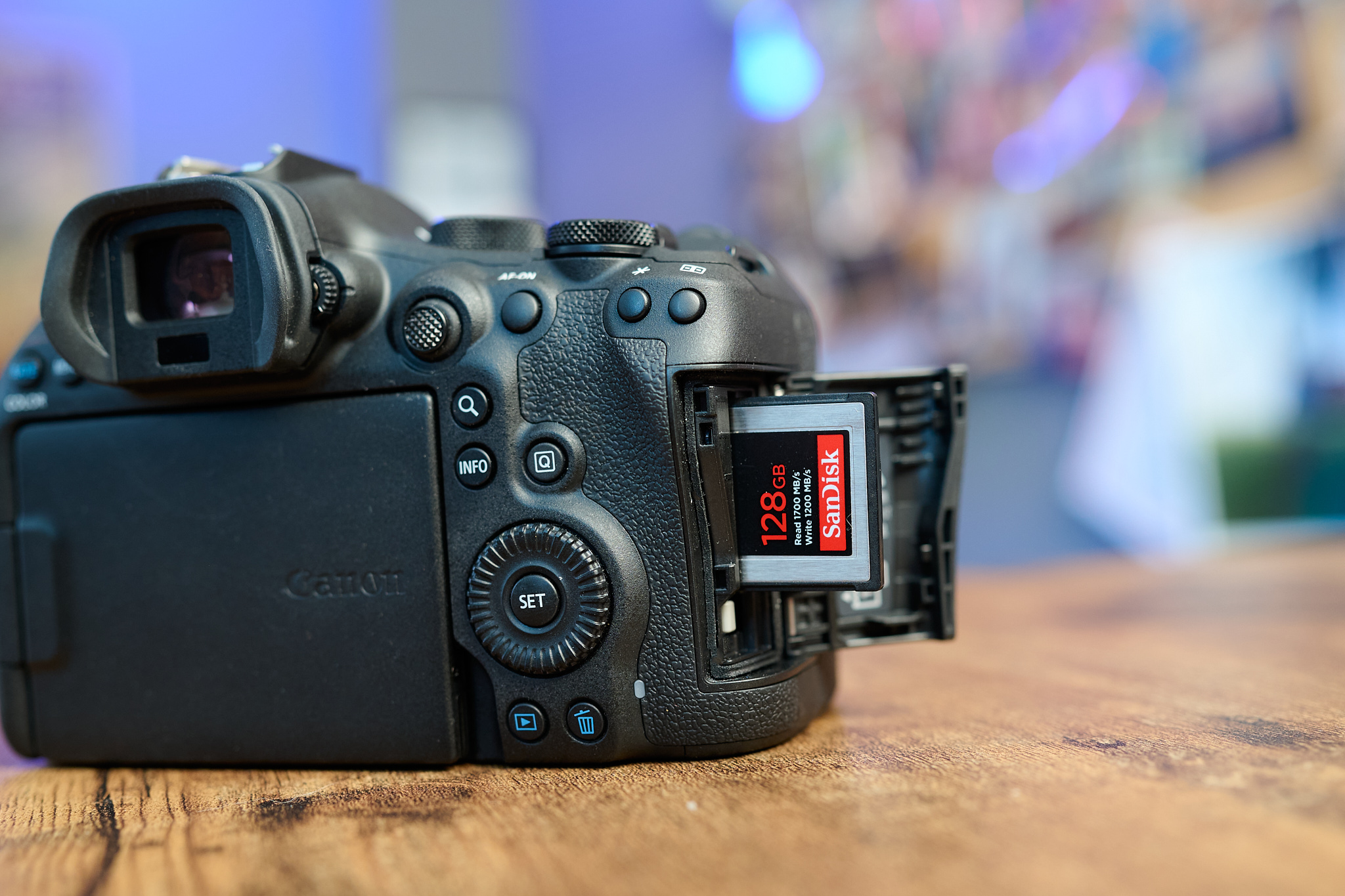
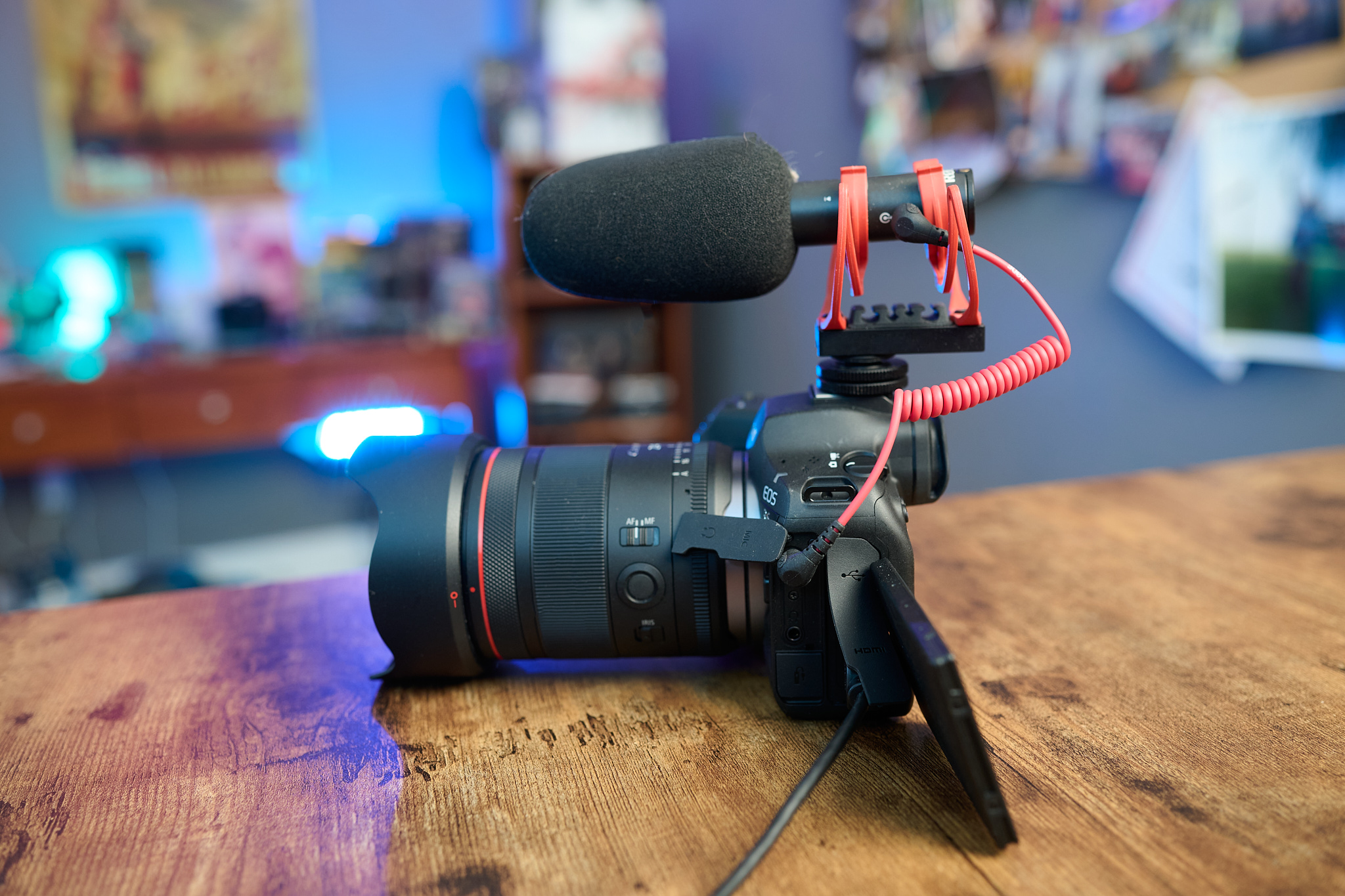
In ergonomics and features, the R6 III is practically unchanged from the Mark II, with the biggest difference being a new battery and the addition of the CFexpress Type B (CFe Type B) slot. A new full-size HDMI port is a welcome addition to the body, as the smaller HDMI port on the R6 II is prone to breaking. There’s now a tally light on the front for recording video, and as someone who has blown many a shoot forgetting to hit record, that’s a great addition.
There’s a tweak to the top dials with the addition of a Slow and Fast mode, but essentially, the camera is indistinguishable from the R6 II just from looks alone.
Internally, the camera gains a new 32.5 megapixel sensor versus 24.2 for the R6 II, and new AF algorithms improve AF detection and “stickyness.” The R6 III does not have the action AF found in Canon’s newer high-end bodies, but the improvements over the Mark II are noticeable, if not major. The focus system is now very similar to the new C50 cine body.
In my tests, the AF system was improved (as advertised), but still a bit sluggish-feeling compared to the R5 II. One of my favorite subjects to test autofocus is birds in flight because they move quickly, change direction rapidly, and have such teeny tiny eyeballs.
IBIS is about a half-stop better when combined with optically-stabilized lenses. ISO sensitivity has increased from ISO 64000 to ISO 102,400, which is expandable to an absurd ISO 204,000, perfect, I suppose, for capturing photos of Navy SEALs operating under the cover of night.
Both share the same 40 frames per second (fps) and 12 fps mechanical capture rates, while the pre-capture rate improves just slightly from .3 seconds to .5 seconds.
For still photography, that’s pretty much all that has changed. See our photo and video spec charts below for a complete comparison.

Massive Video Improvements in the R6 III
The Canon EOS R6 Mark III is a big leap in Canon’s hybrid video system. The improved video features make it more closely resemble the new one than the R6 III. The video overhaul feels similar to the Canon 5D series, which saw major video improvements in each model.
The new camera now has 7K internal RAW up to 60p, and oversampled 4K for 10-bit 4:2:2 full-sensor capture. The R6 III captures 4K 120p with audio, which Canon says is a first for cameras in this class. At 2K it has a staggering 180p. Videos can be recorded in XF-AVC and HEVC, and impressively, it now has All-Intra recording.
To help with post-processing color editing, the R6 III can record in both C-Log 2 and C-Log 3, on par with Sony and Nikon bodies at this price range. The CFexpress Type B card allows for that internal RAW recording.
With 7K internal RAW, 4K 10-bit 4:2:2, the faster frame rates, and the pro-level grading, make the R6 III one of the most impressive video cameras in Canon’s lineup, and in the market in general.
The new Slow and Fast dial on the top deck gives shooters quick access to the super-fast and super-slow recording settings, which saves dives into the menu system. Canon’s menu system is uncluttered and easy to use, but preventing trips to the menu is always good.
The R6 III doesn’t stop at a new video codec and raw recording; it has gained quality of life improvements. The Mark II has waveform monitors, tally lamps, a tool to magnify the video image while still recording to check focus, and has shockless white balance. Canon says that the new focus acceleration and deceleration speeds have been tweaked ot create better focus racking with autofocus.
Canon makes a capable app for image transfer and for camera control, though I couldn’t test it for this review as it only works with publicly available cameras. Based on the functionality of the other Canon cameras, the ease of image transfer is a plus compared to many different company apps.
Handling and Autofocus
If you liked the design of the R6 II, you’ll enjoy the design of the R6 III, as it’s virtually unchanged from the Mark II body. I’ve always liked the feel of Canon’s sculpted grip better than some competitor designs. Even shooting with the long, holding the body lightly by the grip was no problem, and felt well-balanced.
I wish that the R6 III had gained a better EVF and LCD screen, as they’re a bit low-res for the price of this camera. Most of the time, I’d shoot video with this camera; I’d have it hooked up to an external HDMI display anyhow, so it’s not a dealbreaker for me, but it’s disappointing with a new upgrade of this system.
I’ve never been a fan of the placement of the photo and video control switch on the left side of the body. It requires a second hand to toggle modes, which I find annoying. I know the switch is placed on the left to prevent accidental toggling, but I prefer the placement of the switches on the Nikon, Sony, and Panasonic systems, which are found on the right side of the camera..
Performance feels identical in every way, as the camera is almost identical in every way. The change in pre-capture speed is impossible to detect, since it’s working in the background and is very slight.
Also impossible to detect are the improvements in IBIS. A half stop of increased stabilization with an optically stabilized lens is so minimal when capturing still that it is also impossible to detect.
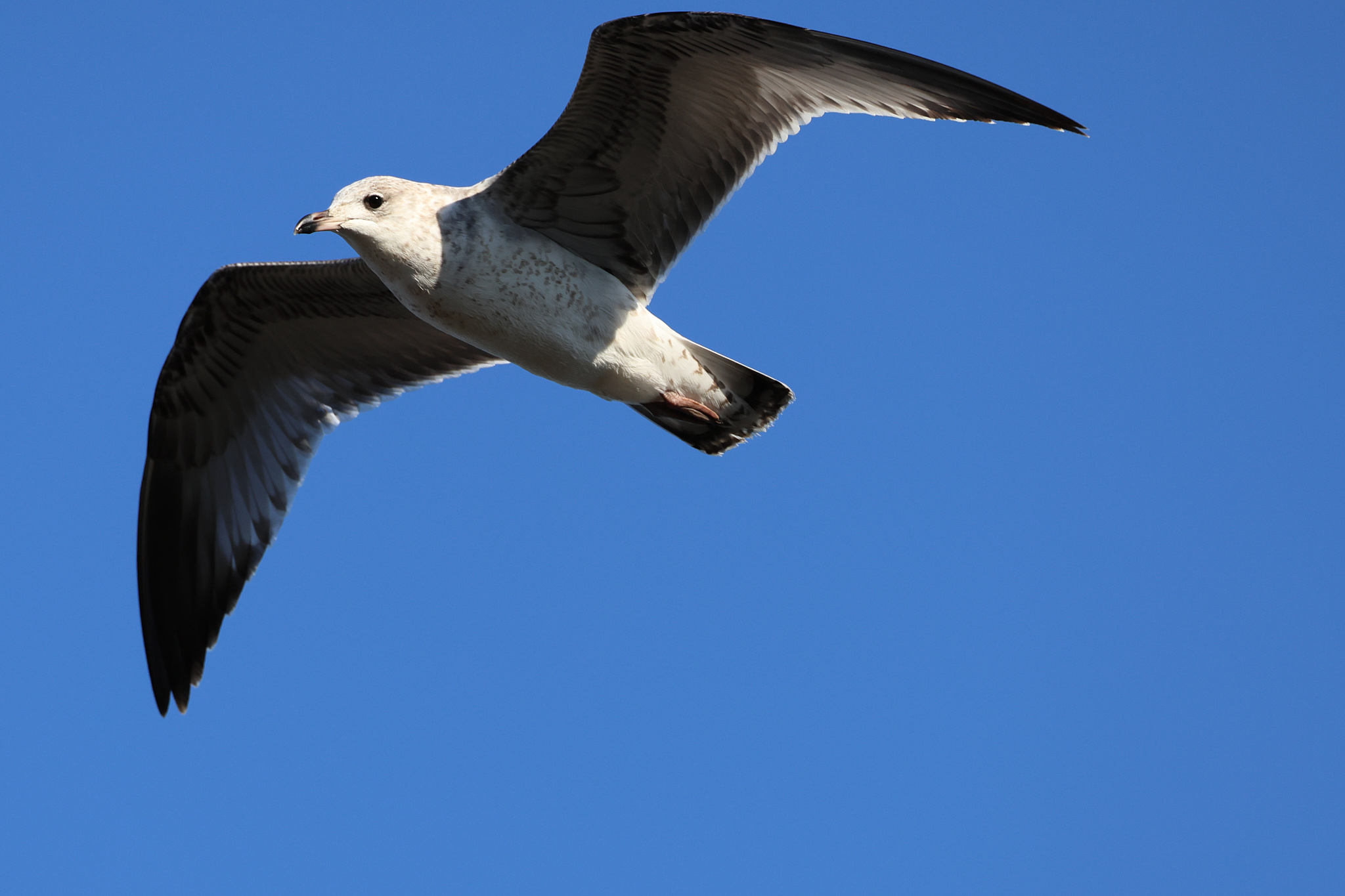
In video operation, though, the added stabilization is more apparent. I shot with the Canon 100-500mm at the full 500mm length, and while the video was not perfectly stable while handholding, I would not expect it to be. The resulting footage was easily stabilized in post, albeit with the crop necessary to keep such a long focal length still.
The AF is noticeably better, though still not on par with Canon’s cameras featuring activity detection. I still found hunting on animal detection mode, and when photographing birds (which do not have their own detection setting), the camera would often jump to the closest bird, and not focus on them as the primary subject moved around.


Animal eye detection and tracking are still better on some competitor cameras, even the Sony a7C II, which is a fraction of the price of this camera. Sony and Canon trade off AF capabilities, with some subjects more accurately tracked on each system. I shot the high-resolution A7c R while on a safari in Brazil, and it was able to lock onto the eyes of birds as they flew through tall grasses, while this R6 III would indicate it was following the whole bird rather than its eye, and lost track against complex backgrounds.
Still, it’s a powerful AF system, and it’s better than the predecessor. The action-priority focus system found in the higher-end cameras would have been a welcome addition, but at least the R6 III sees an overall improvement.
Possibly it’s just that the Sony system has a better implementation of displaying the focus points, keeping the focus indicator firmly on the eye of a moving person or animal. At the same time, the Canon AF seems to track eyes nearly as well, but doesn’t always display a small box over the eyes of the subject.
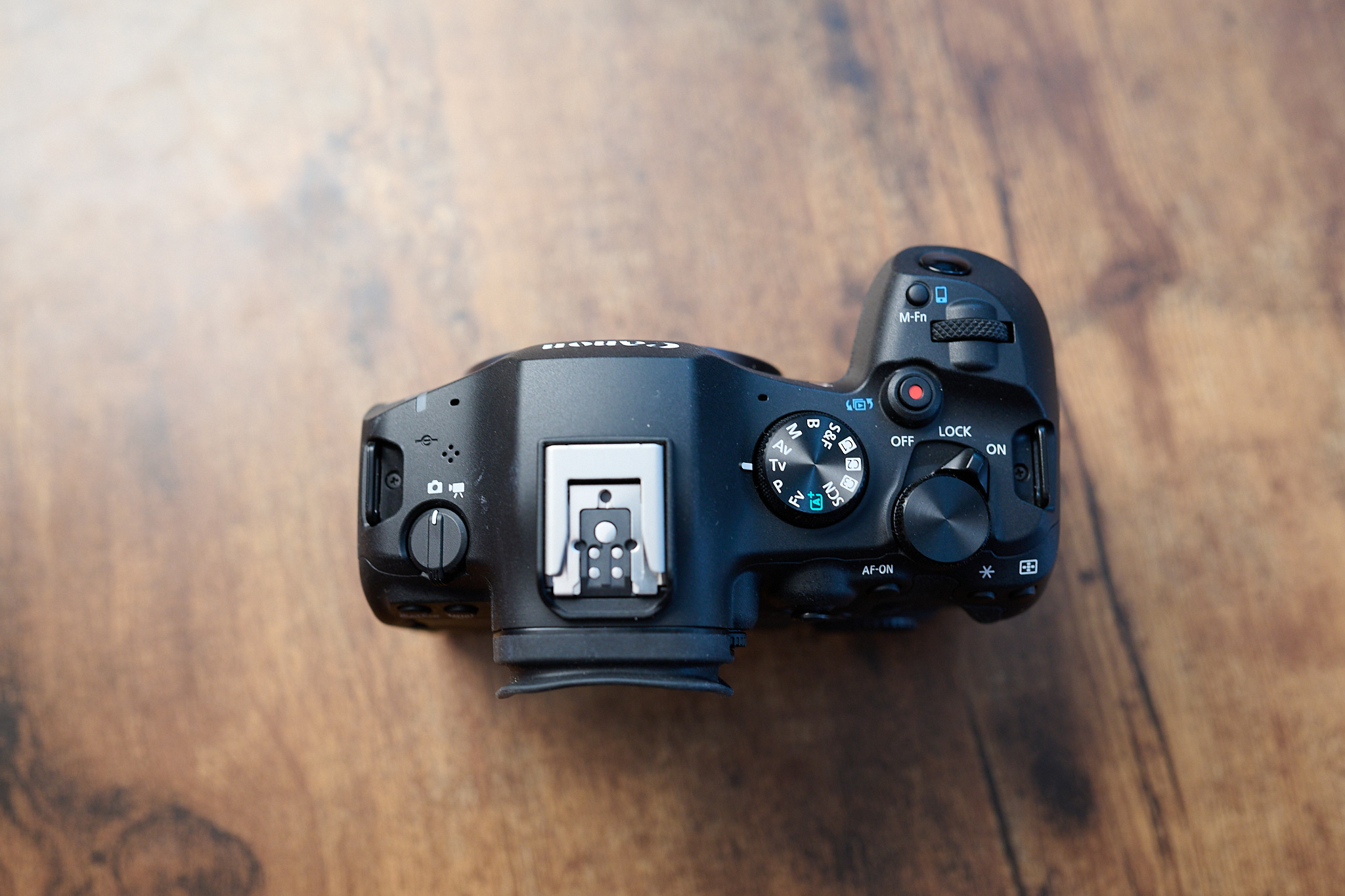
Image Quality
The R6 III is a more-than-capable camera for any subject, from landscapes to portraits to editorial to sports.
Canon’s praised “color science” is on full display in the R6 III. Fall foliage images are nicely saturated without being overblown. The blues of the sky are vibrant, and skin tones are neutral. Evaluating RAW files required the beta version of Canon’s Digital Photo Professional (DPP)software, which is cumbersome, to put it mildly.
For reviews, I avoid heavy editing, sticking largely to cropping and exposure adjustments to compensate for in-field mirroring. Since I’m not familiar with the editing tools in Canon’s DPP, I opened the raw files in Canon’s software, exported them as 16-bit TIFFS, and then imported them into Capture One.
After all the moving back and forth, I found the out-of-camera JPEG files ot be very similar to the 16-bit TIFF files created from the RAWs, only a bit brighter and more saturated than the raw files. This is to be expected, and it goes to show how good the JPEGs are from modern cameras.
As with all JPEG files, even the high-res ones started to fall apart under heavy editing, but for capture-and-done workflows, the JPEGs are excellent.
There should be raw converters from Adobe and Capture One around the release date of this camera.


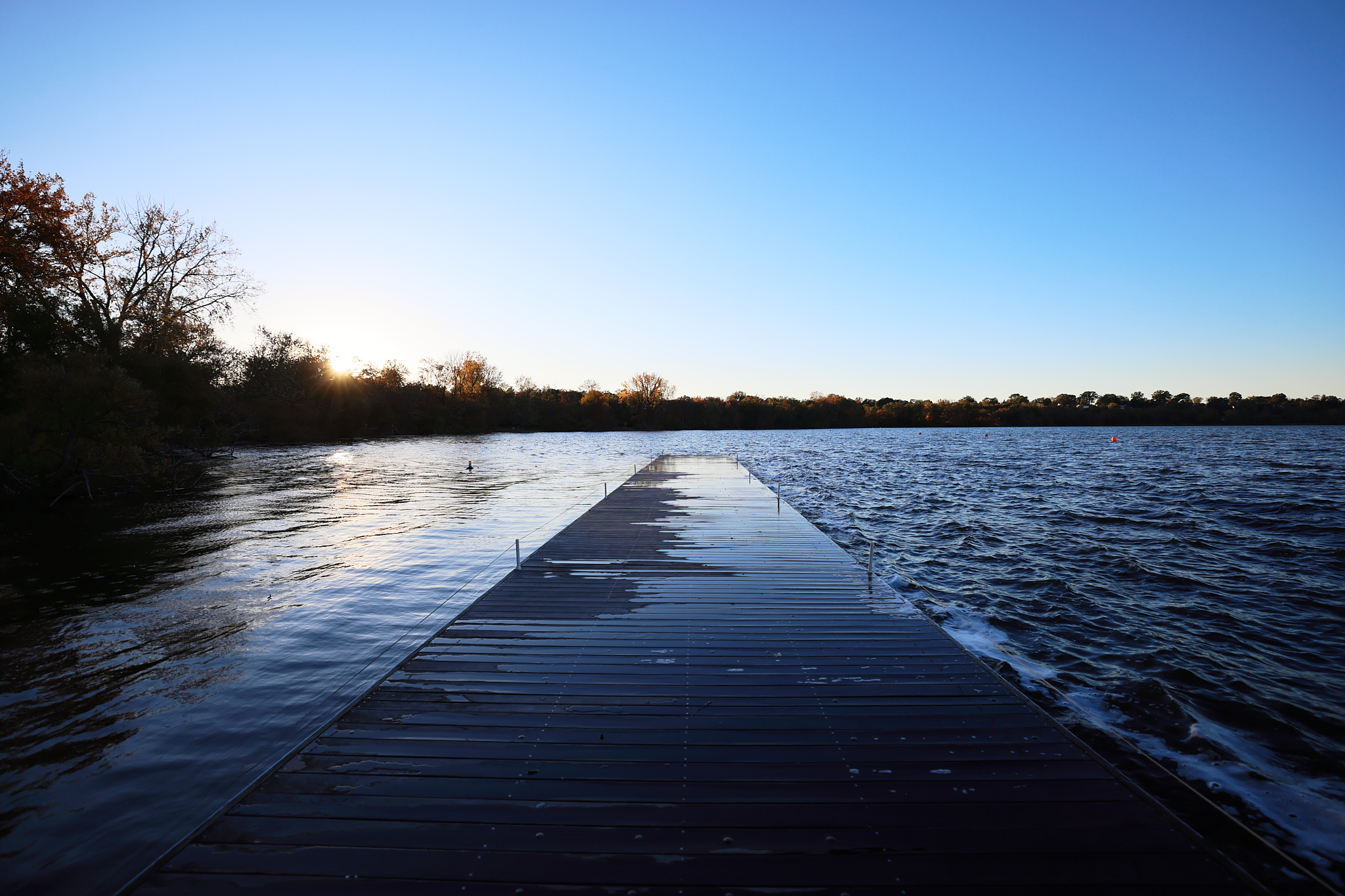
The R6 III also captures in HEIF, a better format than JPEG for color adjustments without using raw files, though Capture One, which I use for image editing, does not support 10-bit HEIF for some reason, so I used the Canon workflow.
Like with other Canon cameras, raw files can be created in several sizes. These various raw sizes were more helpful on lower-powered computers that were standard years ago, but most modest computers and above have no problems with the full-sized raw files. The smaller formats reduce storage requirements, but I’d rather pay more for storage than throw out image data. If you’re upgrading to a higher-resolution camera, using a smaller raw file doesn’t make much sense to me.
It’s not surprising that the image quality is excellent, particularly with Canon’s sharper lenses. I shot with the Canon RF100-500mm F4.5-7.1 L IS USM.
The image quality on the 100-500mm is slightly muddier and with low contrast at the long end, while prime lenses like the Canon RF35mm F1.4 L VCM Lens make superbly sharp images.
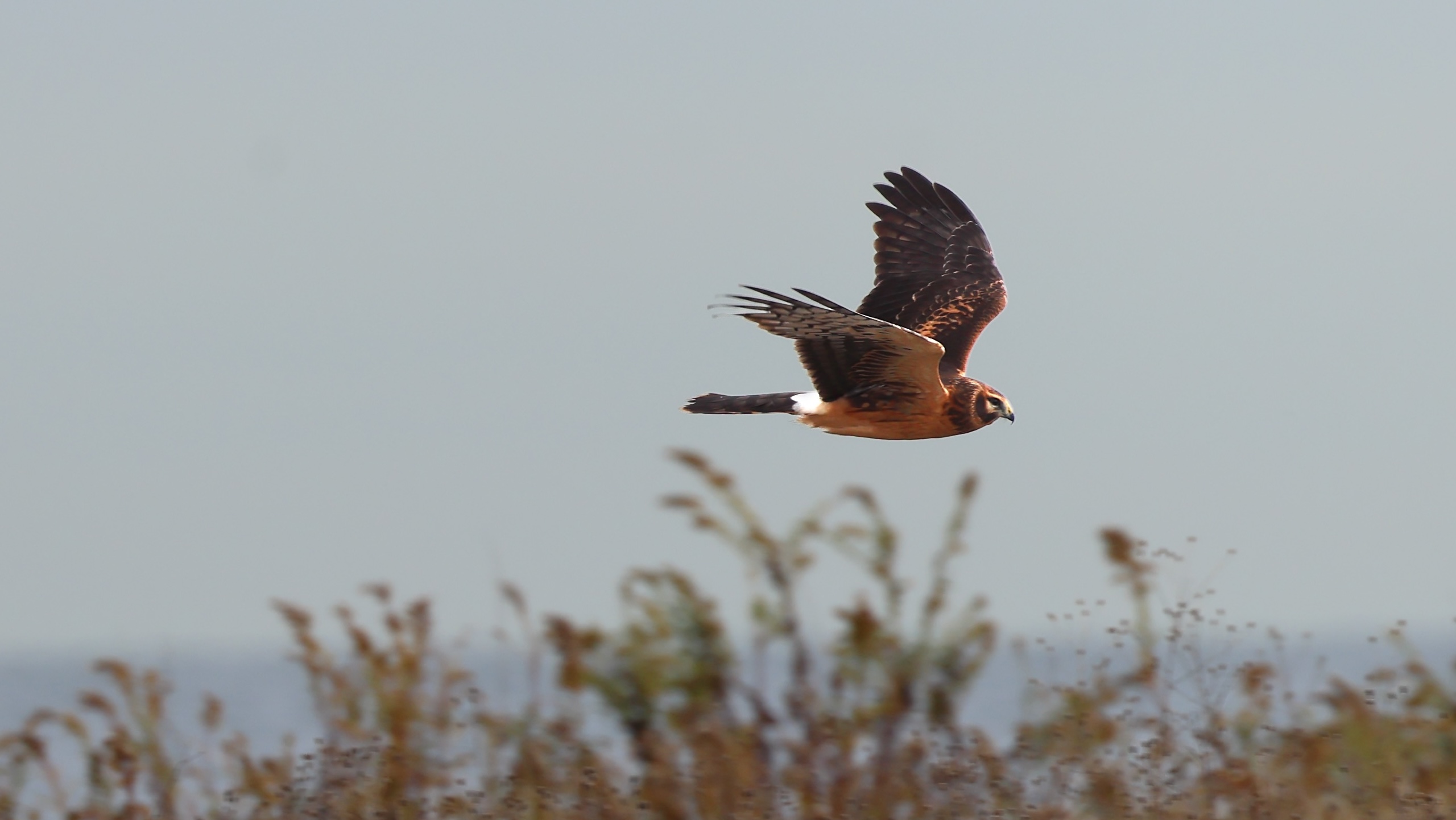
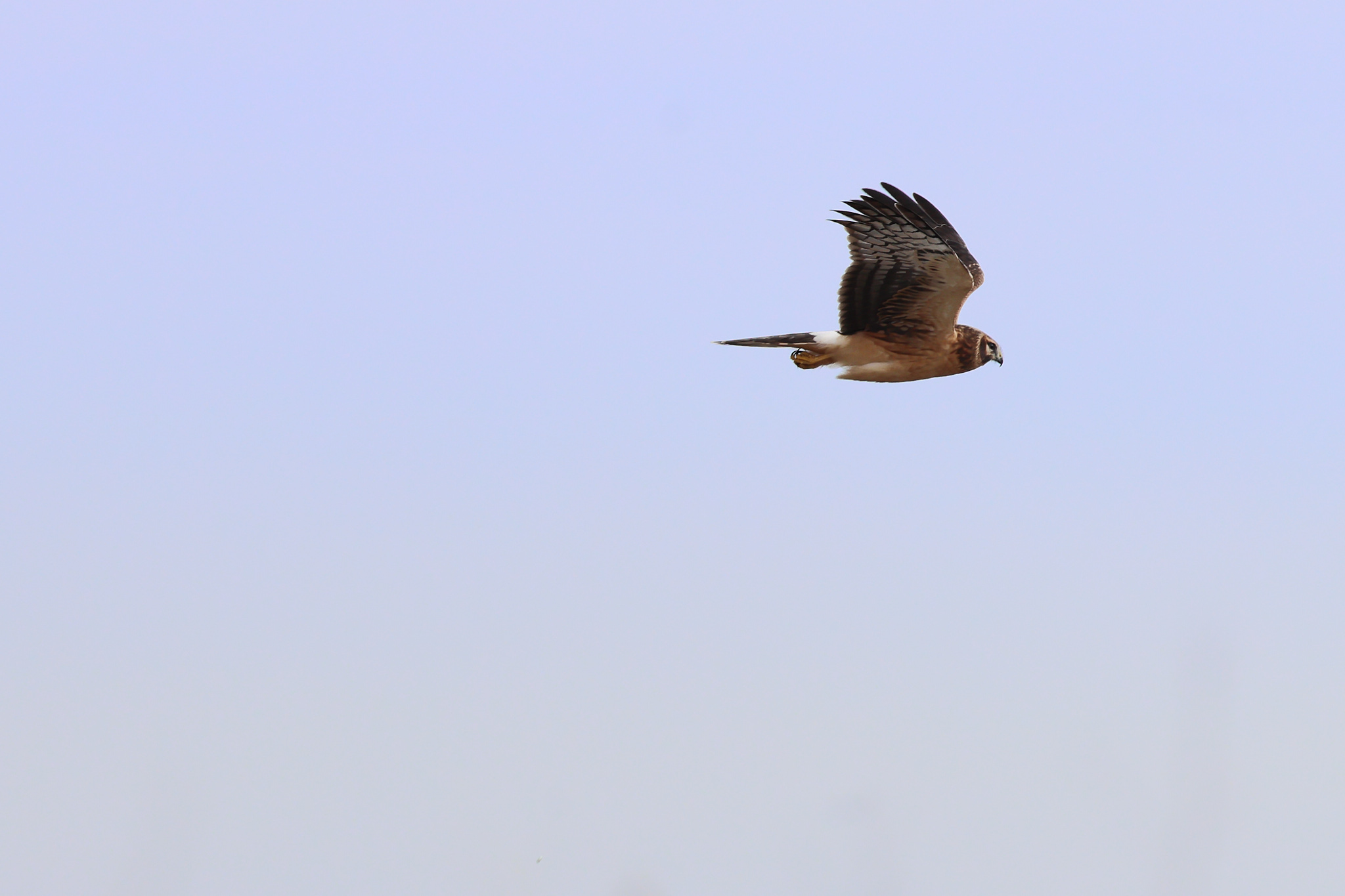
Thanks to the higher resolution sensor in the R6 III compared to the R6 II, I was able to crop photos like this Northern Harrier without losing detail in the image.
I used the long 500mm focal length of the RF 100-500mm lens to create a close-up of this dragonfly, and the compound eyes are clearly visible in the shot, as is the bright color of its head.

Interestingly, animal-detect AF mode locked onto the face of the dragonfly, despite it not looking like any mammal I’ve ever seen.
Video In The Field
The interesting thing about video features is that they’re hard to write about and hard to show off on something like YouTube. The 7K recording is a massive improvement, and it allows for pretty extreme post-capture cropping and reframing. When 4K first showed up in cameras, it was used similarly. Most YouTubers edit and upload in 1080p, due to the processing requirements for editing, and YouTube’s lackluster support for 4K.
Many consumers had yet to upgrade to 4K televisions when the capture resolution showed up in mirrorless cameras, making 4K perfect for cropping to HD. Likewise, 7K recording isn’t intended to display footage in 7K, but to provide wide latitude in editing composition.
I found absolutely no overheating while shooting in any resolution or codex, though most of my testing occurred in early fall in New York, where daytime temperatures hovered around 60 degrees.
Video quality is excellent, just as was the case with the R6 II; improvements come down to post-processing editing. I did not have a LUT specific to this camera. Still, generally Canon C-Log2 and C-Log 3 worked for basic color correction, and the 10-bit overhead allowed for corrections without highlights getting overblown.
For audio in studio use, it connects to the digital hot shoes on the R6 III for cable-free audio recording. I did not have access to that XLR adapter, but I’ve used it previously on other camera systems with good results. It makes the R6 III one of the best choices for the studio where creators also want a capable photography camera.
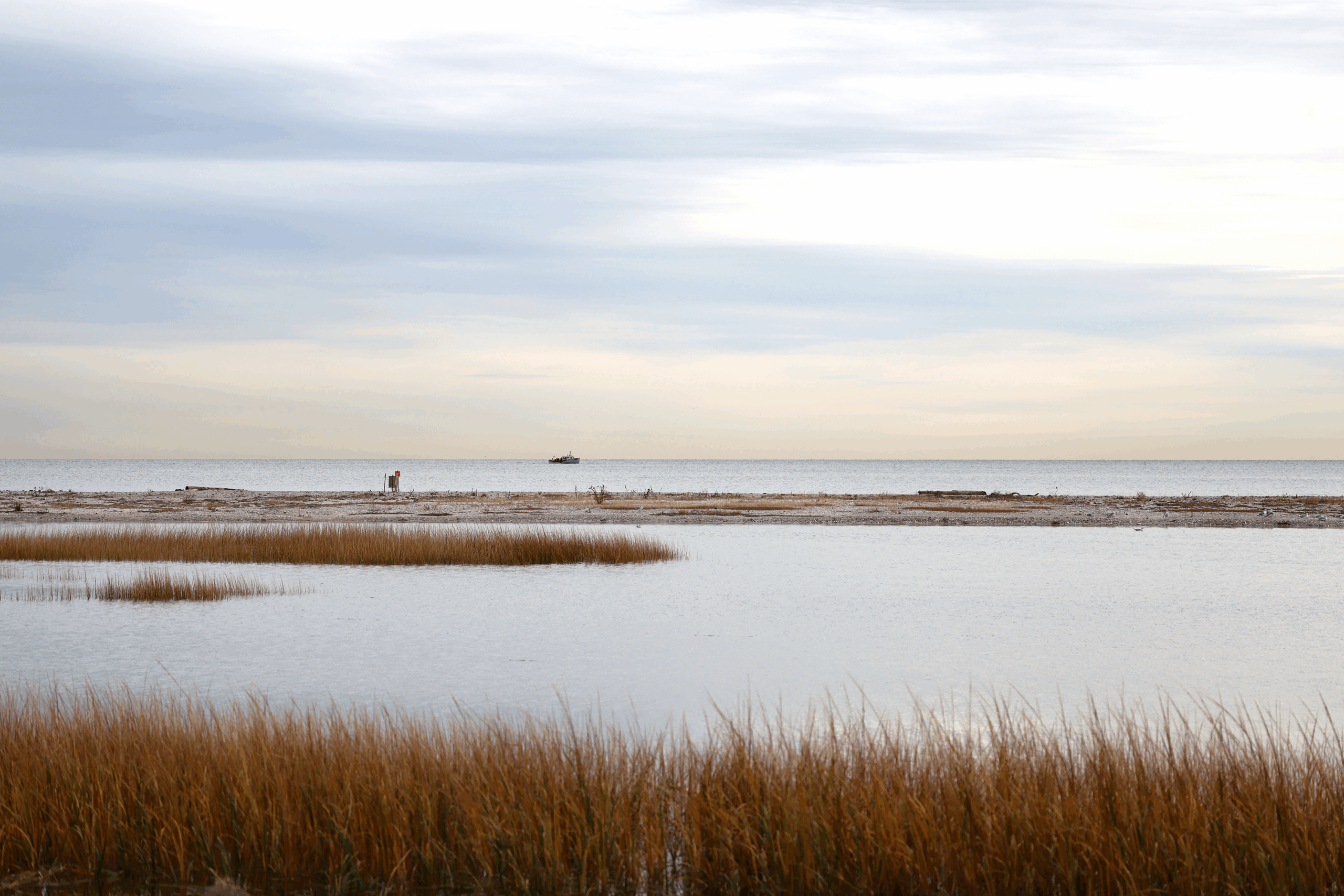
At the Connecticut Audubon Society Cosal Center wildlife refuge, I was able to capture murmurations of starlings at 180 as they shifted and changed patterns in the air. I also captured a dragonfly at 180fps as it lifted from a handrail on the beach walkway. If you’ve ever seen how fast a dragonfly moves, you’ll understand how impressive that is without a specialized camera.

Purchase Recommendations
If you’re a stills-only user of the R6 II, the R6 III is probably not worth upgrading to unless you need the higher-resolution sensor, tweaked AF, and bigger battery. With the performance of the R6 III so close to that of the R6 II photo-wise, it’s a complicated upgrade path.
Canon says the R6 II will remain in the lineup. Any price changes to the R6 II won’t be announced until after launch, so I have no direct cost-based recommendations, but as the R6 III is being released ahead of Black Friday, I suspect we’ll see at least temporary discounts on the R6 II.
However, if you’re an expert-level or pro-level video-shooter, or this is your first Canon camera, and you’re looking to shoot both photos and videos, this is a no-brainer.







Canon R6 Mark III vs Canon R6 Mark II — Comparison Summary
Video Feature Comparison
| Feature | Canon R6 Mark III | Canon R6 Mark II |
| Sensor Resolution | 32.5MP full-frame CMOS (7K oversample) | 24.2MP full-frame CMOS (6K oversample) |
| Processor | DIGIC X | DIGIC X |
| 4K Recording | Full-width 10-bit 4:2:2 DCI 4K up to 60p, oversampled from 7K | Full-width 10-bit 4:2:2 4K up to 60p, oversampled from 6K |
| High Frame Rate Video | 4K up to 120p with audio (likely line-skipped) | 1080p up to 180p, no 4K 120p |
| RAW Video | Internal 7K RAW up to 60p; 7K Open Gate up to 30p (RAW or HEVC) | No RAW internal recording |
| DCI Support | Full-width DCI 4K and 2K | UHD only (no full-width DCI) |
| 1080p / 2K Options | 2K/1080p up to 60p oversampled from 3.5K; 2K up to 180fps (13% crop, audio supported) | Full HD up to 180fps (cropped, no audio) |
| Codecs | XF-AVC & HEVC; adds All-Intra recording (previously IPB only) | IPB only (H.265 / H.264) |
| Slow & Fast Mode | New adjustable playback and burn-in options | No dedicated mode |
| Focus Behavior | Advanced focus acceleration/deceleration algorithm | Standard Dual Pixel CMOS AF II |
| Autofocus Modes | Dual Pixel AF II with Register People Priority | Dual Pixel AF II with Action Priority |
| Video Assist Tools | Waveforms, tally lamps, and magnify while recording | Focus peaking, zebras |
| White Balance in Video | Refined WB with Shockless WB and adjustable response time | Standard auto and preset WB options |
| Picture Profiles / Log | C-Log 2, Log 3, standard styles, V-series color filters | C-Log 3, standard picture styles |
| Stabilization | Up to 6.5 stops IBIS; 8.5 stops coordinated; Subject Track IS | Up to 8 stops coordinated IBIS |
| HDMI Output | Full-size HDMI | Micro HDMI |
| Recording Media | CFexpress Type B + UHS-II SD | Dual UHS-II SD |
| Magnify While Recording | Yes | No |
| Battery Type | LP-E6P (~600 shots) | LP-E6NH (~580 shots) |
| Estimated Price | $2,899 (preliminary) | $2,499 at launch |
Canon R6 II and R6 III Comparison
| Feature | Canon R6 Mark III | Canon R6 Mark II |
| Sensor Resolution | 32.5MP full-frame CMOS (same as C50) | 24.2MP full-frame CMOS |
| Processor | DIGIC X | DIGIC X |
| Native ISO Range | 100–64,000 (expandable to 102,400) | 100–102,400 (expandable to 204,800) |
| Continuous Shooting (Electronic) | 40 fps | 40 fps |
| Continuous Shooting (Mechanical) | 12 fps | 12 fps |
| Pre-Continuous Shooting | Up to 0.5 sec | Up to 0.3 sec |
| Autofocus System | Dual Pixel CMOS AF II with improved algorithm | Dual Pixel CMOS AF II |
| Special AF Modes | Register People Priority | Action Priority |
| In-Body Image Stabilization | 6.5 stops IBIS; up to 8.5 stops coordinated | Up to 8 stops coordinated IBIS |
| Subject Track IS | Yes | No |
| Color / Picture Profiles | Standard + Log + new Color Filters | Standard + Log |
| Buffer Performance | Improved (CFexpress Type B + UHS-II SD) | Dual UHS-II SD |
| Battery | LP-E6P (~600 shots) | LP-E6NH (~580 shots) |
| HDMI Port | Full-size HDMI | Micro HDMI |
| Body Layout | Nearly identical; new Slow & Fast dial mode | Traditional dial layout |
| Tally Lamps | Yes (front and rear) | No |
| Approx. Price | $2,899 (est.) | $2,499 (launch) |
Canon R6 III – Photo and Video Specs
Photo Specs
- 32.5MP full-frame CMOS sensor (same as the Canon C50)
- DIGIC X processor
- Dual Pixel AF II with improved AF algorithm
- No DIGIC Accelerator (so no Action Priority), but includes Register People Priority.
- Up to 40 fps electronic and 12 fps mechanical shutter
- Pre-continuous shooting up to 0.5 sec (improved from R6 II)
- 6.5 stops of IBIS, up to 8.5 stops coordinated with IS lenses (7.5 at periphery)
- Subject Track IS — keeps subject centered via digital stabilization
- New color filter modes (creative looks from Canon’s V-series)
- Native ISO 100–64,000 (expandable to 102,400)
- Same EVF and touchscreen as R6 Mark II
- Improved buffer thanks to the addition of a CFexpress Type B slot + UHS-II SD slot
- LPE6-P battery (same as R5 Mark II, ~600 shots per charge)
Video Specs
- Full-width DCI 4K 10-bit 4:2:2 up to 60p oversampled from 7K (slight quality drop at 60p)
- 7K up to 60p RAW internally
- 7K up to 30p open gate RAW or HEVC (first for a hybrid Canon ILC)
- Full-width 4K up to 120p with audio
- DCI 2K/1080p up to 60p oversampled from 3.5K
- 2K up to 180fps with audio
- Full-width DCI recording is supported
- Slow & Fast mode from Cinema line — choose playback framerate, burn-in slow motion
- Same codecs as C50: XF-AVC and HEVC; intra recording now added (previously IPB only)
- C-Log 2, C-Log 3, and full log/gamut support
- New Magnify Recording Display — check focus while recording
- New video white balance system with shockless WB and adjustable response time
- Tally lamps and waveform monitors included
- Focus acceleration/deceleration algorithm from C50 and C400 for smoother focus pulls.
- Full HDMI port
- Proxy and sub-recording options for RAW video