
Best Instant Cameras in 2025: Our favorite retro Picks From Polaroid, Instax, and More

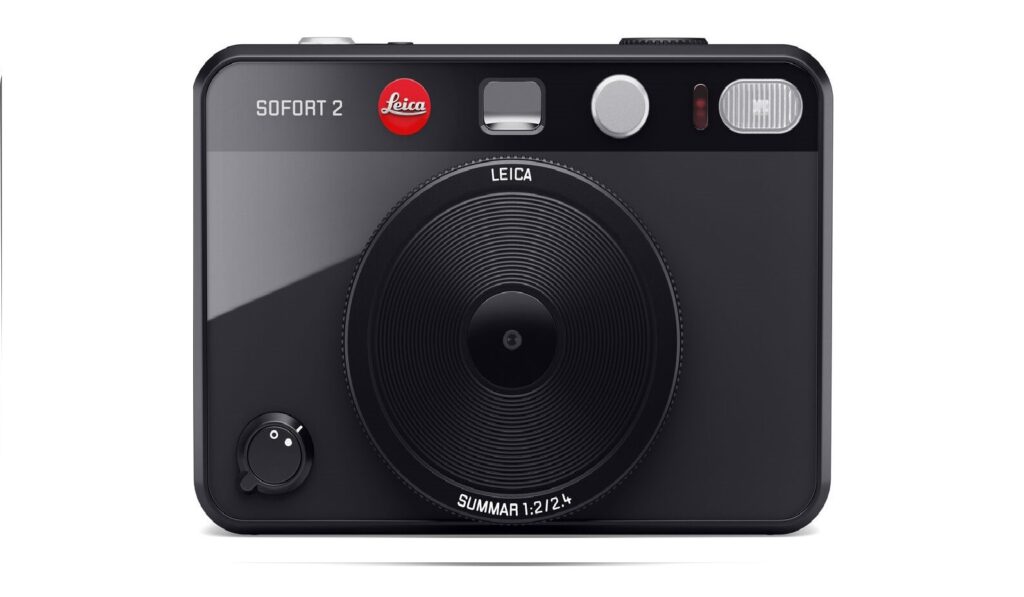
Table of Contents
 Best Instant Cameras: picks at a glance
The best Instant cameras are all about fun, creativity, and tangible memories. Fujifilm leads the category with its Instax line, but Polaroid, Kodak, and Leica each bring unique options. Whether you want a budget-friendly starter, a stylish hybrid, or a premium design statement, there’s an instant camera for every type of creator.
In this guide, we’ll be taking a closer look at some of the best options the market has to offer, highlighting the main features that make each one a great choice for you. So, whether you’re a traveller looking to create lasting memories or someone more traditional who enjoys having a hard copy of their photos, this guide will have an instant camera that is perfect for you.
Best Instant Cameras: picks at a glance
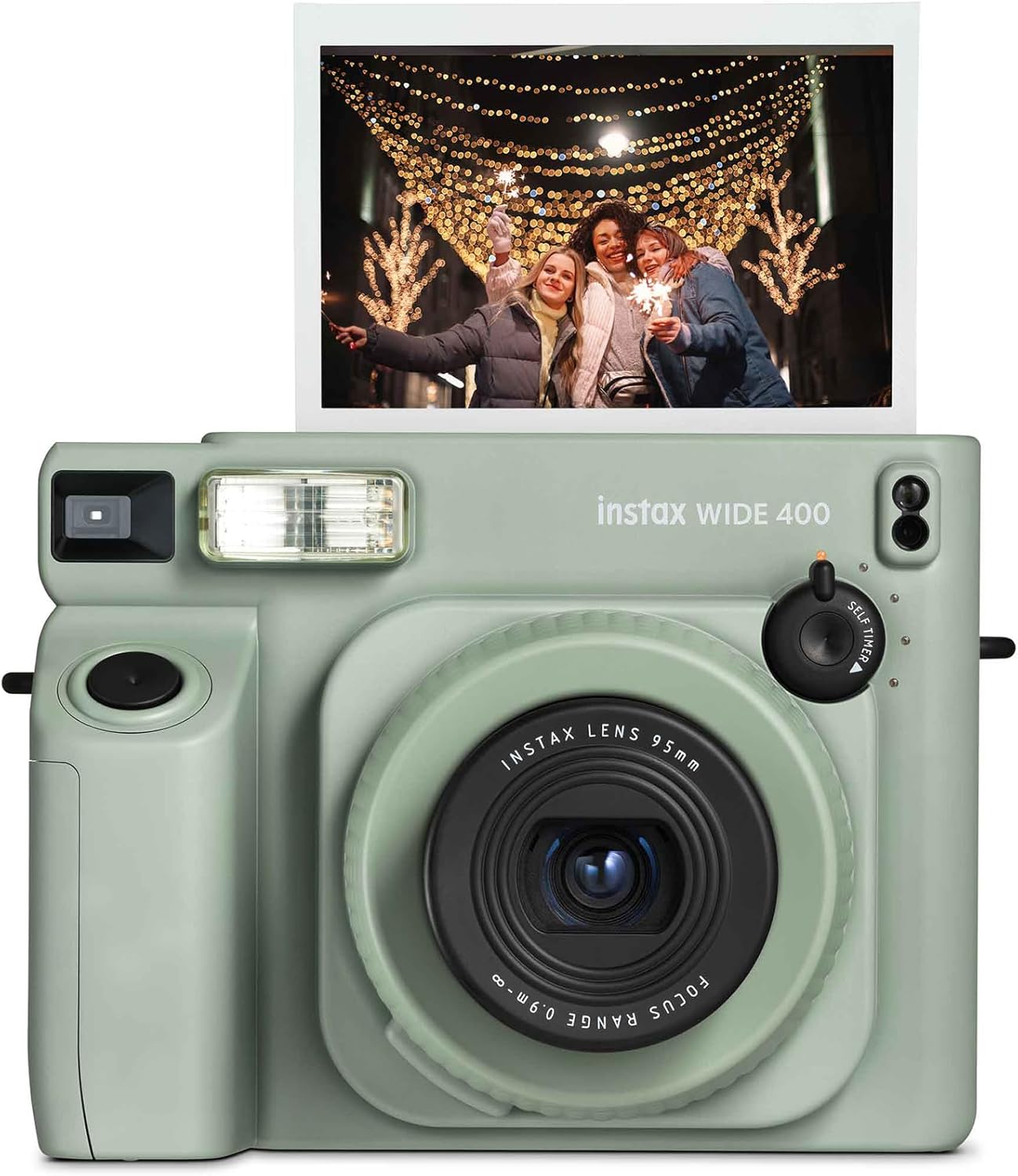
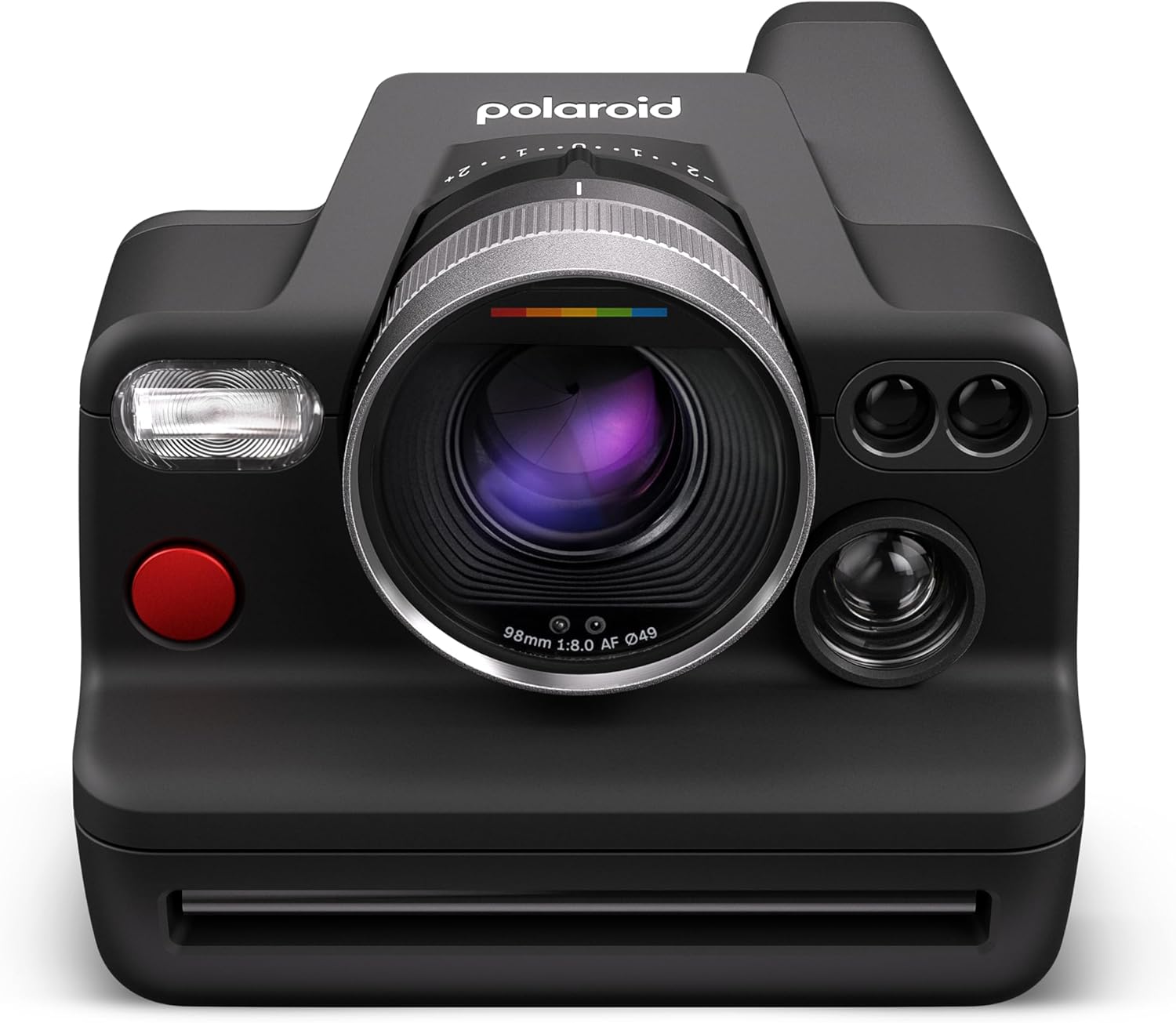
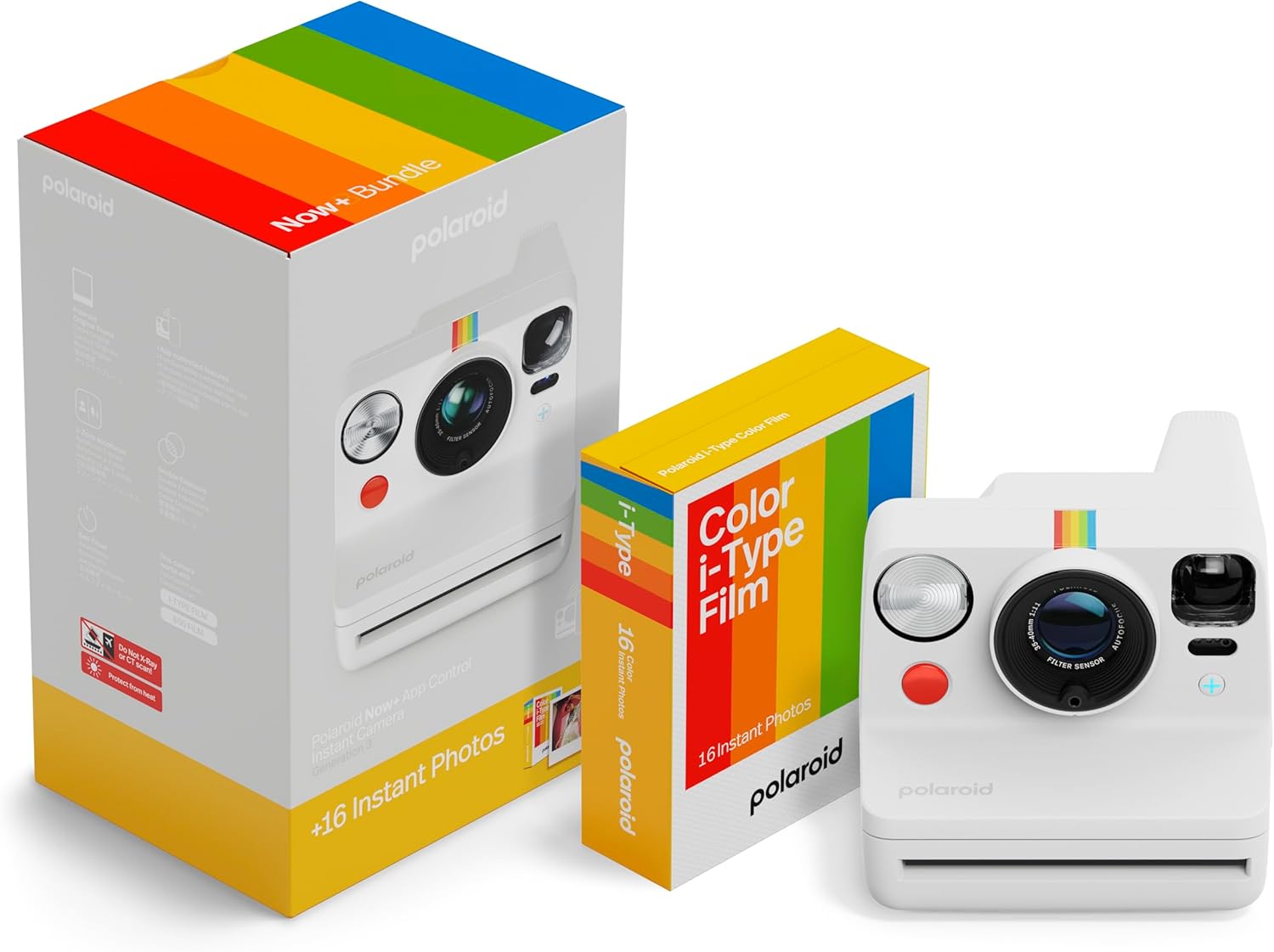
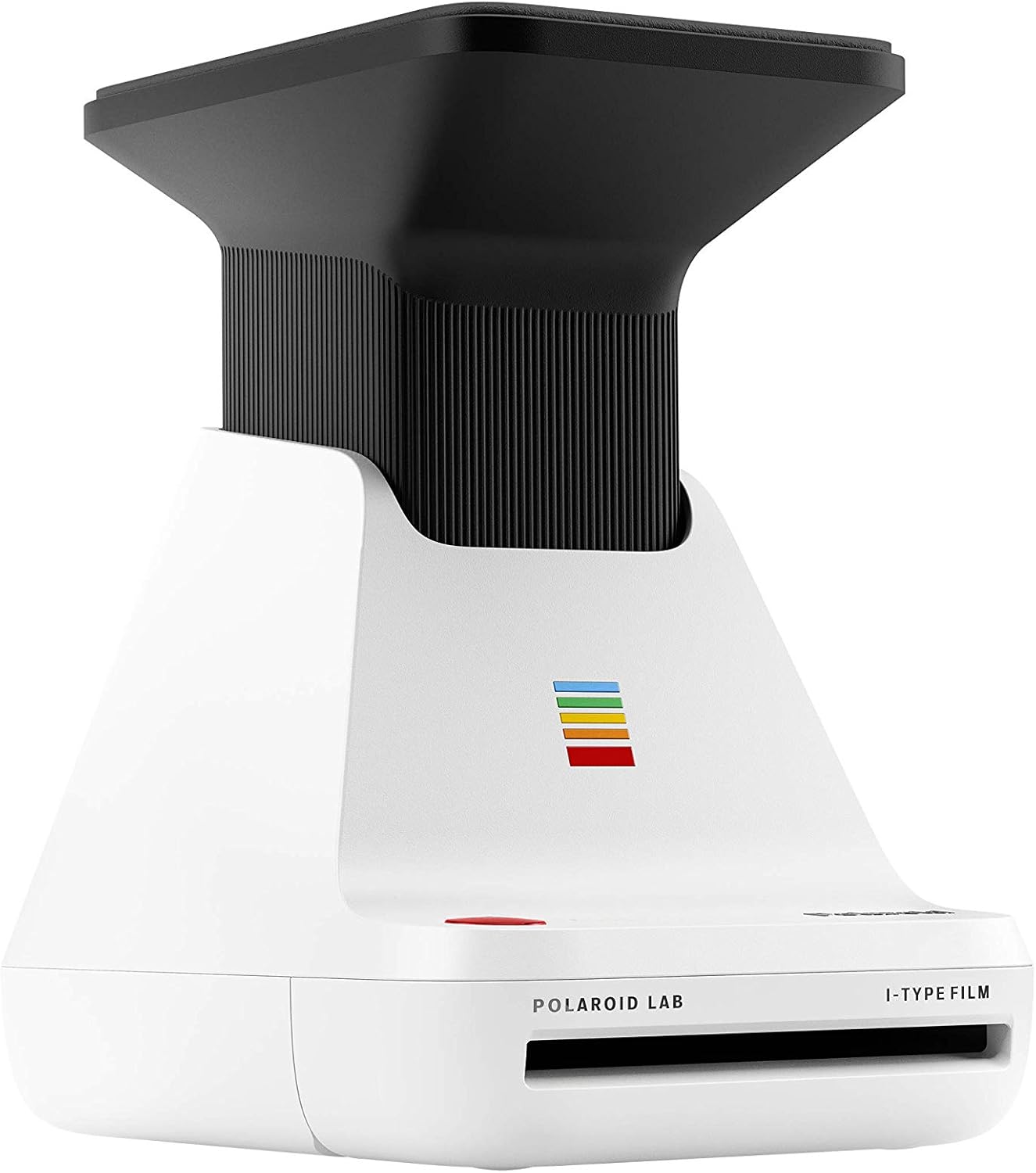
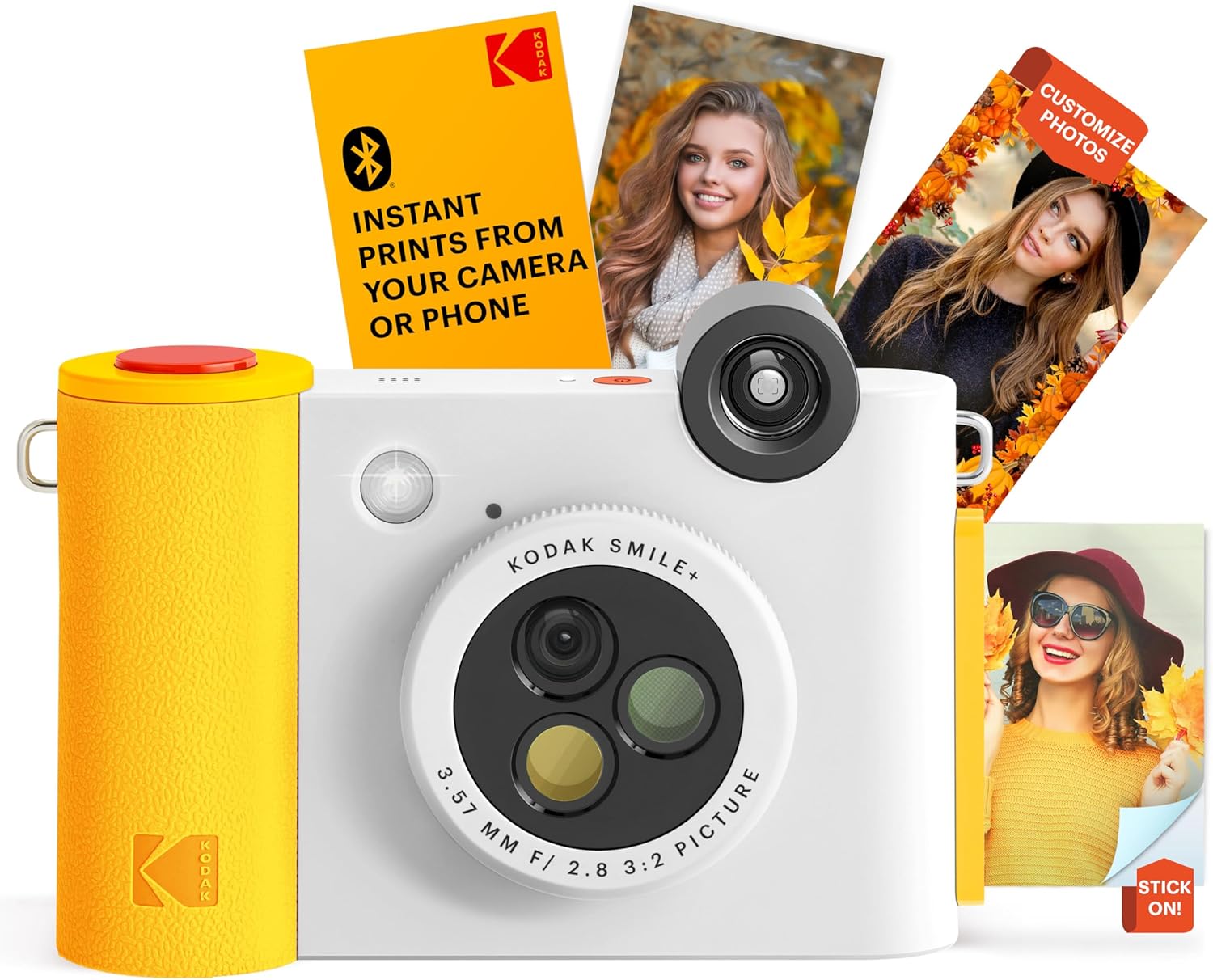
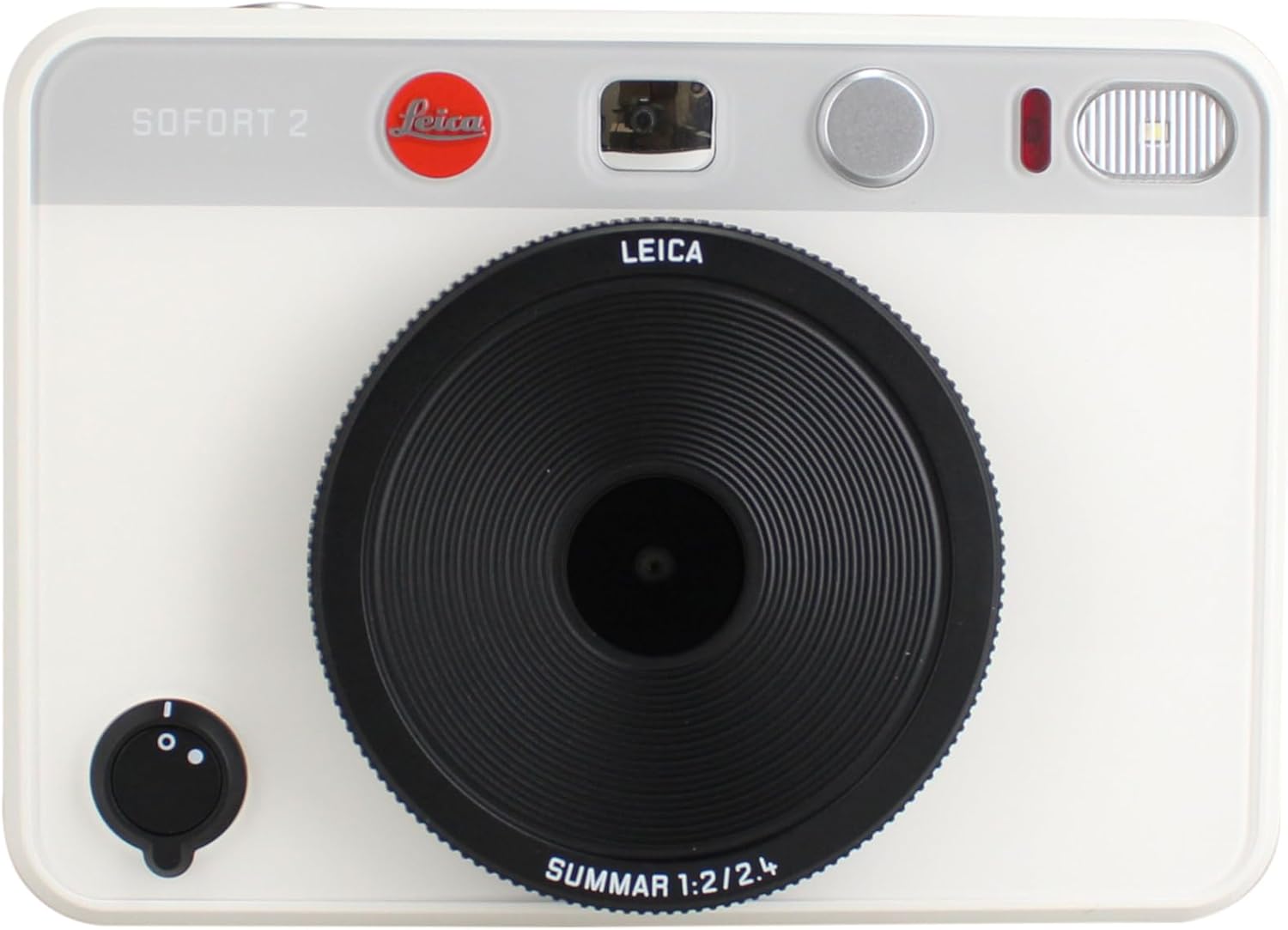
For beginners, the Fujifilm Instax Mini 12 is the easiest entry point with its simple controls and affordable film. The Square SQ40 is the sweet spot for style and format, while the Mini Evo offers hybrid flexibility with digital previews. Polaroid fans can choose between the advanced I-2 or creative Now+. Kodak’s Smile is the most travel-friendly, and Leica Sofort 2 is the ultimate premium pick with hybrid flexibility and refined design.
Why Trust Us
At Imaging Resource, we’ve tested instant cameras across Fujifilm, Polaroid, Kodak, and Leica in real-world shooting—from parties and travel to creative portrait sessions—so you can see how they perform where it matters. For models we haven’t personally tested, we rely on trusted feedback from industry reviewers and creators to ensure accuracy and fairness.
We never take payment for placement, and even though our articles contain affiliate links, they never influence our editorial rankings.
Best Instant camera in 2025: Our reviews
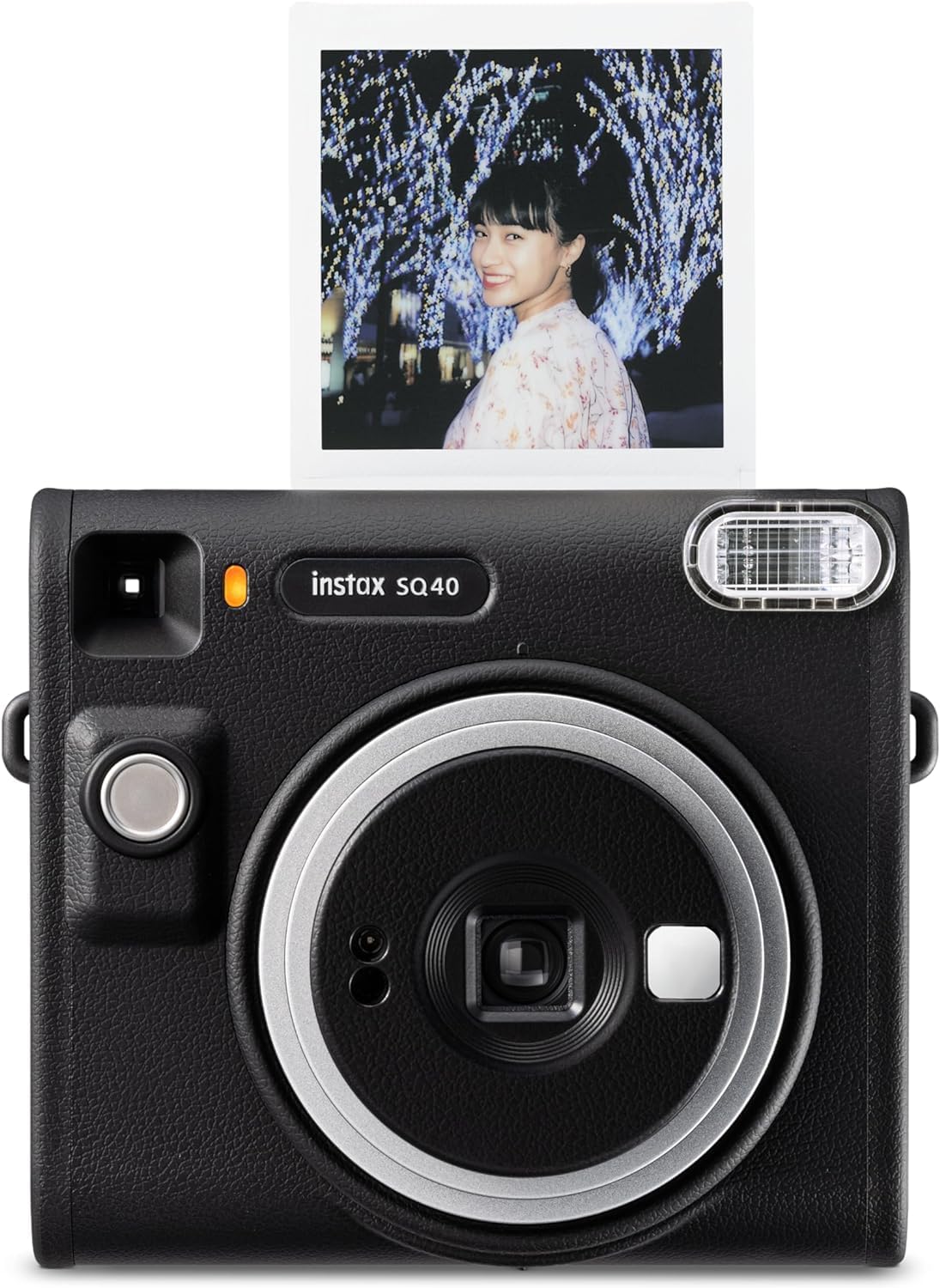
Style-conscious photographers and travelers who prefer larger square-format instant photos.
- Classic retro design
- Larger square prints
- easy handling
- Slightly bulky design
- Limited advanced settings
- Lens & Shutter: Fujinon 65.75mm f/12.6 lens
- Film Type: Instax Square instant film (2.4″ x 2.4″)
- Flash: Built-in automatic flash
- Viewfinder/Shooting controls: Selfie mode
With its classic design and square-format prints, the SQ40 strikes a balance between style and usability. Its film format provides more space than the mini-series, making it ideal for portraits and travel photos. The design of this camera makes it look more professional than it is, but people like the look of this, and I’ve gotten questions about this camera when I’ve shot with it.
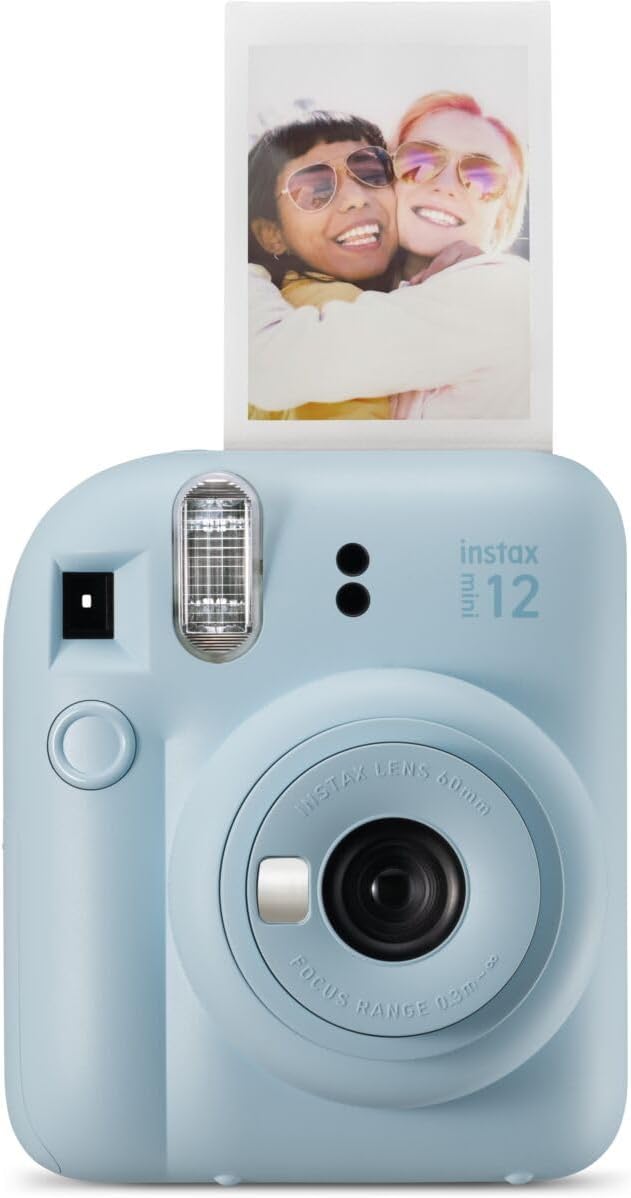
Beginners and casual users who want an affordable, easy-to-use instant camera.
- Fun
- Colorful design
- Simple operation
- Affordable film
- Small print size
- Limited creative controls
- Lens & Shutter: Twist-lens
- Film Type: Fujifilm Instax Mini instant film (2″ x 3″)
- Flash: Built-in, automatic flash
- Viewfinder/Shooting controls: Built-in selfie mirror
The Instax Mini 12 is one of the easiest instant cameras to use, with simple controls and a bright, fun design. It’s a great starter option for anyone who wants affordable prints and a lightweight camera for casual use. This is one of my favorite cameras to bring on a trip, where I photograph people and give them a print.
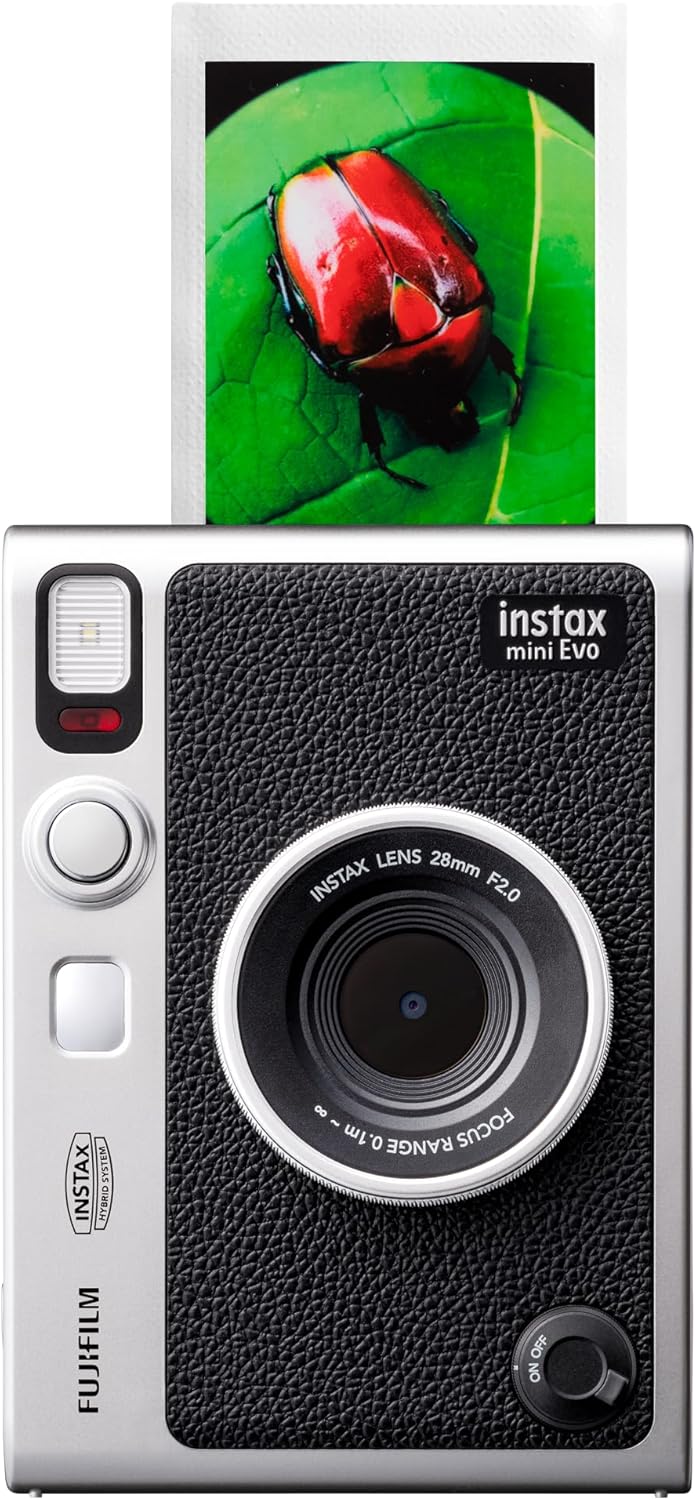
Creative users who want hybrid instant photography with digital flexibility and retro styling.
- Hybrid digital/film design
- Filter and creative modes
- Selective printing saves film
- More expensive than analog Instax
- Smaller mini-format prints
- Lens & Shutter: Hybrid design with 10 lens effects
- Film Type: Instax Mini instant film (2″ x 3″)
- Flash: Built in flash
- Viewfinder/Shooting controls: Built in selfie mirror
This hybrid camera combines digital capture with instant printing, letting you choose which shots to print. Its retro design and filter options make it a versatile and stylish tool for creative users. This camera sits on my desk a few feet from me. I’ve brouht it to everything from birthday parties to portrait shoots. The retro style really matches with Jujifilm’s retro vibe.
Travelers and the occasional pro shooter who want big instant prints with maximum impact.
- Largest Instax prints
- Good for groups and travel keepsakes
- Bulky design
- Limited shooting controls
- Lens & Shutter: Three focus lens
- Film Type: Instax Wide instant film (4.1″ x 3.3″)
- Flash: Built in flash
- Viewfinder/Shooting controls: Self timer and shoulder strap
Shooting the largest format in the Instax family, the Wide 300 produces prints nearly twice the size of Instax Mini. It’s bulkier but perfect for group photos and travelers who want bigger keepsakes. I had the previous version of this camera, and it’s an interesting form factor that feels a bit like a camera from the early days of digital photography.
Entry-level instant photographers who want app-based creativity in a classic Polaroid body.
- Bluetooth app connectivity
- Creative shooting modes
- Iconic Polaroid design
- Film is more expensive than Instax
- Less compact than more modern instant film cameras
- Lens & Shutter: Upgraded two-lens autofocus system
- Film Type: Polaroid i-Type film and 600 film
- Flash: Built in flash
- Viewfinder/Shooting controls: Polaroid App (Bluetooth
Adding Bluetooth connectivity and app-based controls, the Now+ bridges the gap between classic Polaroid charm and modern features. It offers creative tools like double exposure and manual settings at an entry-level price point. It’s hard for me to not love this camera, with the look straight out of my childhood. Of course, those cameras didn’t have Bluetooth or an app, but it got the job done. Being able to transfer images to an app is a nice little perk.
Enthusiasts who want a more advanced Polaroid with pro-style control and sharper optics.
- Sharp 3-element lens
- Manual controls
- Built-in light meter
- Very expensive
- Larger than Polaroid Now+
- Lens & Shutter: 3-element autofocus lens
- Film Type: Polaroid i-Type Instant Film (Square format)
- Flash: Built in flash
- Viewfinder/Shooting controls: Integrated viewfinder and LCD display
The I-2 is Polaroid’s most advanced instant camera, featuring a sharp lens system, built-in light meter, and manual controls. It’s a strong midrange choice for photographers who want more creative flexibility than a simple point-and-shoot.It reminds me of a droid from Star Wars and offers an impressive amount of controls for an instant camera. This one might be overkill but it does get the most out of a sheet of film.
Smartphone photographers who want to transform their digital shots into physical Polaroid prints.
- Turns smartphone photos into Polaroid prints
- App offers creative editing
- Not a standalone camera
- Requires smartphone
- Lens & Shutter: 3-element lens system
- Film Type: Polaroid i-Type / 600 instant film
- Flash: No Flash
- Viewfinder/Shooting controls: Framing via Polaroid app on smartphone
Unlike traditional instant cameras, the Polaroid Lab transforms digital smartphone photos into instant prints. It’s a creative and modern way to enjoy instant photography while still working within the Polaroid ecosystem, since you don’t need any camera besides your phone. It definitely looks odd, but the idea here was to simulate the photo labs in the days of film labs.
On-the-go photographers who want a pocketable instant print camera without dealing with bulky film.
- Slim and portable
- Digital preview before printing
- ZINK paper avoids film packs
- ZINK prints are lower quality than film
- Limited creative features
- Lens & Shutter: 10MP camera sensor w/ rotating lens
- Film Type: ZINK 2×3” sticky-backed photos
- Flash: No built in flash
- Viewfinder/Shooting controls: No viewfinder, does have app though
Compact and digital-hybrid, the Kodak Smile lets you preview images before printing on ZINK paper. Its slim, portable design makes it perfect for travelers who want instant prints without carrying bulky film packs. An adorable little camera you can drop in a camera bag, purse or messenger bag. It’s not the best output, as these are prints instead of film, but it’s still great for quick selfies with your friends.
Leica enthusiasts or design-focused shooters who want a stylish, hybrid instant camera with premium build quality.
- Premium design
- Hybrid shooting with digital save + Instant print
- Refined controls
- Very expensive
- Lens & Shutter: 2.4mm f/2 lens with a 1/5″ CMOS sensor
- Film Type: Instax Mini instant film
- Flash: Built in flash
- Viewfinder/Shooting controls: Leica FOTOS app integration via Bluetooth for remote shooting
Leica’s instant camera combines premium design with the flexibility of hybrid shooting. It can print directly or save digital files, making it one of the most flexible instant cameras available. Only Leica could design such a minimalist camera with such a high price tag. I haven’t used this camera yet, but I’m in love with the look of it.
Instant cameras compared: Specifications
| Model | Brand | Tier | Format | Capture Type | Notable Features | Approx. Price |
|---|---|---|---|---|---|---|
| Instax Mini 12 | Fujifilm | Budget | Instax Mini (credit-card size) | Analog instant | One-button operation, close-up mode, selfie mirror, auto exposure | $93.95 |
| Polaroid Now+ | Polaroid | Budget | Polaroid i-Type / 600 (square) | Analog instant with app control | Bluetooth app features, double exposure, manual controls via app | $179.99 |
| Kodak Smile Instant Print | Kodak | Budget | ZINK 2×3″ | Digital camera + instant printer | LCD preview, microSD capture, pocketable, no ink needed | $120.46 |
| Instax Square SQ40 | Fujifilm | Best | Instax Square | Analog instant | Retro design, larger square prints, selfie mode, auto exposure | $199.95 |
| Polaroid I-2 | Polaroid | Best | Polaroid i-Type / 600 (square) | Analog instant (pro controls) | Premium lens system, built-in meter, manual exposure, ND support | $599.00 |
| Instax Mini Evo | Fujifilm | Best | Instax Mini | Hybrid digital + instant | Select-to-print workflow, built-in screen, creative filters/effects | $234.95 |
| Instax Wide 300 | Fujifilm | Ultimate | Instax Wide | Analog instant | Largest Instax prints, ideal for groups and travel keepsakes | $175.95 |
| Leica Sofort 2 | Leica | Ultimate | Instax Mini | Hybrid digital + instant | Premium build, digital capture with selective printing, app integration | $434.66 |
| Polaroid Lab | Polaroid | Ultimate | Polaroid i-Type / 600 (square) | Smartphone-to-instant printer | Turns phone photos into Polaroid prints, AR/app features | $129.99 |
Instax vs Polaroid: What’s the difference?
When it comes to choosing the best Instant film camera, there are really only two names to consider – Polaroid or Instax. While brands like Leica get a say in our list, the above are the dominating brands in the Instant camera space – and for good reason.
But which one is the best? Well, that really comes down to your personal use cases, requirements, and design preferences. The main difference between the two brands is design and handling, with Polaroid opting for a more traditional aesthetic, while Instax offers a new-age aesthetic that is characterized by a softer, more rounded hand feel.
Both Polaroid and Instax utilize cartridges of film to operate, with both brands offering different-sized photos depending on what model you opt for. That said, some film cartridges differ in how many shots they can take – with some featuring 8, instead of 10.
Outside of that, the other main difference is battery life – a factor that is becoming increasingly important amongst travellers. Overall, Polaroid typically takes more shots per battery than Instax, with the difference between the two brands being roughly 15%. That said, there are anomalies to this rule, with the Instax SQ40 – our top pick – being able to take around 300 shots.
Instant camera FAQs
Q. How do instant cameras work?
Instant film cameras work by exposing a sheet of special film to light when you press the shutter. The film contains layers of chemicals that react and develop automatically, producing a fully developed, physical photo in just a few minutes. This allows you to see your image almost immediately without needing a separate printer or darkroom.
Q. Can I use any film in an instant camera?
No, each instant camera is designed for a specific film format, such as Fujifilm Instax Mini, Instax Square, Instax Wide, or Polaroid i-Type/600. Using the wrong film can damage the camera or prevent it from printing properly.