
Birding by Bike – An eBike, the Right Camera Gear, and Plenty of Quiet

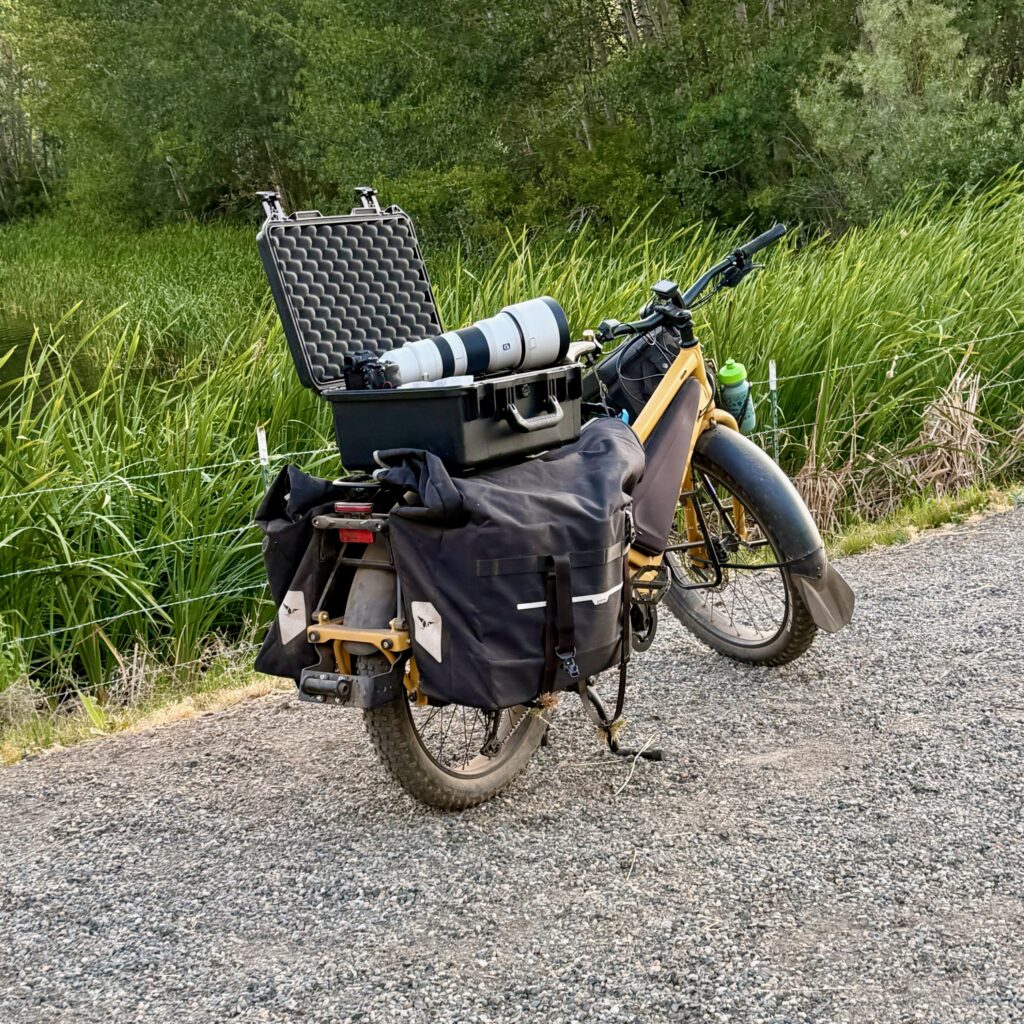
Table of Contents
 Read our Review of the Sony a7R V
I’ve been a cyclist for three decades, and a photographer for two, but I’m a fairly recent birder. Usually, my bird photography would start with a drive to a sanctuary and then a quick hike through the woods, but my wife and I recently built a cabin on a remote mountain in Washington State, and that’s where I’ve been doing a lot of my photography.
But both my cycling and bird photography have been limited by the remoteness of the cabin and the incredibly steep mountain trails. It’s hard to lug camera gear while trying to push your way up a hill on a heavy bike.
I’ve worked with the bike company Tern for a long time. They’ve sponsored bike events I’ve run, and I’ve reviewed the Tern Orox e-bike for my bike lifestyle site, bikehugger.com.
At some point, I realized I could combine the motor power of an e-bike to get me and my camera gear deeper into the woods without spooking the wildlife too much.
When it comes to photographing birds and other wildlife, there’s no such thing as being too quiet.
Normally, if I go birding while hiking, I bring my Sony a7R V and the Sony 400-800 f/6.3-f/8 G OSS lens, and also a large water bottle, binoculars, and a backpack with things like a first aid kit and a guidebook to birds.
LensRentals was nice enough to supply the gear for this article.
Read our Review of the Sony a7R V
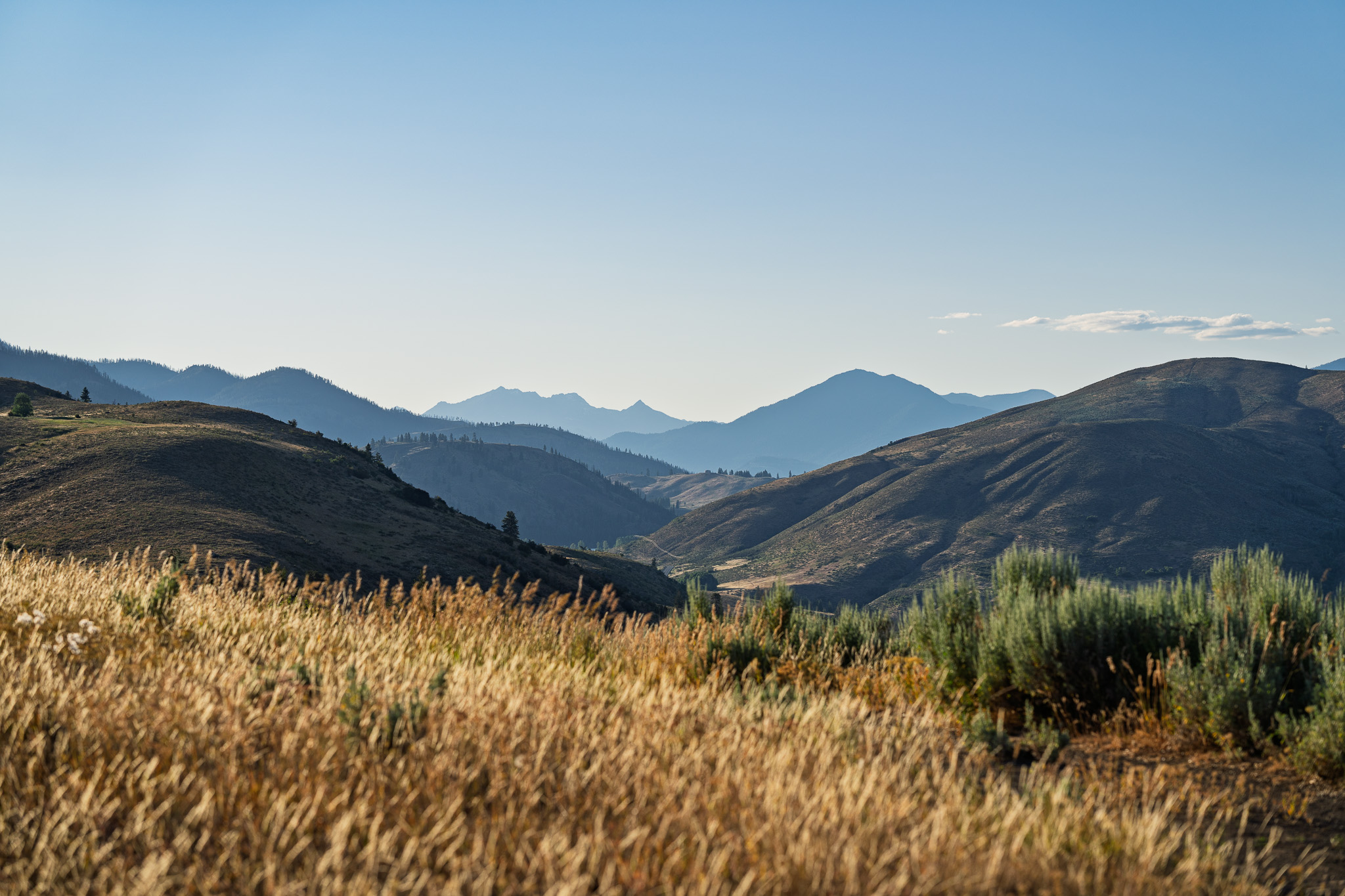
Nestled in the eastern foothills of the North Cascades, the Methow Valley shows in the foreground stretches from Mazama through Twisp, Winthrop, and onward to Pateros, Washington.
Even though I try to pack light, it’s still heavy enough gear for a day’s hike in the woods, so I often drive to a spot and hike in as far as I can without getting exhausted.
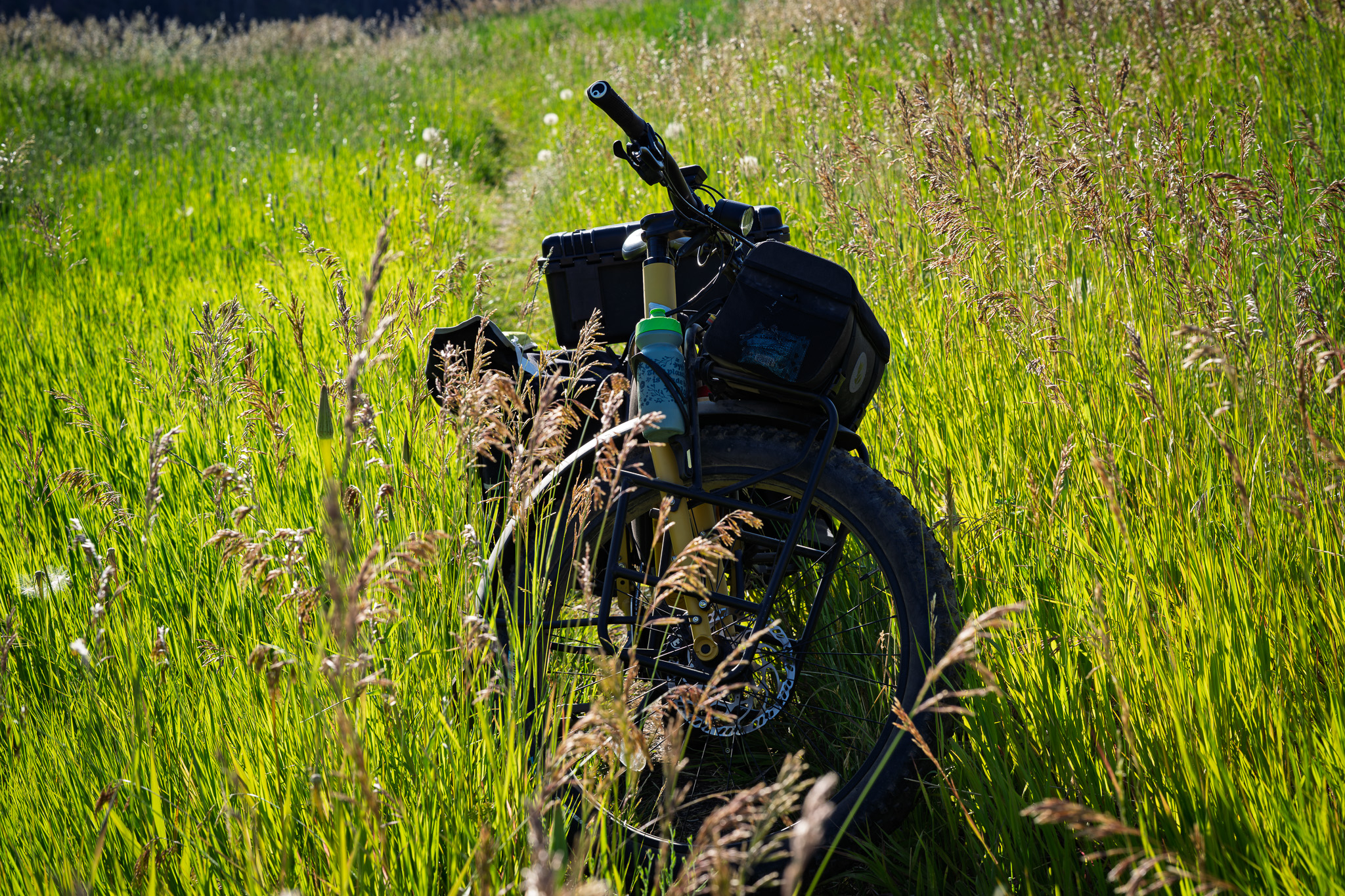
But with an ebike, I can get deep into the same woods, without damaging the trails and without breaking my back carrying a camera, gear, and a relatively long lens. I can even bring a folding chair if I want, so I can sit all day while I wait for the perfect shot.
Quiet Access to Habitat
The Tern Orox e-bike’s electric assist let me move quietly along trails, backroads, and nature preserves without the noise of a car. This helps avoid startling birds before you see them.
When you’re on a bike, I feel like part of the woods. I hear the sounds of the forest, notice the breeze, and can stop quickly if I see something I want to photograph. I’m not just searching for birds, I’m getting exercise while I enjoy the sounds and sights of the woods. Even if I don’t see birds or animals, it’s a lot more fun to explore by bike then to see the same stretch of trail over and over.
The bike isn’t perfectly silent, though; there’s still a slight whine of the electric motor and crunching on the trails. It’s a bit more noise than I’d make hiking to a spot, so when I get where I want to shoot, I’ll often get off the bike a good distance away from where I’m headed and walk the last little bit.
Eco-Friendly
Being a birder goes hand-in-hand with conservation. Riding an ebike doesn’t damage trails the way that a four-wheeler would, or even a horse would.
There are no emissions when riding the Orox or any other ebike, and the carbon cost of using electricity is way lower than using a gas-powered vehicle of any kind. It helps lower your carbon footprint, especially if you often visit remote spots that would normally require driving.
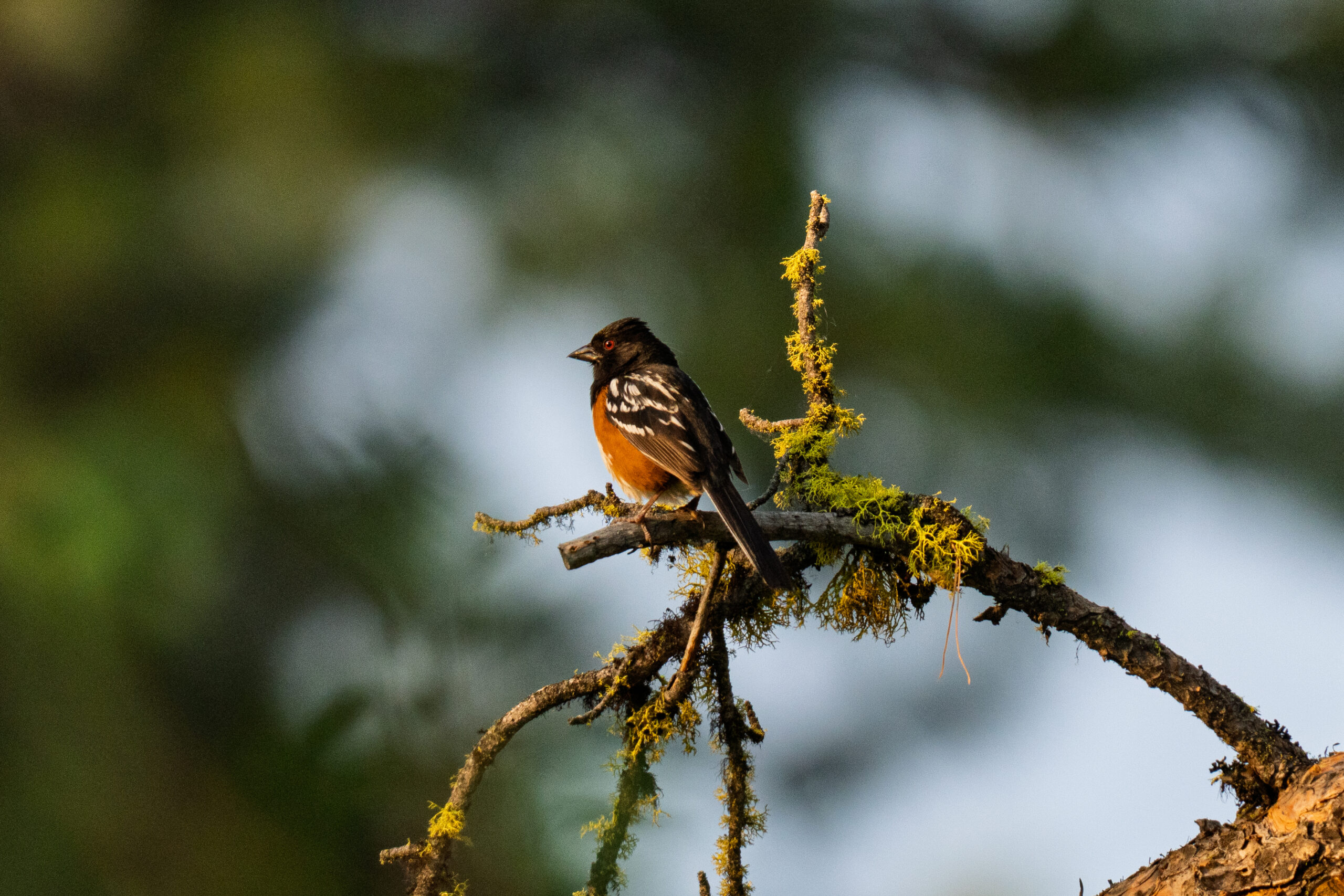
Go Further, Explore More
Most ebikes you see on the streets aren’t meant to be ridden off-road. At most, they’re designed to handle packed gravel trails, and they struggle on dirt and when riding over roots. Bikes like the Orox are intended to be used off-road and off-trail.
For birding, you want a bike with a battery with a great range (because nothing’s worse than pushing an e-bike for miles). They need wide tires and a good cargo setup that can hold your gear. You’ll want some bungee cords, too, to help keep things secure when riding over the bumps.
I went birding by bike in the Methow Valley, exploring the Big Buck Recreation area. Big Buck is a nature reserve, and I had the place to myself because I rode in on the bike.
It felt great to get the shot and then ride home after a day of solitude in the woods, and some lunch by a stream.
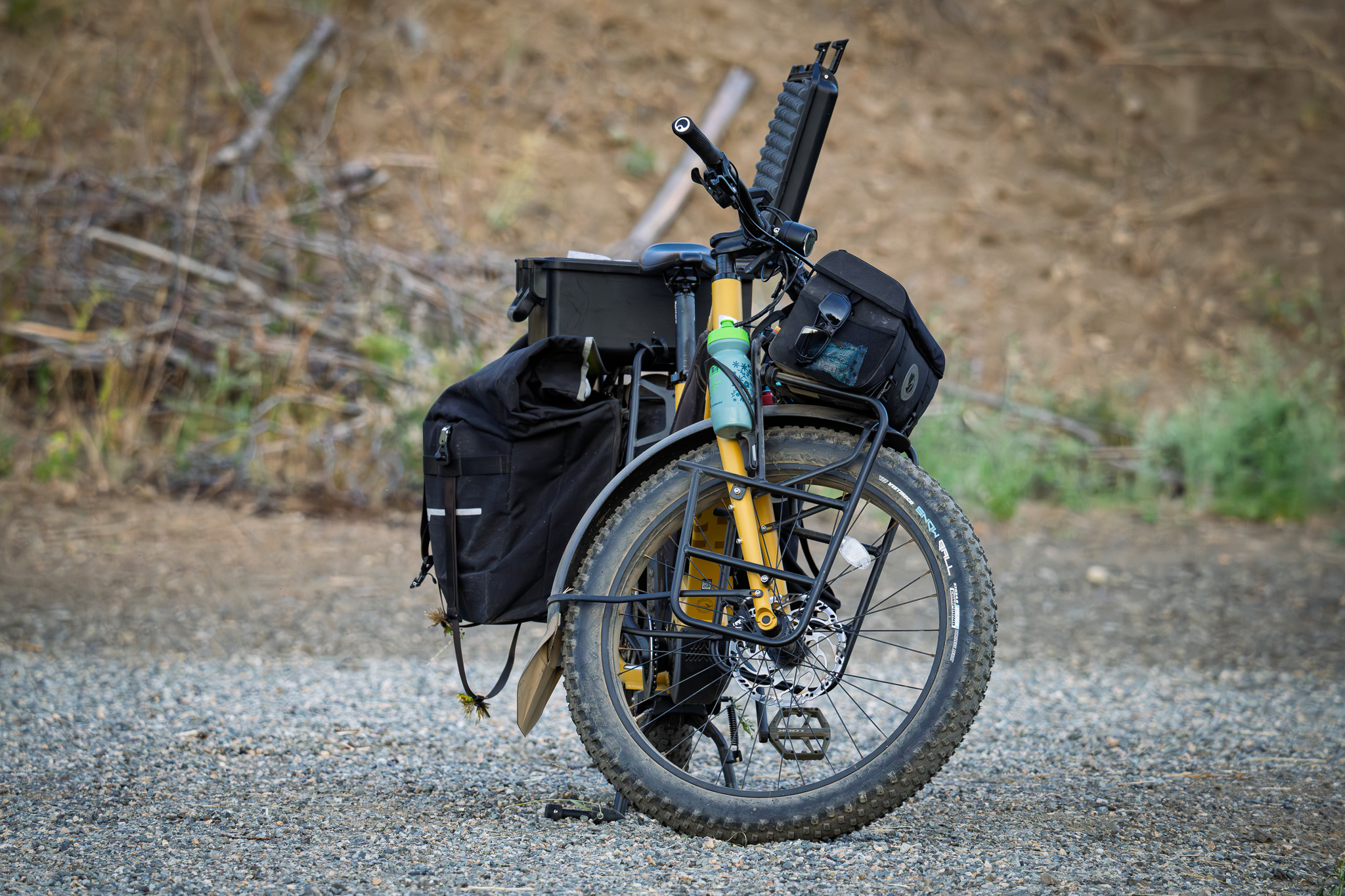
Hauling Your Gear the ebike way
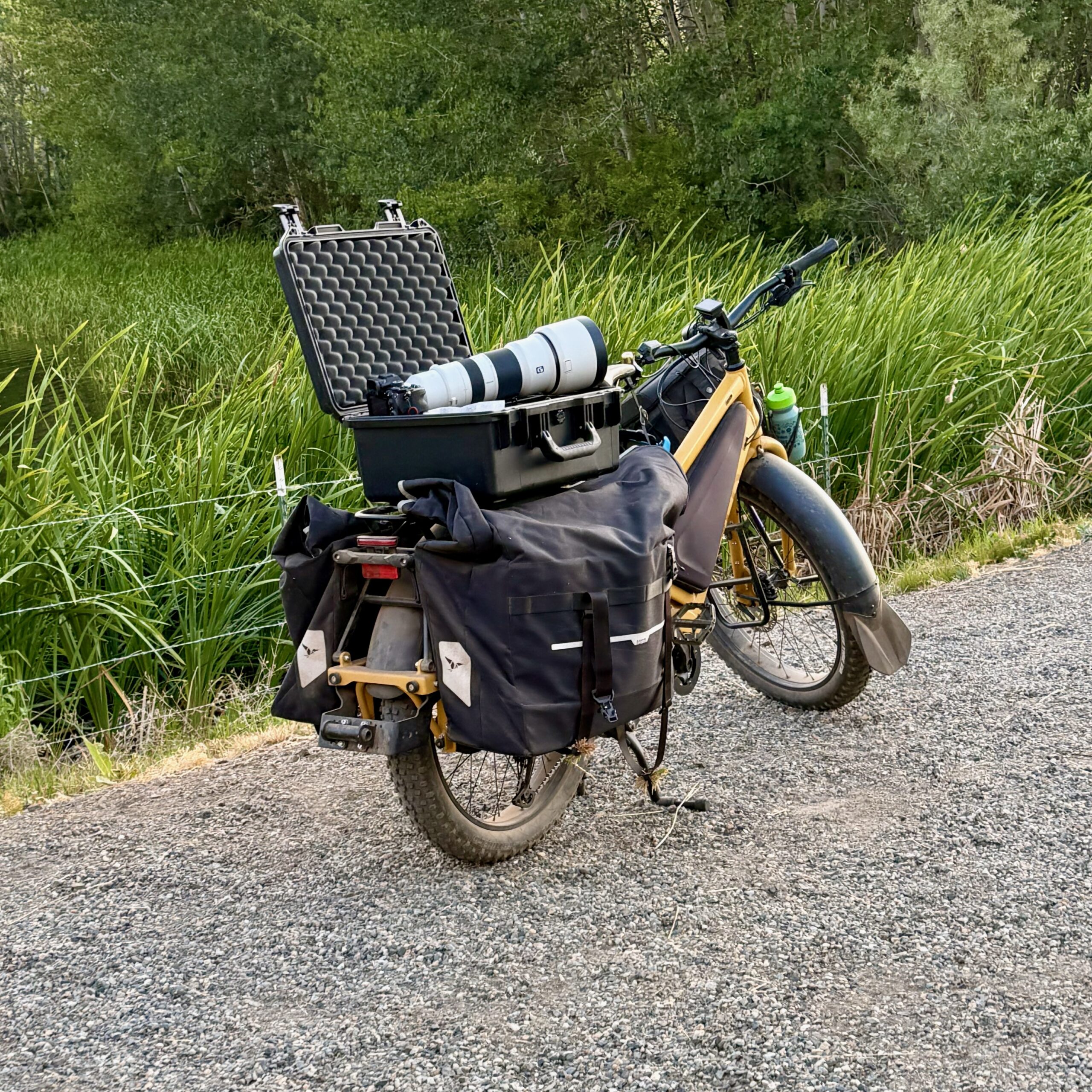
Tern set out to build the Orox as an electric cargo bike that works just as well on mountain trails and sandy paths as it does for daily errands. They succeeded, creating a bike that feels like a new standard for multi-terrain riding. See our section on buying bikes below for tips for ebike shopping.
See our Gear List below for the camera and lens I used.
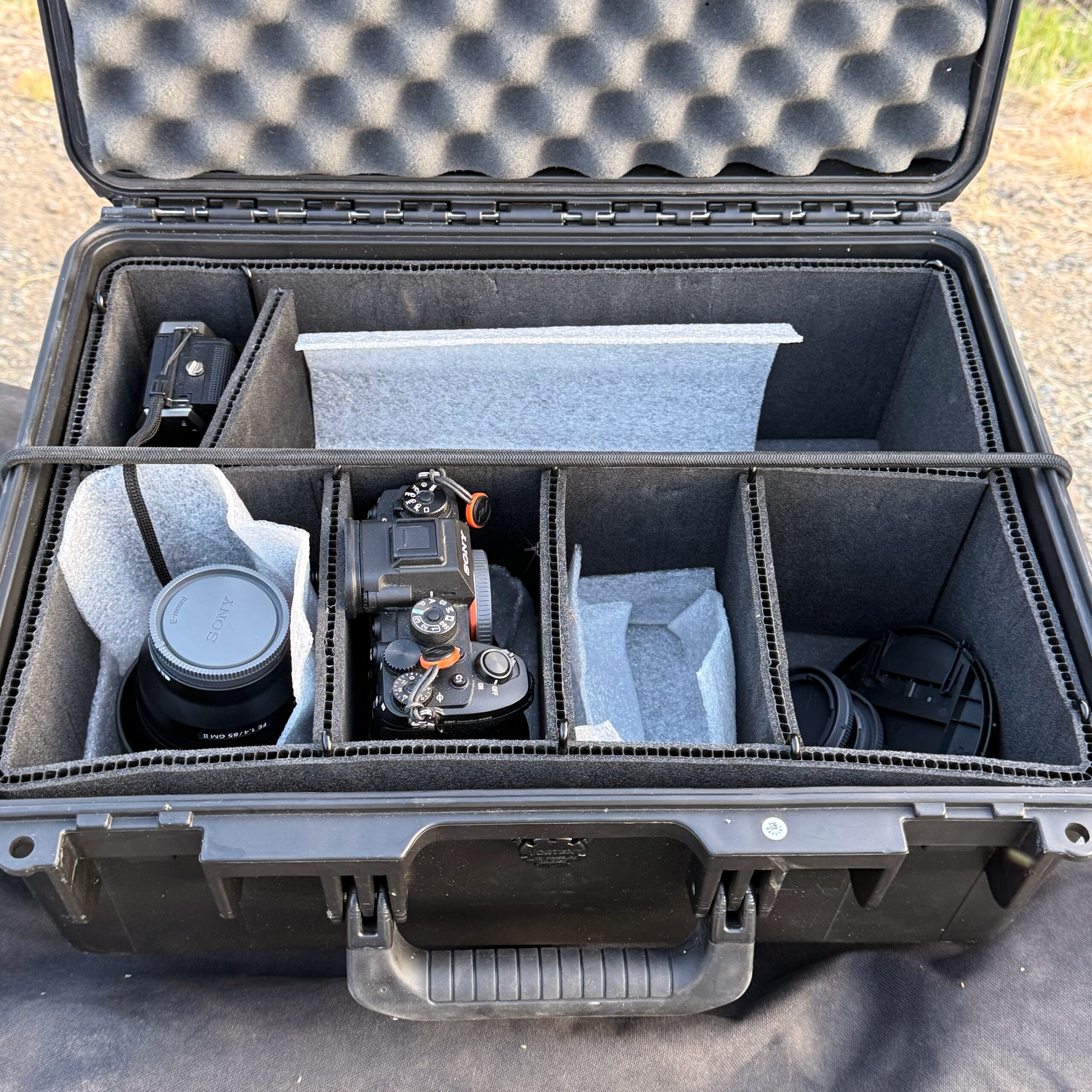
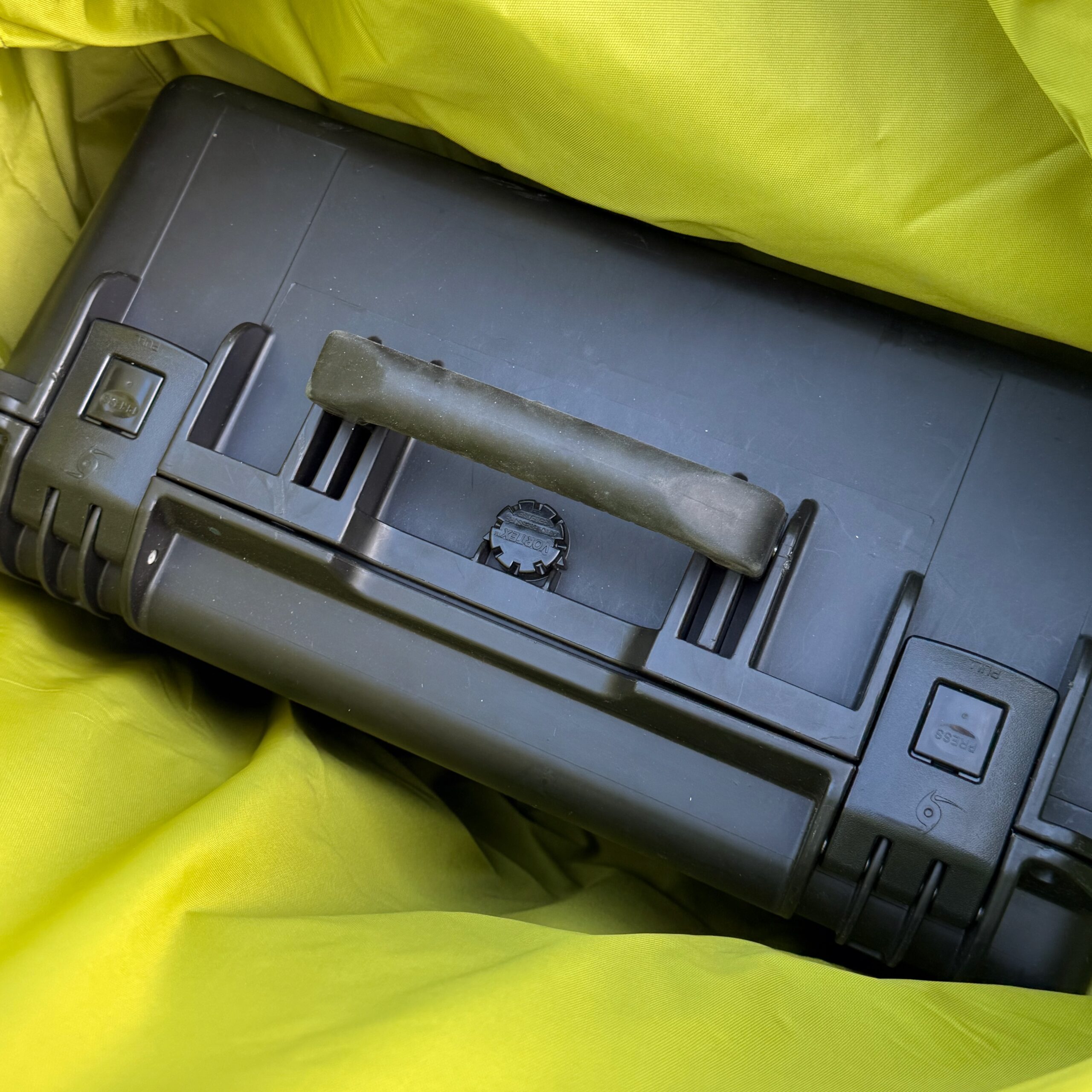
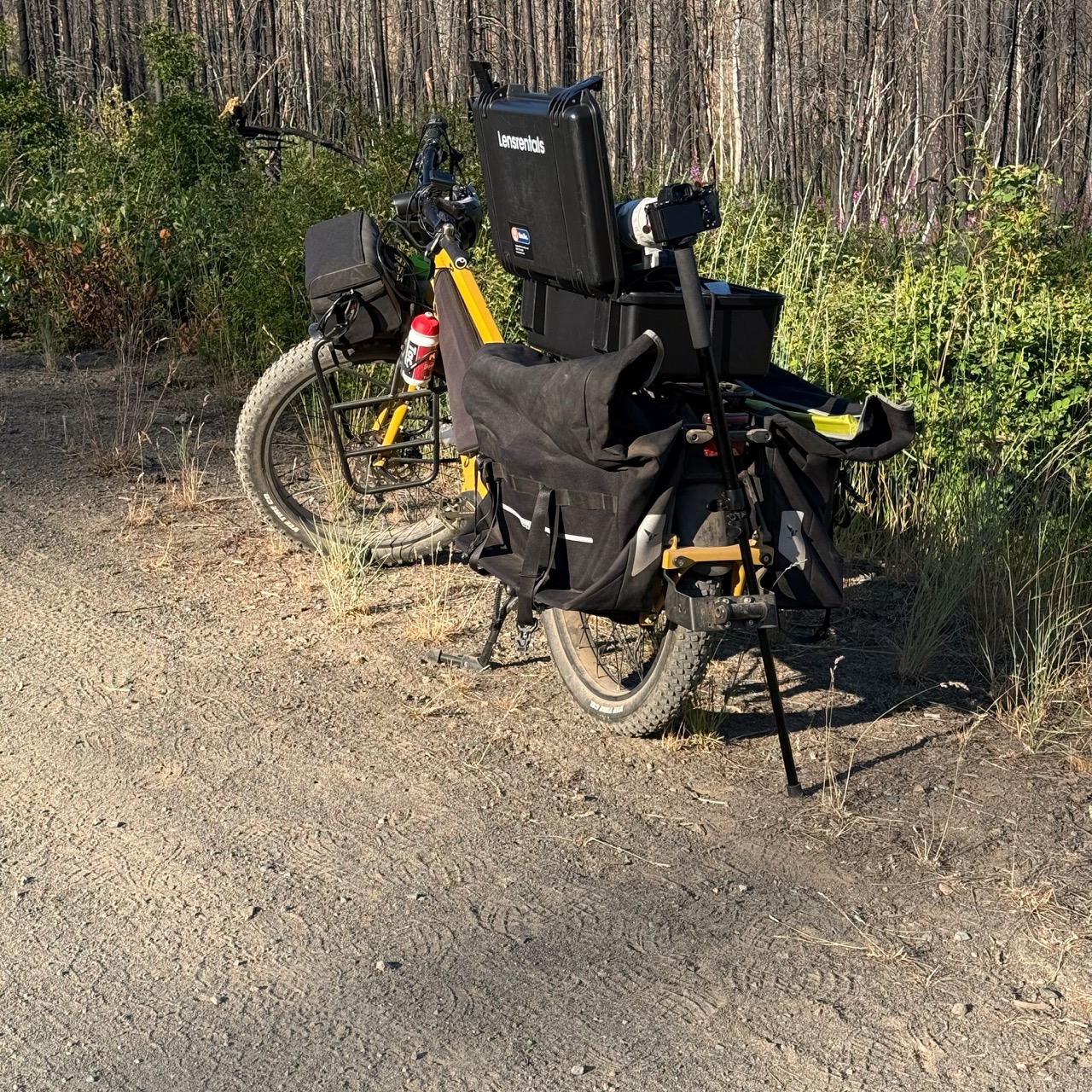
I brought my usual Sony kit, keeping the Sony a7R IV and 400–800mm lens in a Pelican case that fit perfectly in the panniers. The rear frame gave me a solid spot to organize gear or get ready for a shot. When I stopped riding, I used the rear stowage area as a workbench to put together the camera and lens.
LensRentals was nice enough to loan me the Pelican case, but I like it so much I’ll be picking one up.
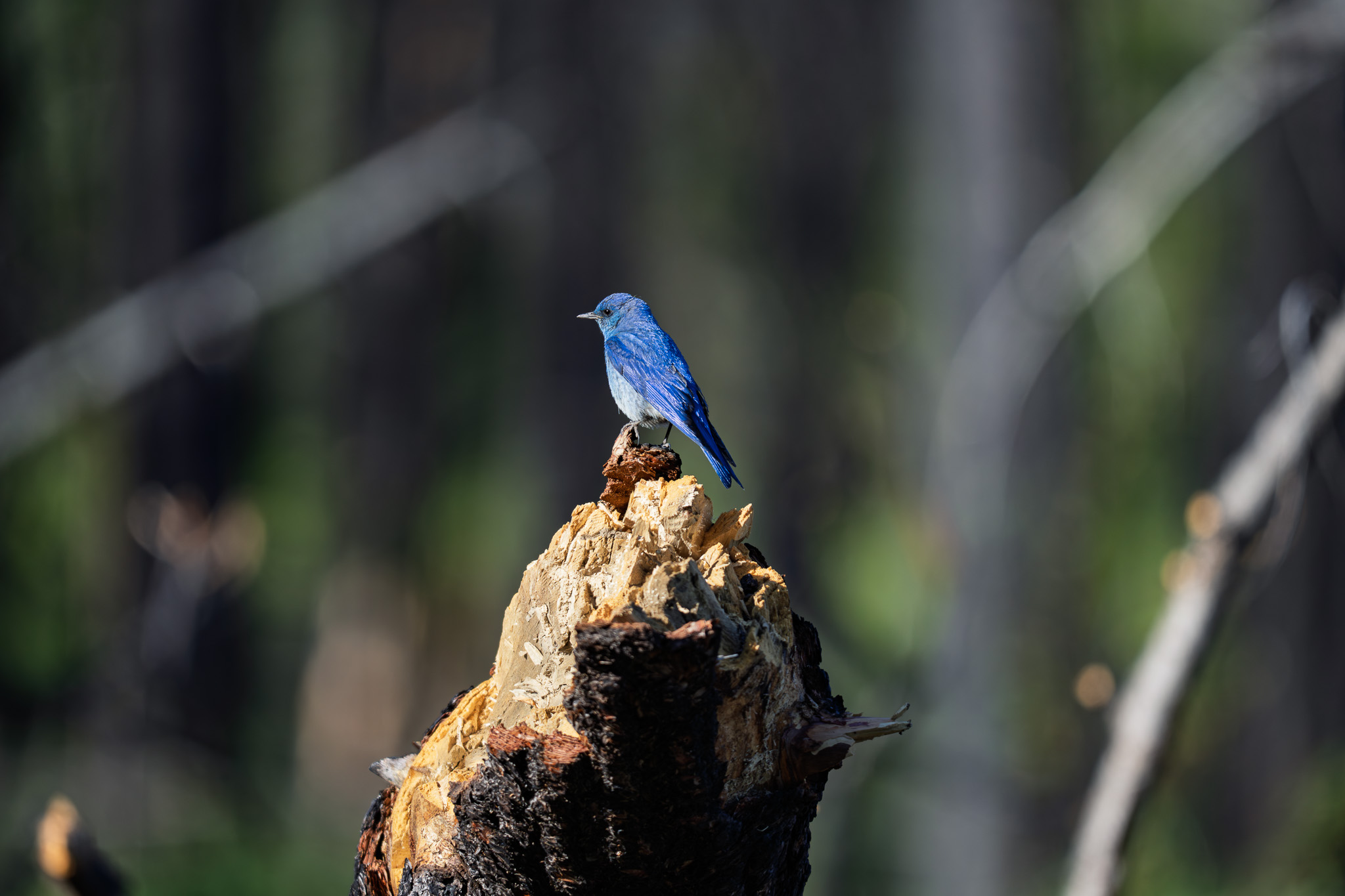
The Sony a7R IV and the new 400-800mm lens make a perfect combination for bird photography.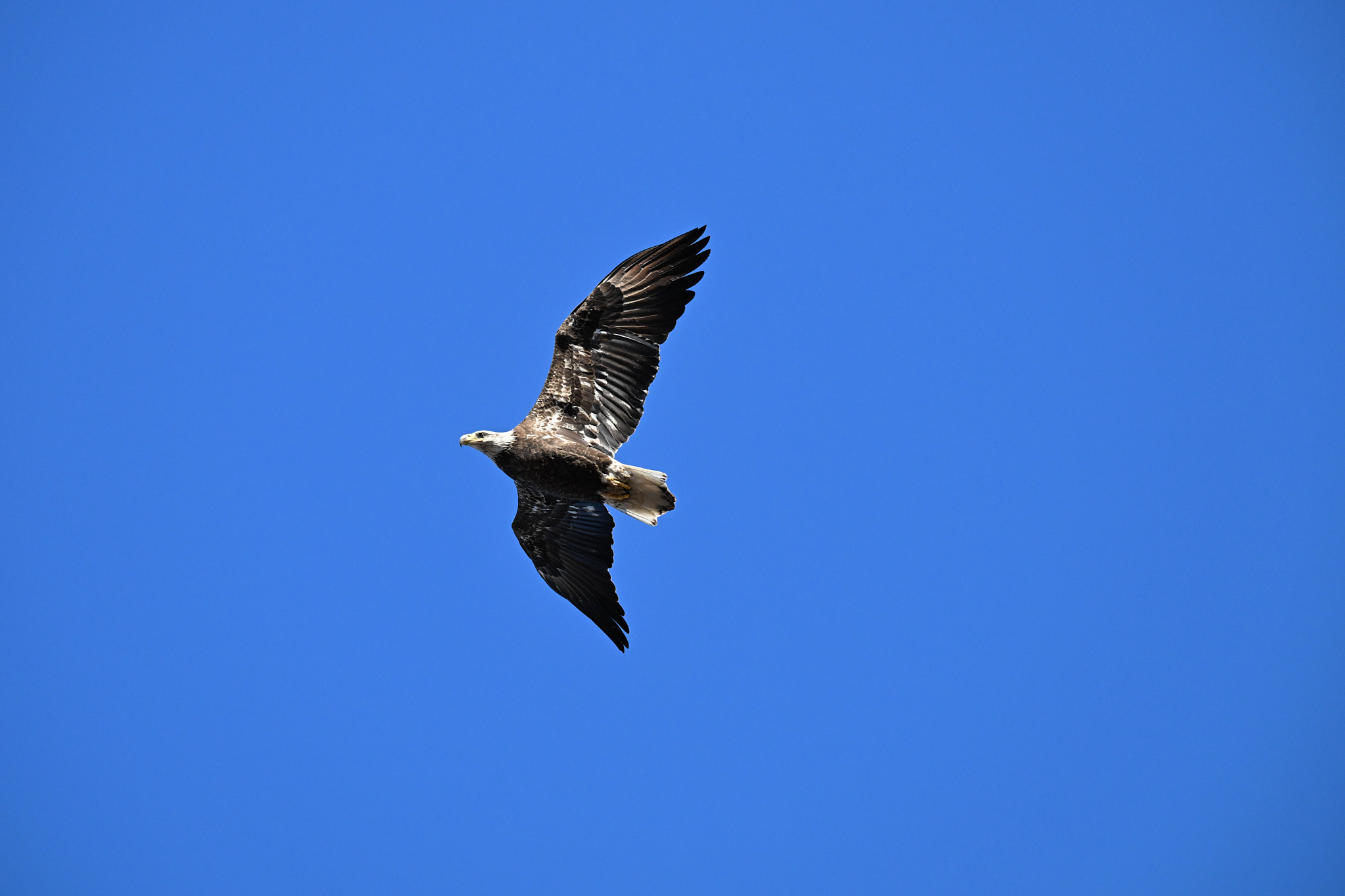
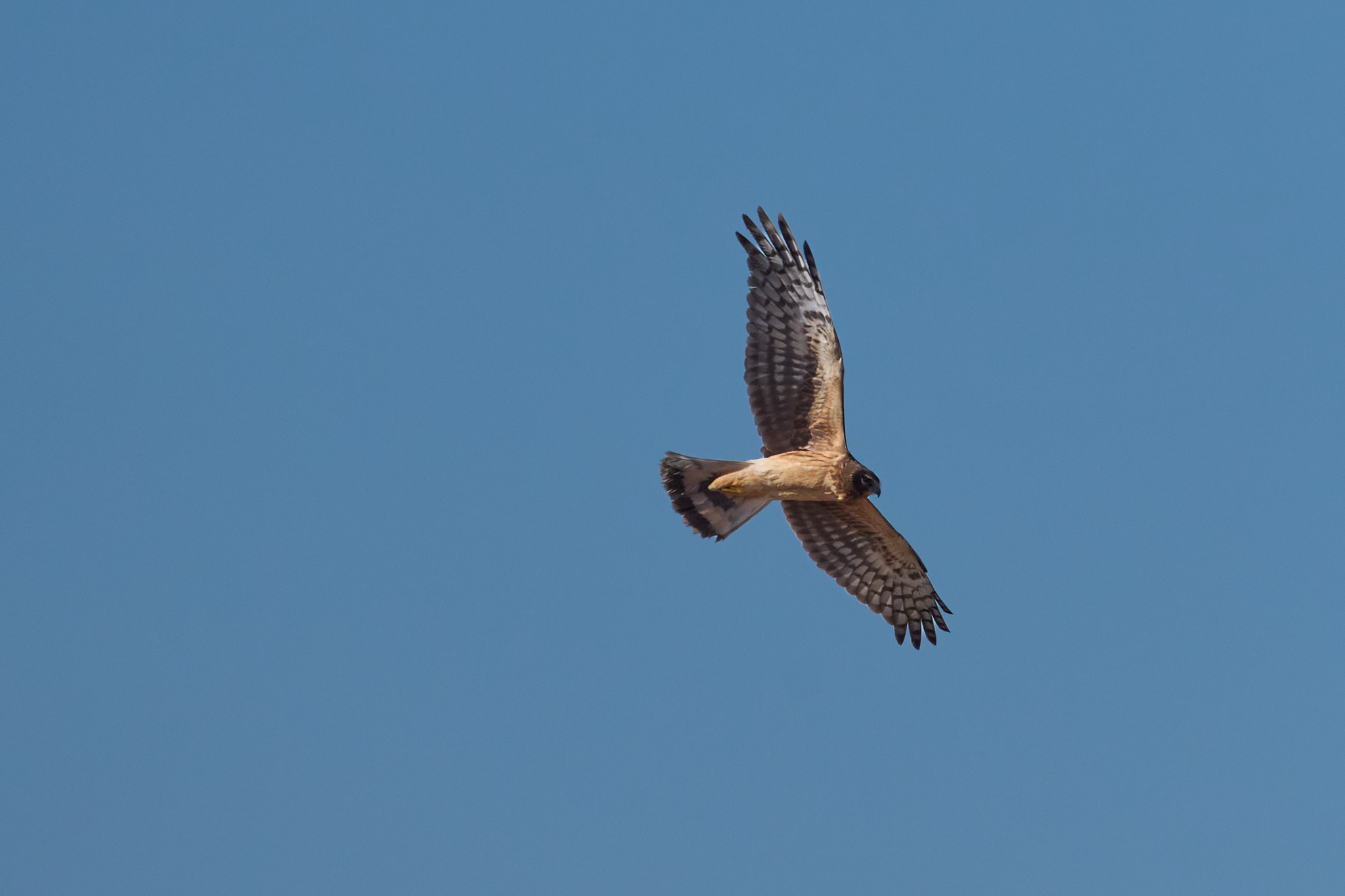
The a7R IV’s 61MP sensor is high resolution, which means you can crop without losing detail. With the sensor resolution, I can easily crop an 800mm shot and still have 20 or 30 megapixel images. That’s like having a 1000mm lens.
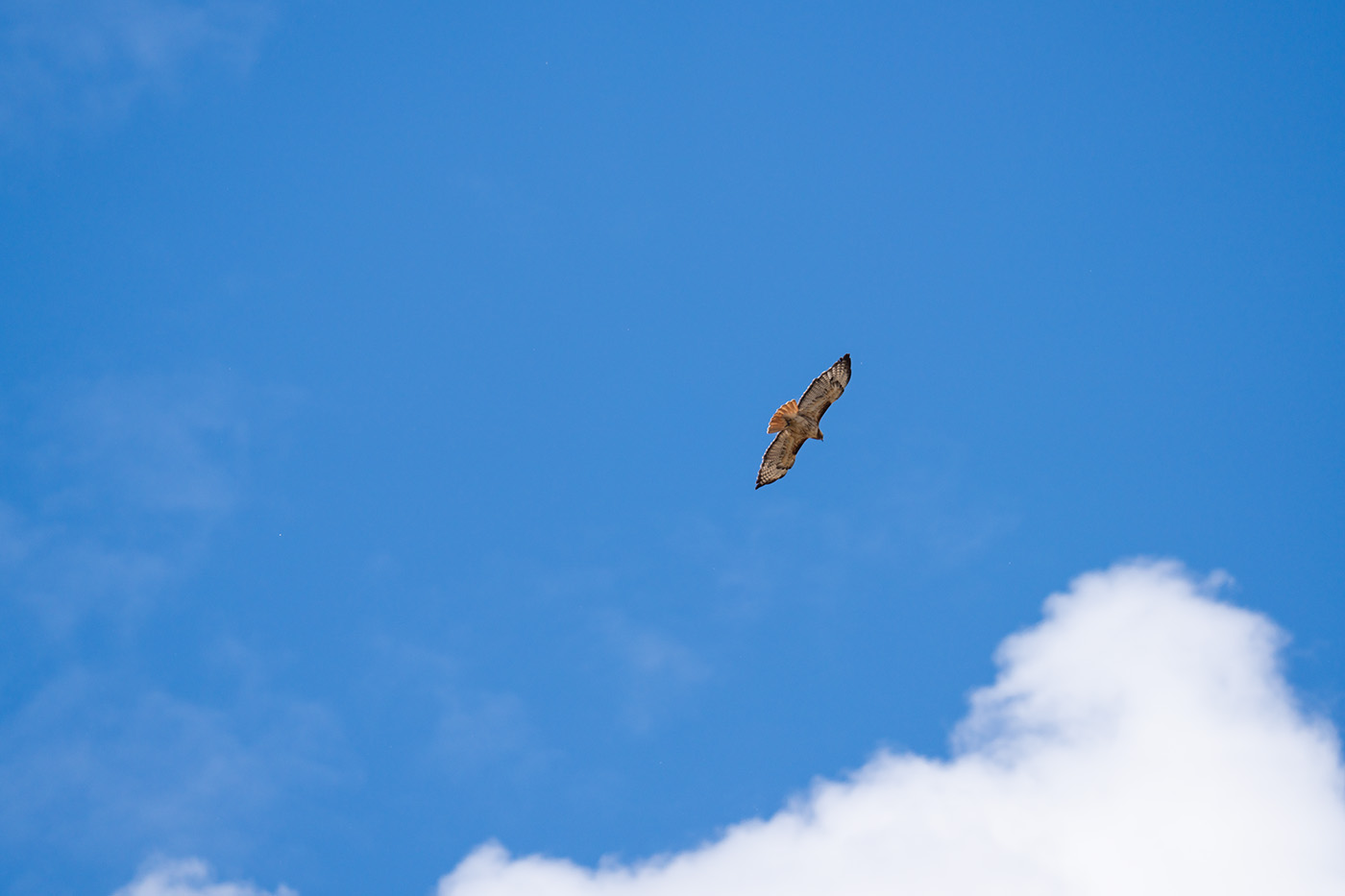
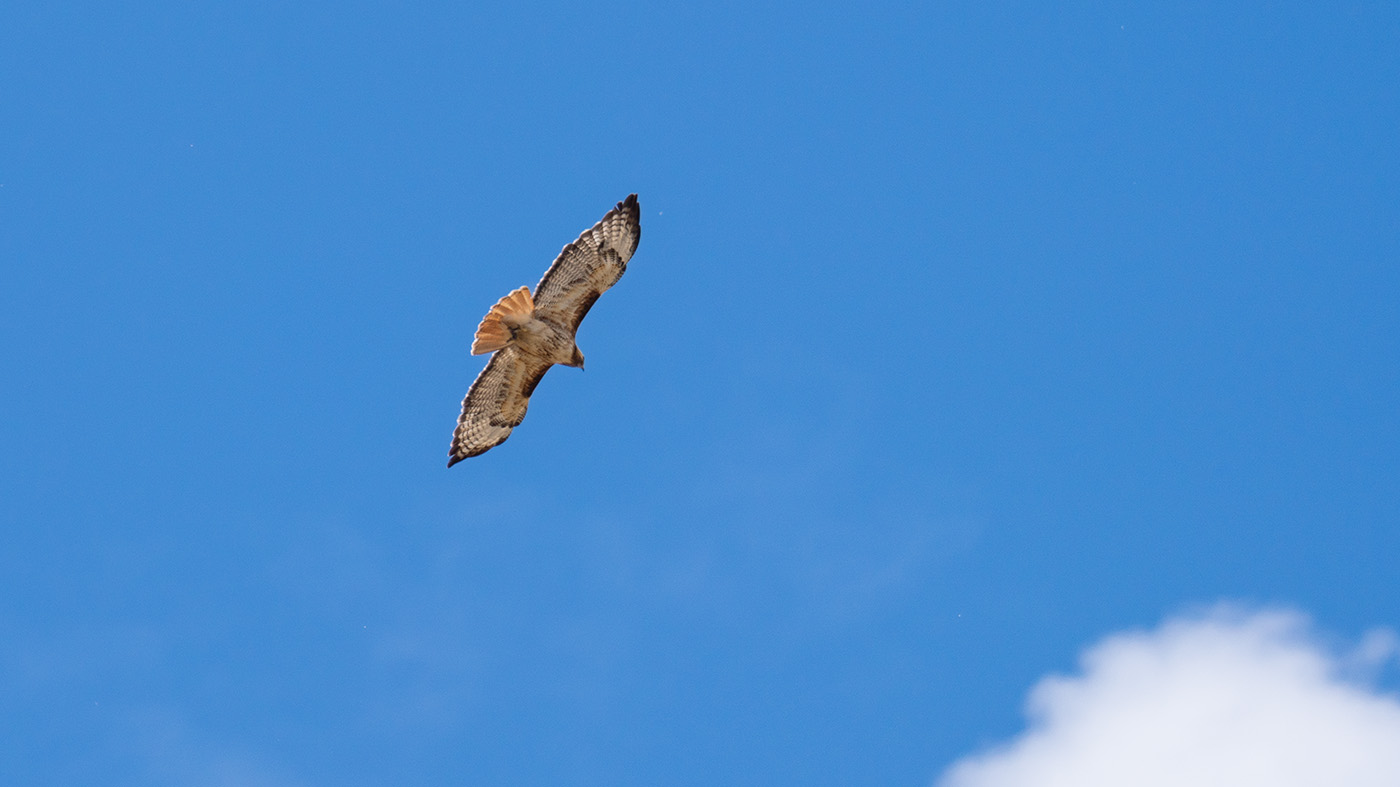
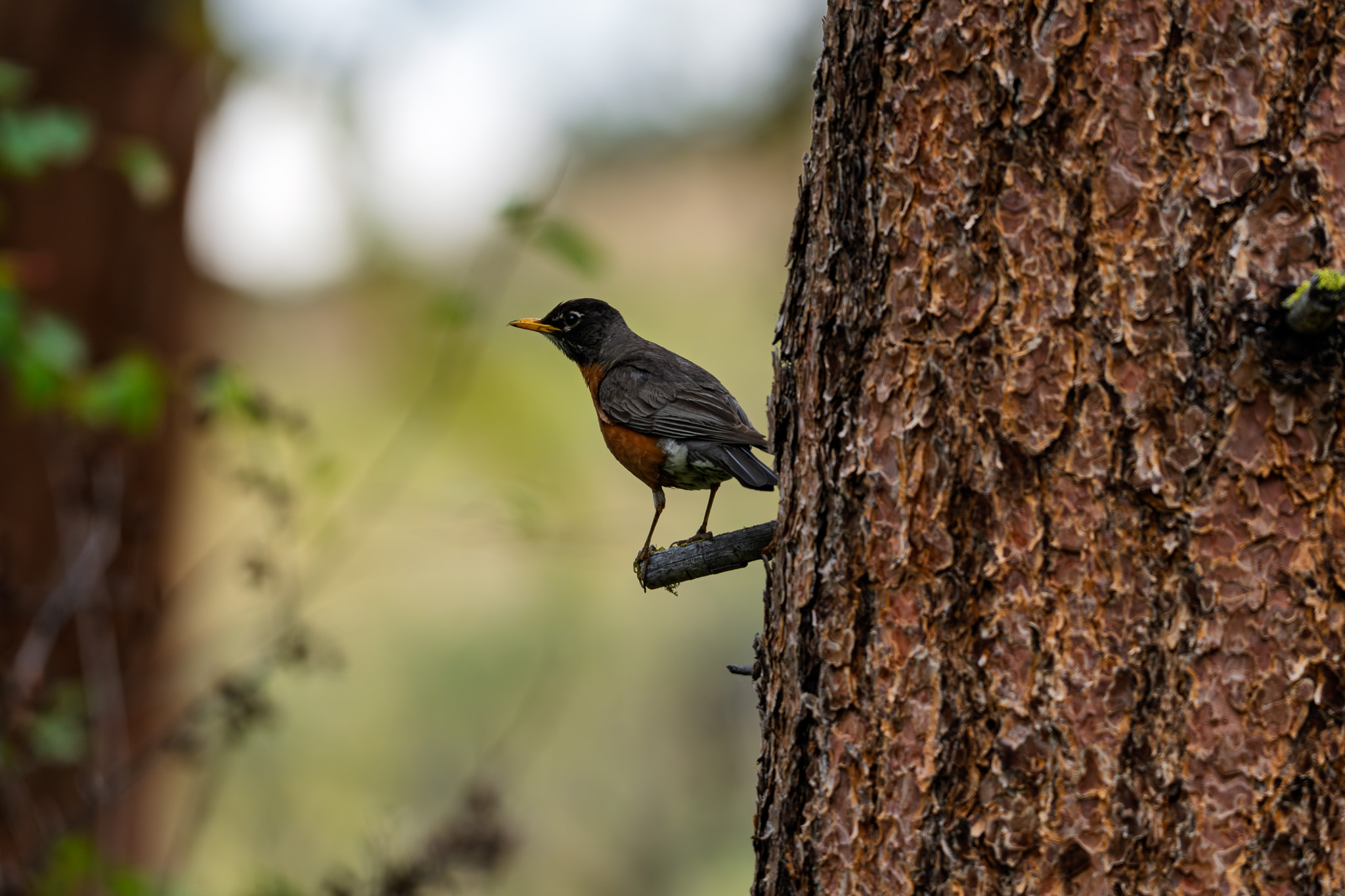
That means you can crop into distant subjects without losing clarity. The a7R V has Sony’s AI autofocus, which includes both bird and animal eye AF. That gave me the ability to capture things from small songbirds to flying hawks while the camera tracked their tiny eyes.
Even with an 800mm reach, the setup remains easy to handle and lighter than things like the Sigma 150-600mm f/5-6.3 DG DN OS Sports, which we reviewed.
This combination gives bird and wildlife photographers the image quality, portability, and shooting options they need.

Not Just Birds
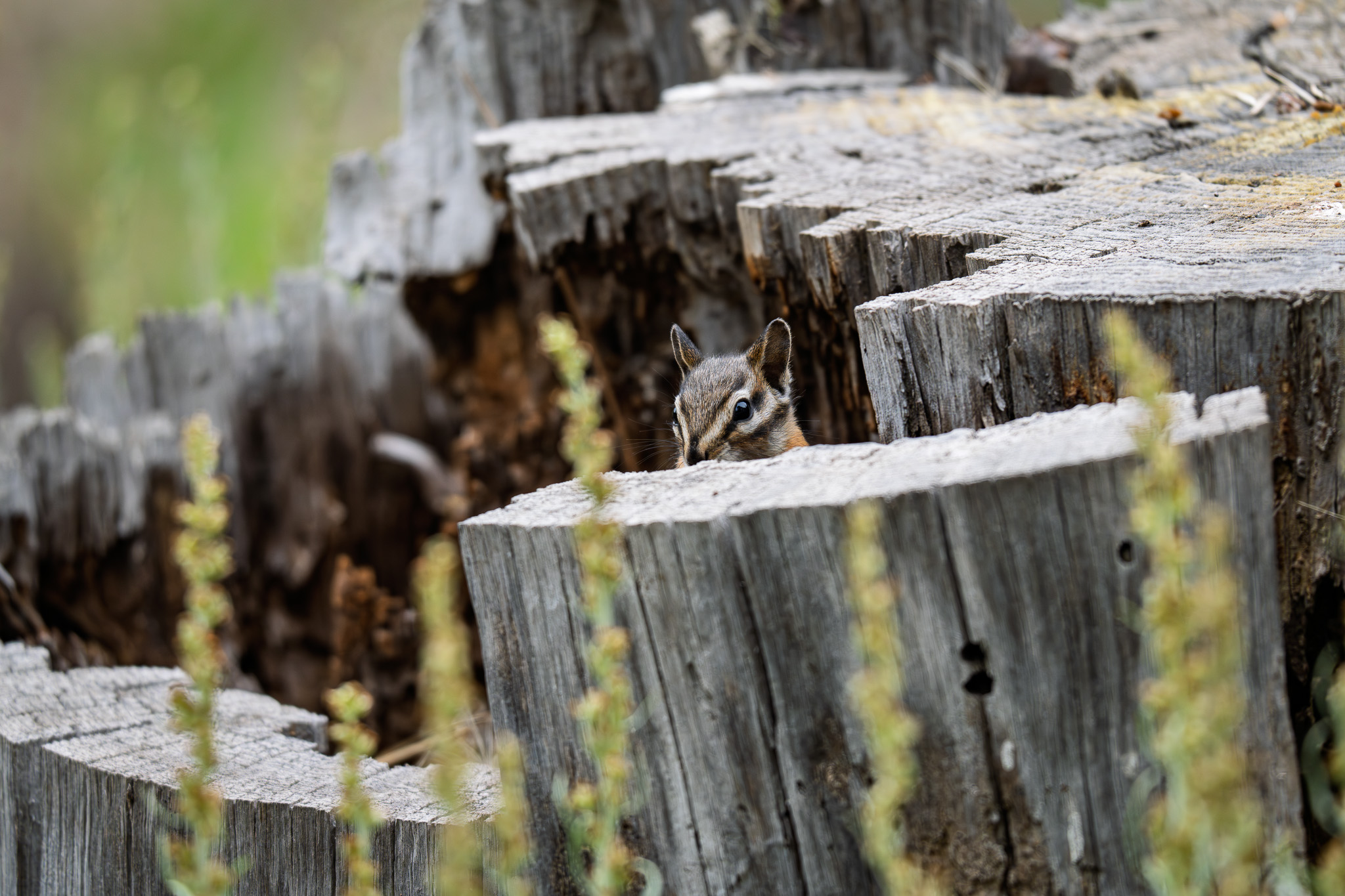
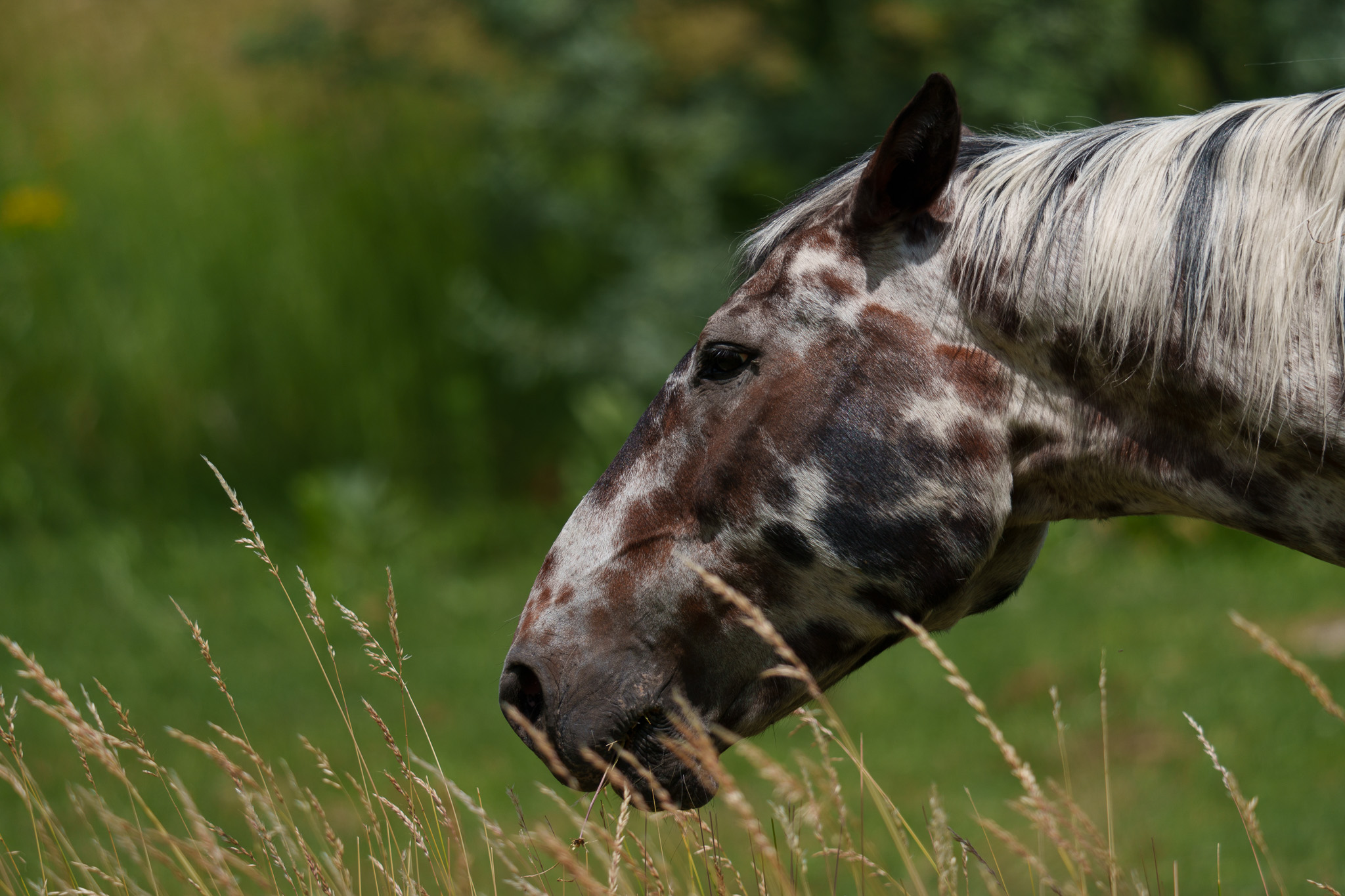
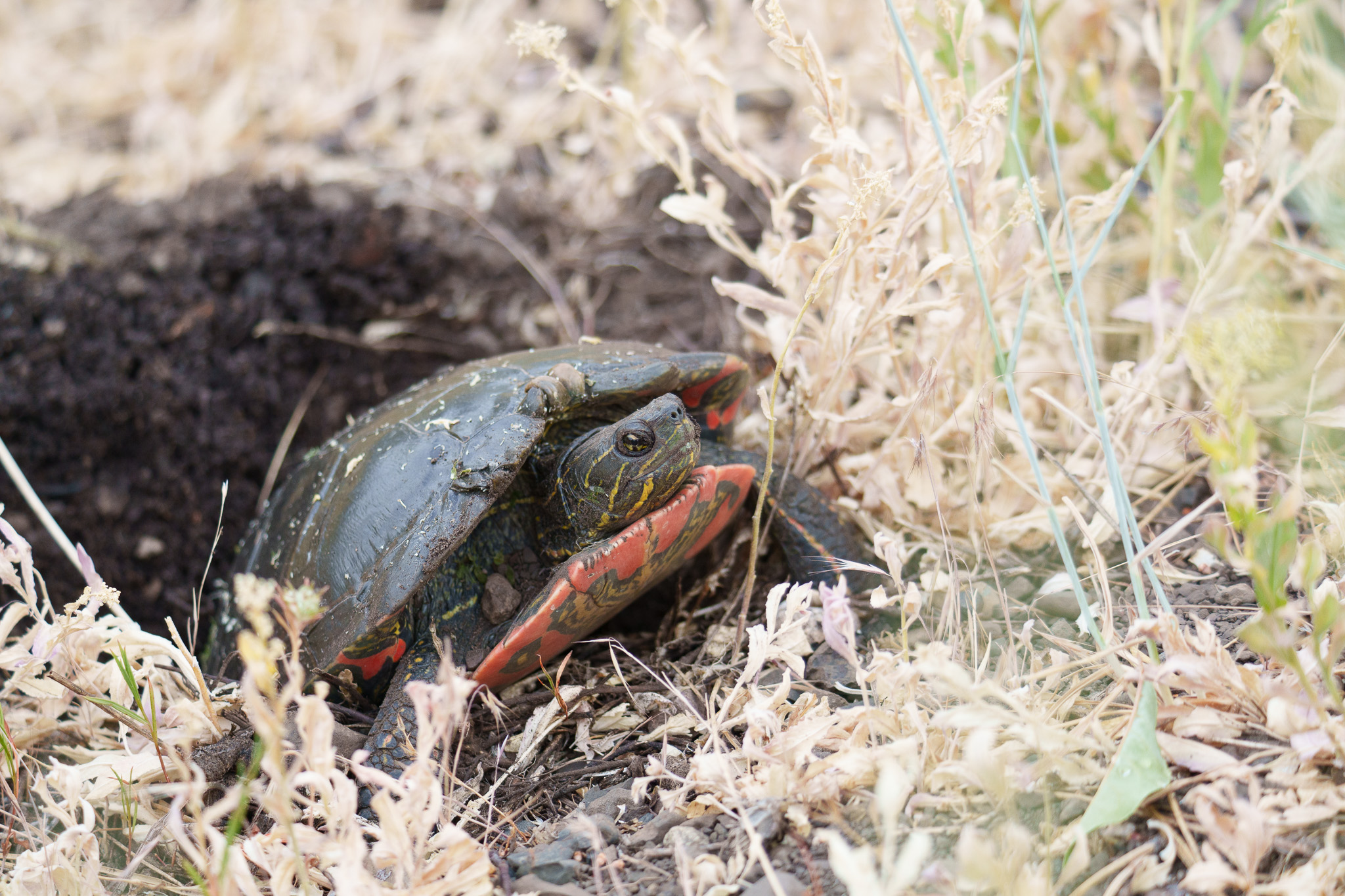
With my kit, I was able to photograph a chipmunk, a horse, and a turtle. You don’t have to worry about sneaking up on a turtle, but this one was laying eggs, so I gave it a lot of space. But this shows how versatile the kit is for all kinds of wildlife, not just birds.
How to Pick the Right ebike
If you’re looking to get into birding by bike, the best place to start is your local bike dealer. There are many brands online selling poorly made bikes that look good online but fall apart.
A local shop can help if you have mainteannce problems with the bike, and will help you get any spare parts should you need them. A shop may be more expensive than buying online, but you get the peace of mind of knowing someone will be able to fix the bike if you need.
Local bike shops are also struggling in the online economy, and any purchases help keep family-owned businesses alive.
I’ve been riding Tern for years, so I know their quality, but there are other great ebikes. Be sure to get a bike that’s designed to be a cargo bike. These bikes have paniers, very wide tires, racks to mount things to, and long-lasting batteries.
If you want to check out a Tern in person, you can find one of the local bike stories that carries them.
To be safe, you should half the distance the manufacturer claims when planning your rides. The listed miles per charge are often measured with a completely unloaded bike, and adding gear will reduce your range. Halving the distance gives you a nice buffer so you don’t get stuck in the woods.
If you want to take your ebike with you on a trip, be sure to get a good hitch-mounted rack. Your car will need the larger two-inch hitch mount to handle the weight of the bike. If you don’t have a hitch, your dealer can usually install one, but strangely, U-Haul can install hitches on most cars.

This is the camera I use for my YouTube video studio work, and I use it to test most of the Sony-format lenses we review.
The a7R V has the best of Sony’s high-resolution technology, combining a 61-megapixel sensor with AI subject detection. The camera delivers exceptional image quality with improved noise performance over its predecessor, while the dedicated AI processing unit provides subject recognition that rivals Sony’s flagship sports cameras. I took this camera to shoot wildlife before the a9 III was launched, since the a7R V had better subject detection.
The enhanced 8-axis in-body stabilization system (most of Sony’s cameras have five stops of stabilization) compensates for the challenges of shooting with such high resolution. The camera also offers comprehensive video capabilities, including 8K recording and 4K oversampling, making it surprisingly versatile for my hybrid work despite its resolution focus.
- The massive 61MP resolution provides unmatched detail and cropping flexibility for demanding applications
- The AI-powered subject recognition delivers flagship-level autofocus performance for wildlife and sports
- The 8-axis stabilization system is the most advanced available, crucial for handheld high-resolution work
- The enormous file sizes require substantial storage space and powerful processing hardware
- The premium pricing exceeds $3,500, making it accessible only to serious professionals
- The battery life decreases significantly when using full resolution with all stabilization features active
- Sensor: 61MP full-frame Exmor R BSI CMOS
- Processor: BIONZ XR with dedicated AI processing unit
- Autofocus: 693-point phase detection with AI subject recognition
- Video: 8K 24p, 4K 60p, 10-bit 4:2:2 internal recording
- Image Stabilization: 8-axis in-body stabilization (8 stops)
- Viewfinder: 0.90” OLED EVF (9.44M dots, 120fps)
- LCD: 3.2” 4-axis multi-angle touchscreen (2.10M dots)
- Battery: NP-FZ100 (530 shots)
- Burst Rate: 10fps continuous with AF/AE
- Dynamic Range: ~15 stops
- Dimensions: 5.2 x 3.9 x 3.2″ (131 x 97 x 82mm)
- Weight: 1.6 lb (723g) with battery