
Fujifilm Launches the XT-30 III with the New Film Simulation Dial


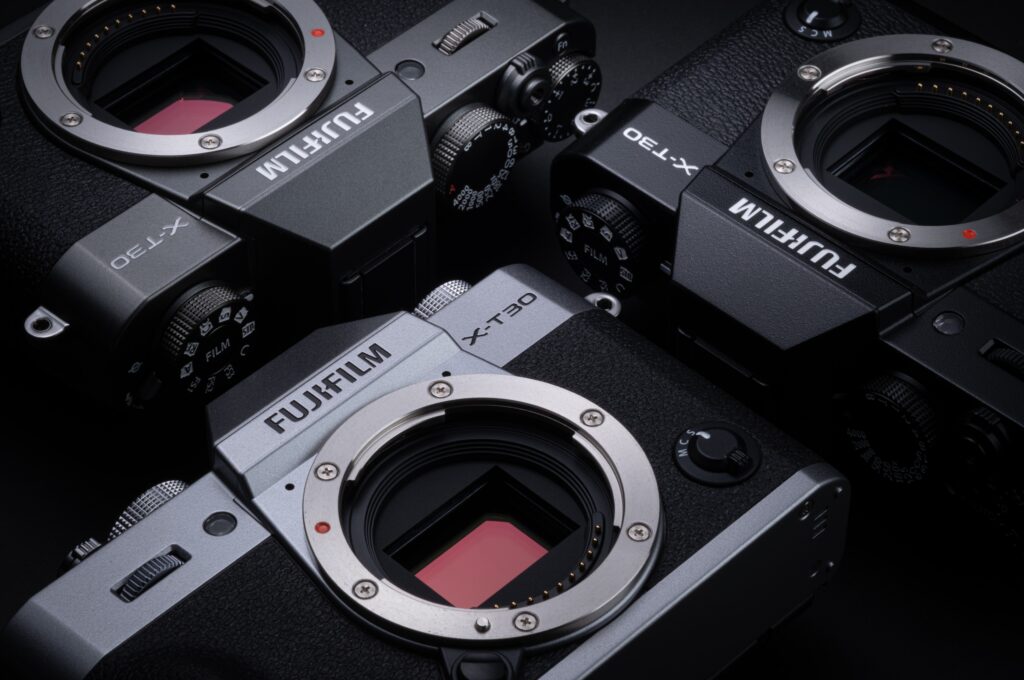
Fujifilm has officially introduced the X-T30 III, an updated version of its popular midrange mirrorless camera that blends film-inspired design with modern imaging technology. While it retains much of what photographers loved about the X-T30 II, the new model brings meaningful refinements in usability, performance, and creative flexibility.
A Camera for the Next Generation of Storytellers
“X-T30 III is for stills-inspired storytellers ready to make their next move – leveling up beyond their smartphones or earlier FUJIFILM X Series gear and into a more intentional image-making process,” said Victor Ha, Vice President of FUJIFILM North America Corporation, Electronic Imaging and Optical Devices Divisions.
He added that the X-T30 III “combines a compact form factor and traditional design with modern innovations like AI autofocus, longer battery life, and one-button simplicity for ease of use in everyday situations.”
The addition of a Film Simulation dial also encourages photographers to explore Fujifilm’s renowned color science and film-inspired looks straight out of camera, while support for interchangeable lenses provides room for creative growth.
Upgraded Sensor and Processor
At the core of the X-T30 III is the familiar 26.1-megapixel APS-C X-Trans BSI CMOS 4 sensor, now paired with Fujifilm’s latest X-Processor 5 engine. The upgrade delivers improved power efficiency and longer battery life — up to 425 frames per charge.
Autofocus performance has also taken a leap forward. The camera now features AI-driven subject detection, capable of recognizing and tracking faces, eyes, animals, birds, cars, motorcycles, bicycles, airplanes, trains, insects, and even drones.
A New Dial for Film Simulation
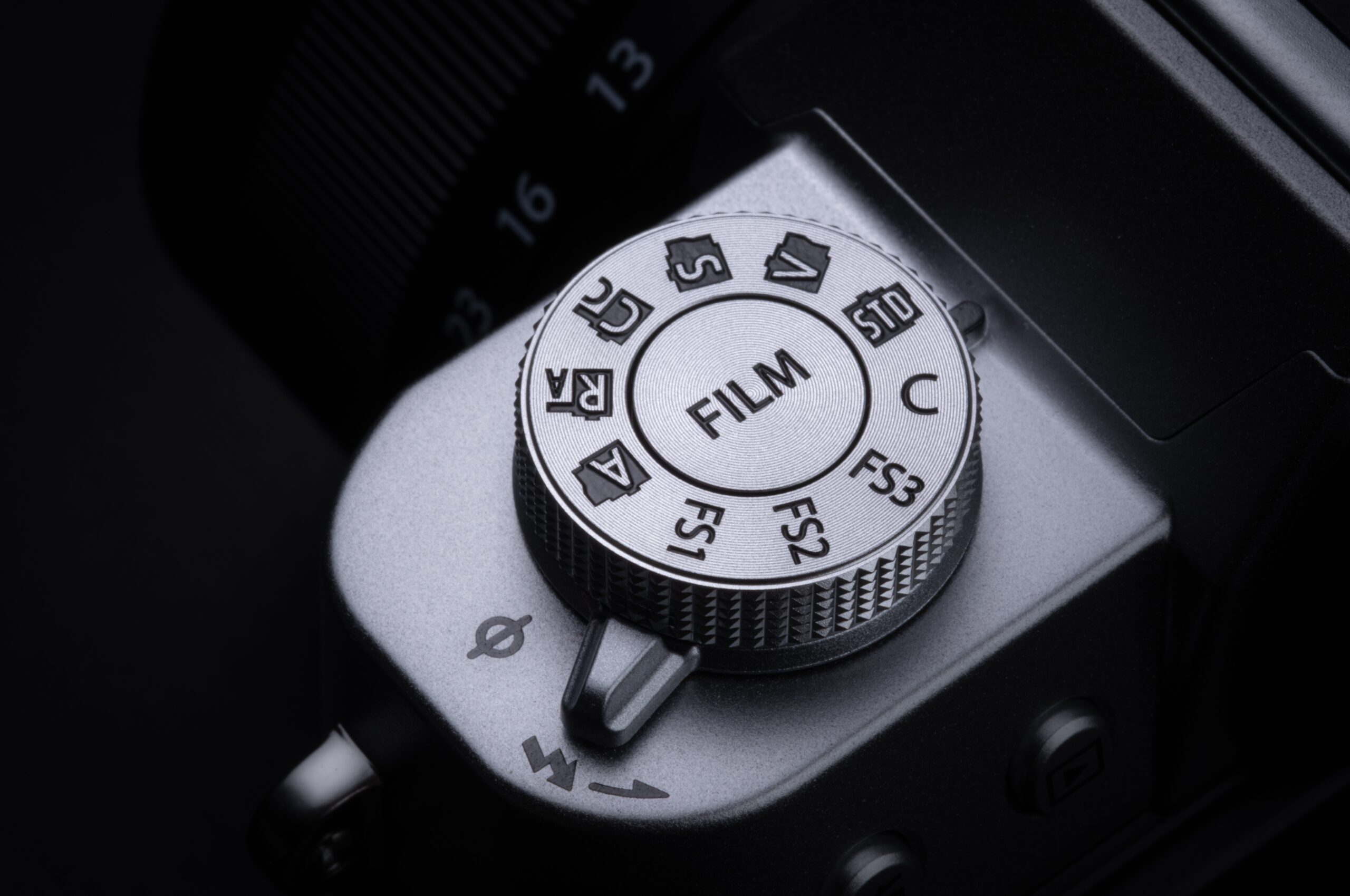
Film Simulation dial replaces the Drive Mode dial on the XT-30 III.
One of the most noticeable physical changes is the replacement of the Drive Mode dial with a dedicated Film Simulation dial, while the Drive Mode selection has been moved to a button on the rear of the camera.
According to Fujifilm, this decision was driven by user behavior — X-T30 owners tend to adjust Film Simulations more frequently than Drive Modes. The X-T30 III now offers 20 film simulations, including REALA ACE and NOSTALGIC Neg, with three customizable positions for quick access to favorite recipes.
Compact Design With Thoughtful Details
A new Auto Mode switch on the top plate allows beginners to let the camera handle focus and exposure automatically, while the built-in flash adjusts its output for balanced results in backlit or low-light scenes.
The central viewfinder sits directly above the lens axis, providing a more natural framing experience reminiscent of classic film cameras. Meanwhile, the 1.62-million-dot tilting rear LCD makes it easy to compose shots from high or low angles — perfect for travel, street, and landscape photography.
Despite the upgrades, the camera remains compact and lightweight at 118.4 x 82.8 x 46.8 mm and 378 grams, identical to its predecessor. It also supports wireless connection to Instax Link smartphone printers, enabling direct printing across Instax mini, SQUARE, and WIDE formats without needing an app.
Though positioned as a stills-focused model, the X-T30 III is still a capable hybrid camera. It can record 6.2K/30p 10-bit video internally and also supports 4K/60p and 1080/240p slow-motion recording — similar to what’s found in the newer X-M5.
Pricing and Availability
The Fujifilm X-T30 III will be available in late November 2025 at an MSRP of $999.95 USD (body only). A kit version paired with the newly announced XC 13–33mm f/3.5–6.3 OIS lens will arrive in mid-December 2025 for $1,149.95 USD — keeping pricing consistent with the X-T30 II. The camera comes in Silver, Black, and Charcoal Silver colorways.
The XT-30 III is now available for pre-order from major retailers like B&H Photo.